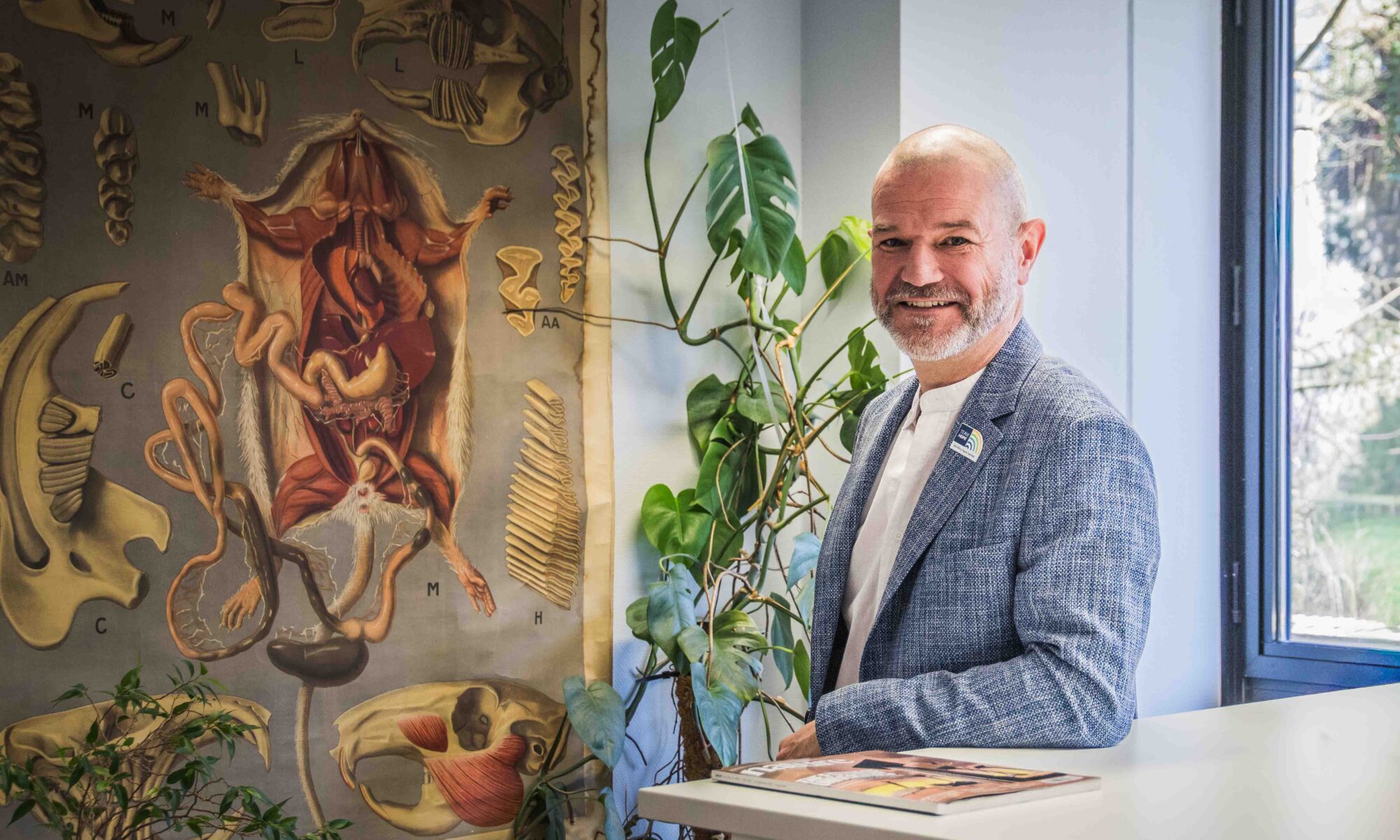
Scientists at the University of Antwerp and KU Leuven have shown that blocking ferroptosis, a specific form of cell death, can better protect donor organs during transplantation. ‘We developed FXT-001, a small molecule that protects organs against ischemia–reperfusion injury, one of the main causes of early transplant failure,’ says Professor Tom Vanden Berghe.
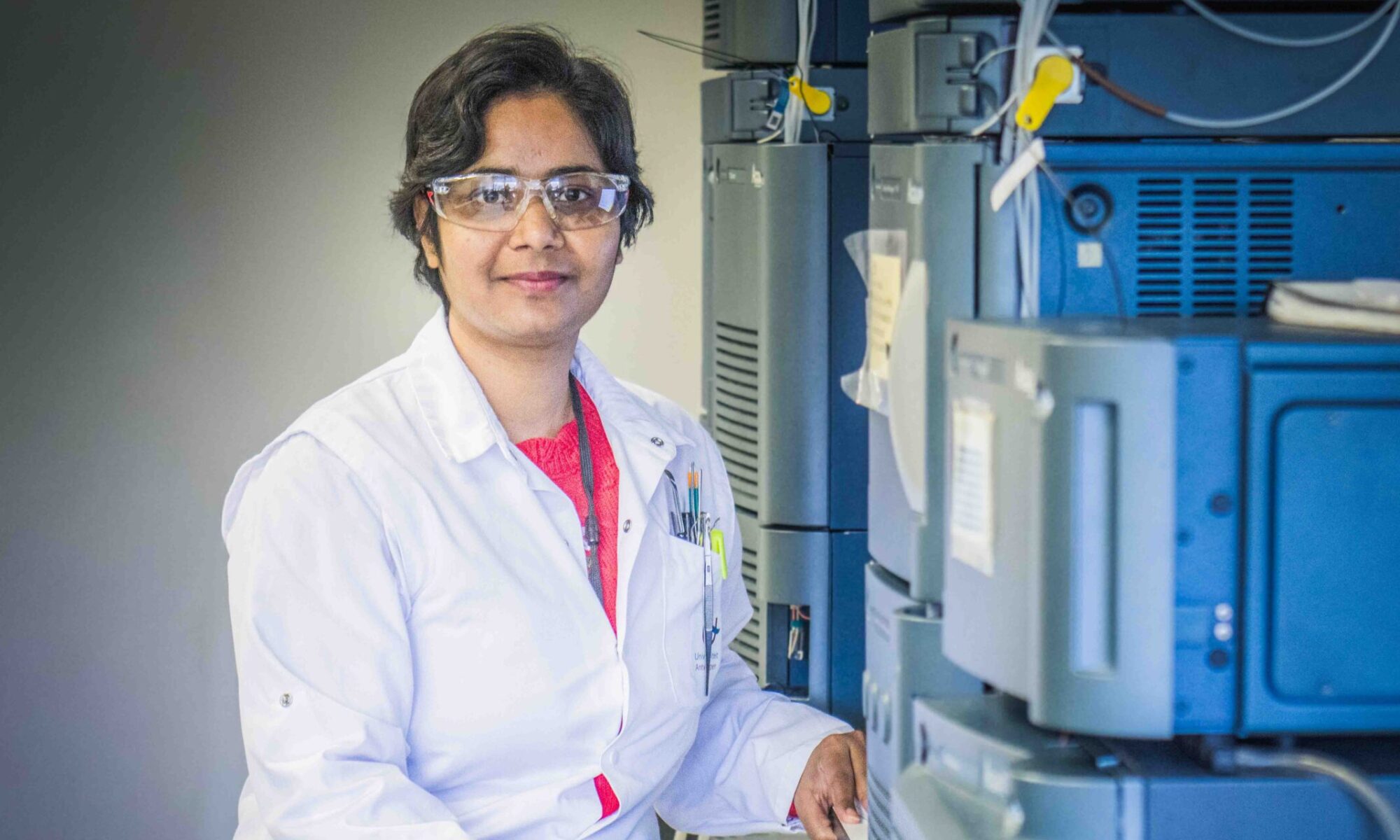
Dr. Tuhina Khan’s journey from a small village in rural India to cutting-edge research in Belgium is as inspiring as her work. At the lab of Prof. Pieter Van der Veken of the University of Antwerp, she focuses on targeted therapies for glioblastoma, designing molecules that can cross the blood-brain barrier to improve treatment options for this aggressive cancer.
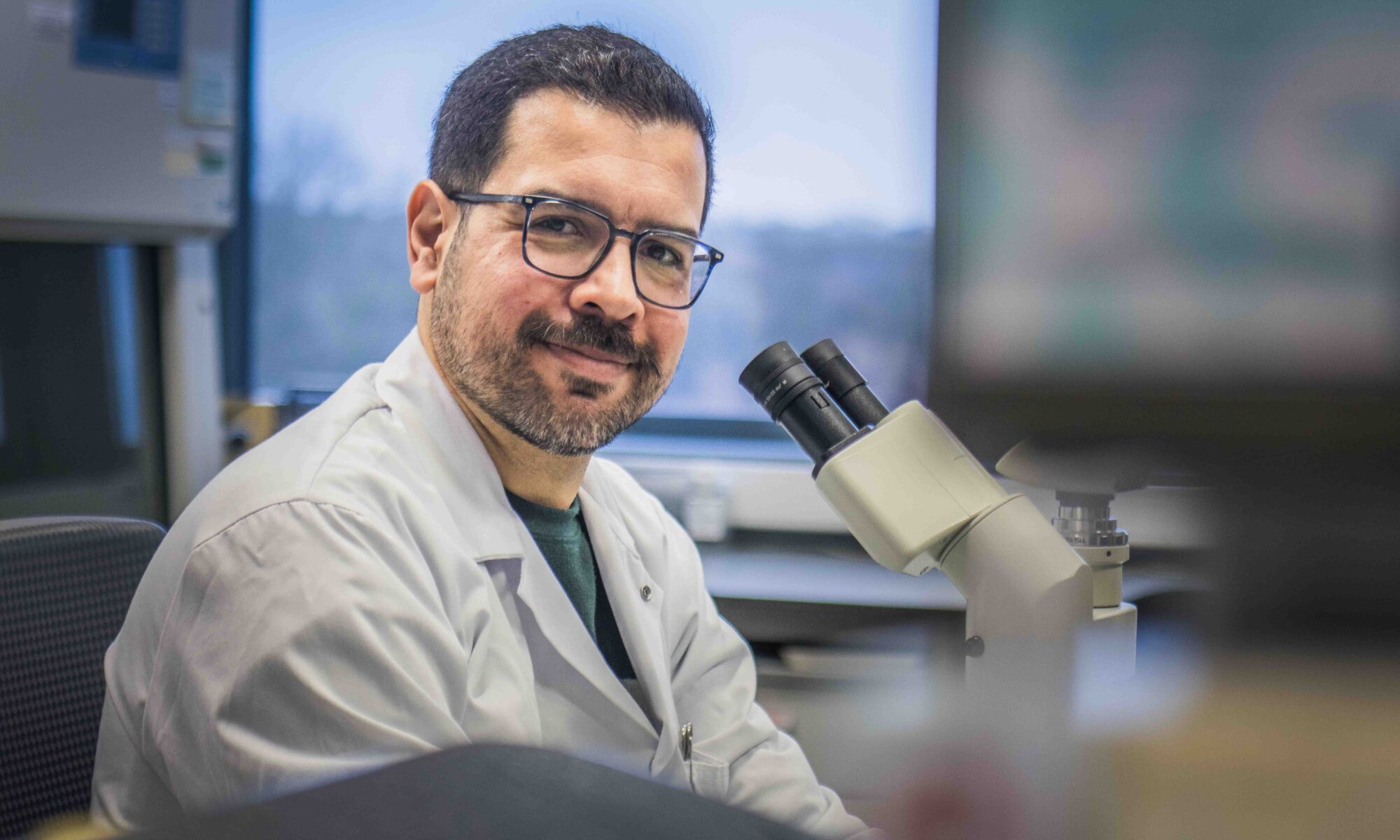
After completing his PhD at the Laboratory of Microbiology, Parasitology and Hygiene at the University of Antwerp he started as a post-doctoral researcher. Kayhan talks about his work on animal trypanosomiasis, his academic journey from Iran to Belgium and his experience of living and working in a new country.
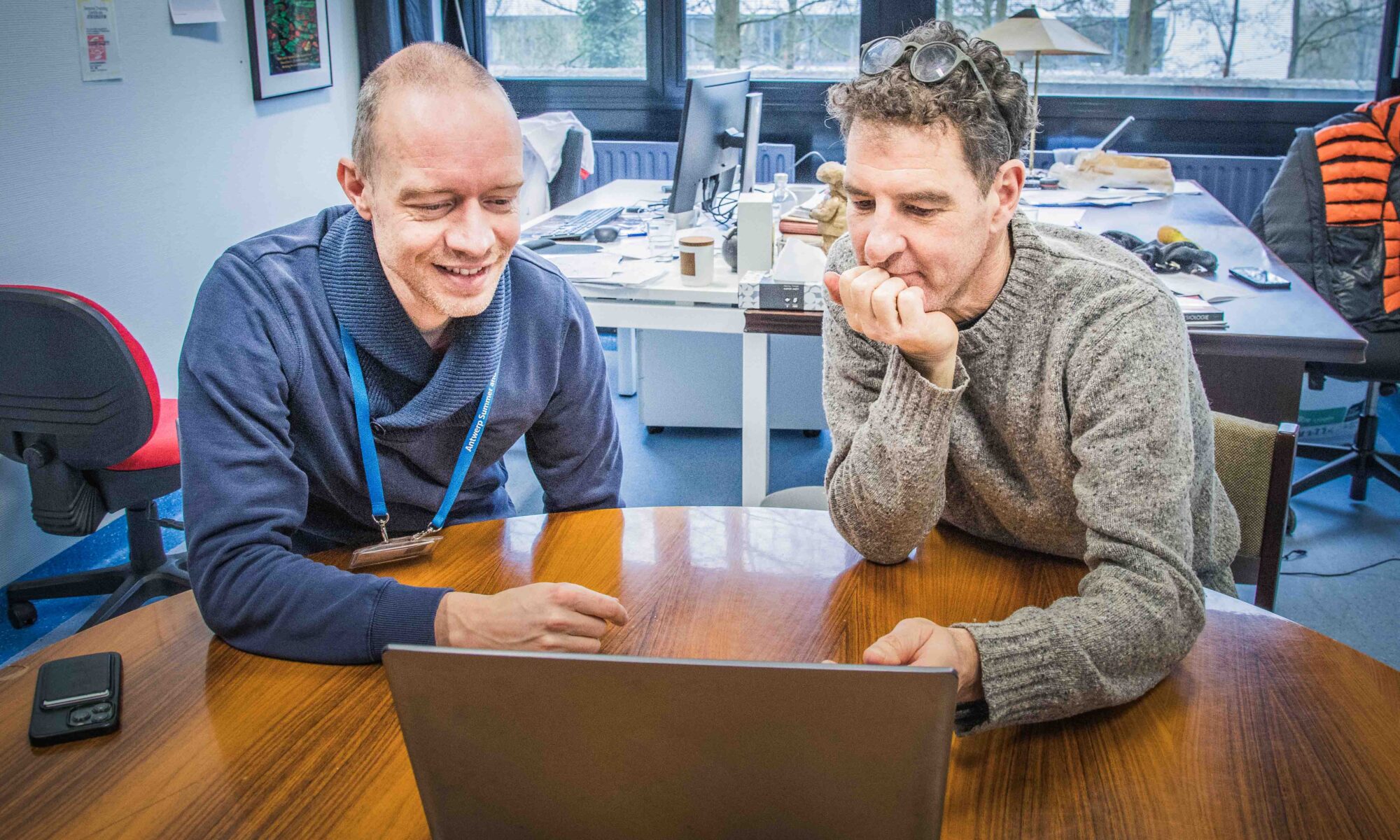
Dagelijks krijgen 46 Belgen de diagnose chronisch hartfalen. Wetenschappers breken zich al jaren het hoofd over nieuwe behandelingen tegen de ziekte. Onderzoekers van de Universiteit Antwerpen, samen met collega’s uit Gent, Leuven en Leiden, hebben nu voor een doorbraak gezorgd.
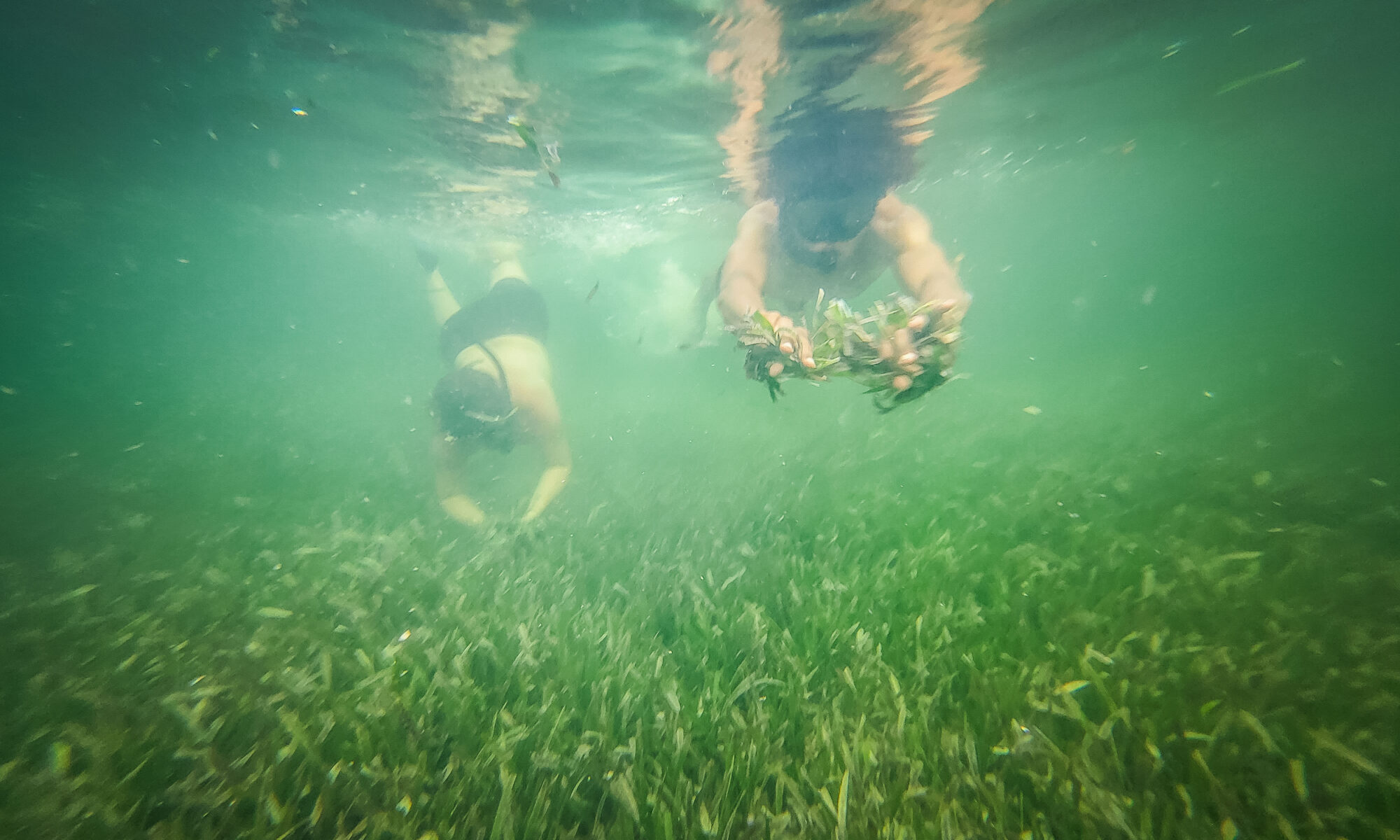
Seas and oceans harbor countless undiscovered treasures. One of these is the seagrass Thalassia, specifically the species Thalassia testudinum. Long recognized for its ecological importance, this marine plant serves as a vital food source for creatures like sea turtles and plays a key role in protecting vulnerable Caribbean coastal ecosystems. Recently, scientists have discovered that Thalassia contains significant anti-carcinogenic compounds, capturing the attention of researchers and marine science biomedical institutes.
Recent research by Prof. Guy Caljon and Dr. Laura Dirkx found that Leishmania parasites can enter a dormant state in bone marrow stem cells, making them resistant to drugs. This highlights the need for new treatments to target this phase and improve leishmaniasis management.
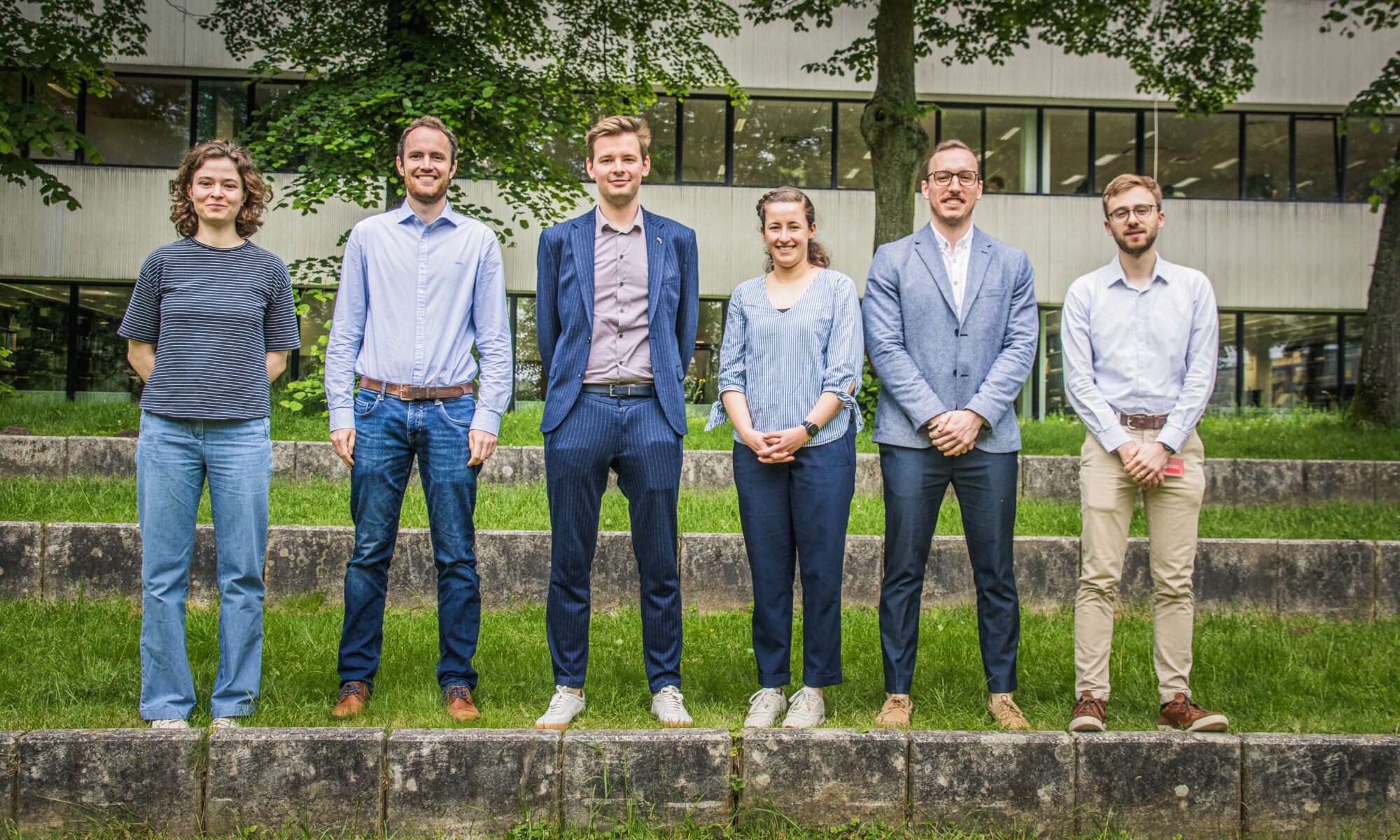
The Department of Pharmaceutical Sciences recently showcased the innovative research of its Ph.D. students during their annual departmental research day. This event highlighted a diverse array of projects, reflecting the department’s commitment to advancing scientific knowledge and improving public health.
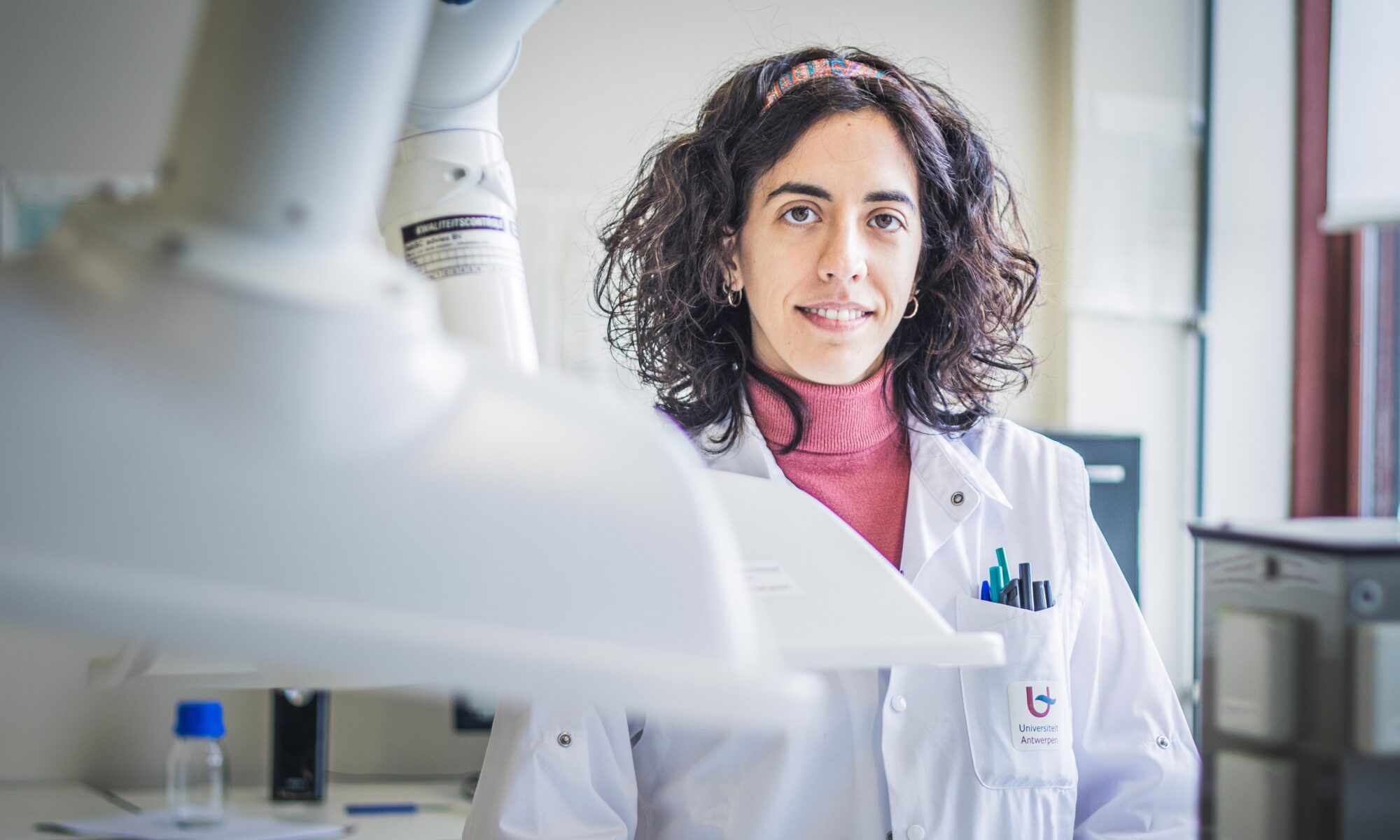
Dr. Vanesa Nozal García, from Valladolid in Spain, works as a postdoctoral researcher at the University of Antwerp. Under supervision of Professor Pieter Van Der Veken in the Laboratory of Medicinal Chemistry, she researches Acute Myeloid Leukemia (AML) and focusses on a new methodology: targeted protein degradation.
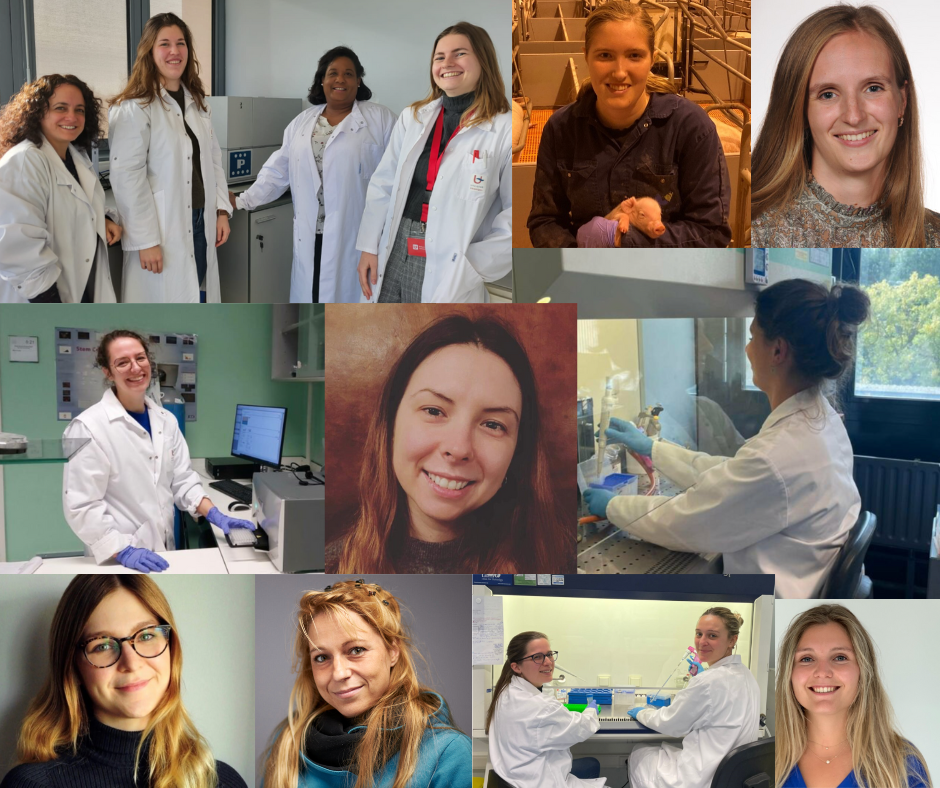
In recognition of the need for gender equality and empowering women and girls in science, the United Nations General Assembly proclaimed 11th February as the International Day of Women and Girls in Science. On this special occasion, let us celebrate the achievements and contributions of some of the remarkable women scientists in our faculty!
My name is Dr. Leen Vendredy and I recently obtained my PhD in Biotechnology and Biochemistry. My research focused on neuromuscular diseases caused by mutations in the small heat shock protein HSPB8. My goal was to better understand the underlying mechanisms of these diseases and to identify potential therapeutic approaches. My PhD supervisor was Prof. Vincent Timmerman from the Peripheral Neuropathies group.
I’m Greta Klejborowska and I’m a Postdoctoral Research Fellow in the Medicinal Chemistry Research Group, led by Prof. Koen Augustyns. My research is focused on the development of novel ferroptosis inhibitors. But what exactly is ferroptosis and why is it important to block or inhibit it?
I’m Lorenzo Cianni and my research focuses on targeting autophagy in cardiovascular and metabolic diseases. I was awarded a Marie Skłodowska-Curie Actions (MSCA) Postdoctoral grant for this specific project. I’ll be working with Prof. Pieter Van Der Veken and Prof. Wim Martinet to tackle tissue-specific induction of autophagy as an innovative therapeutic strategy for cardiovascular and metabolic diseases.