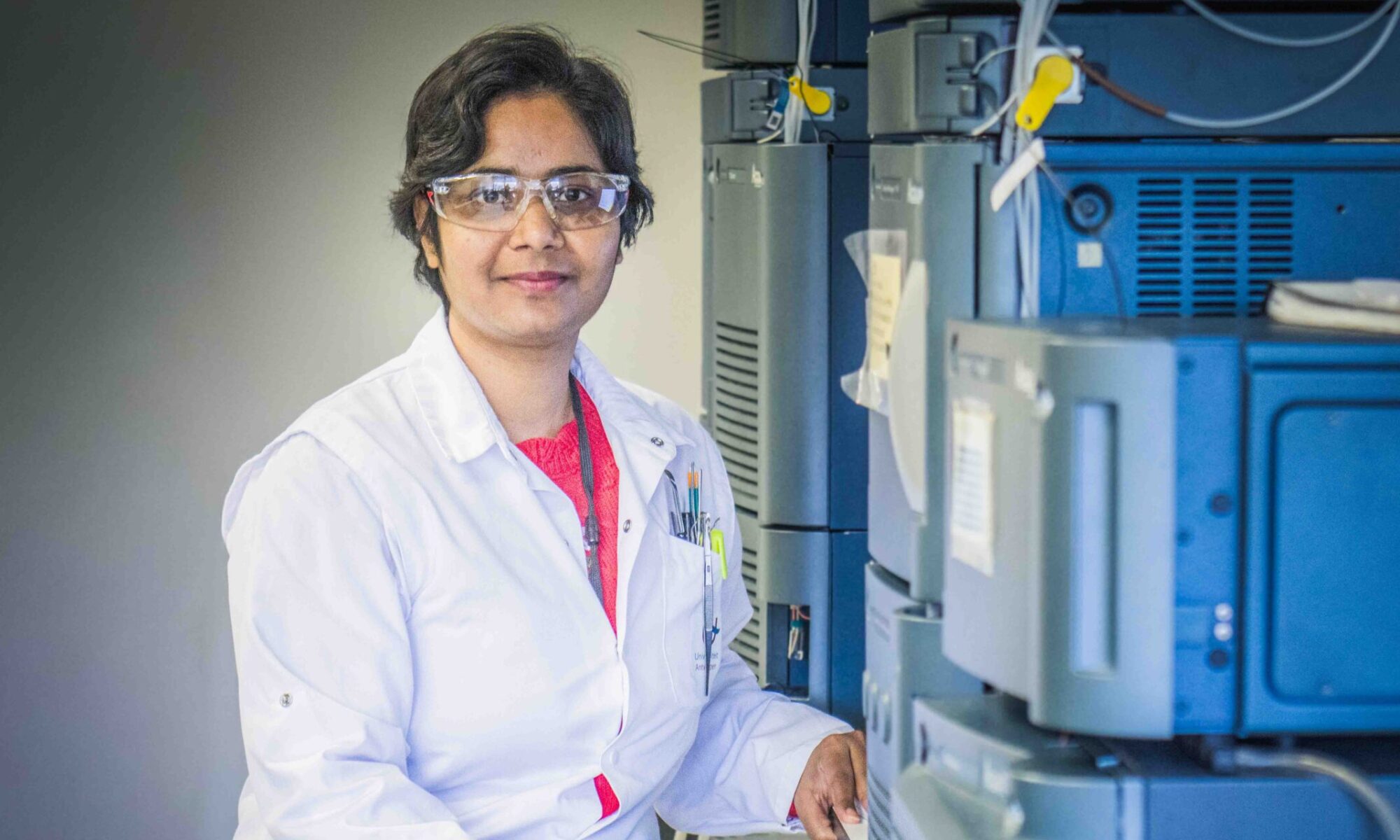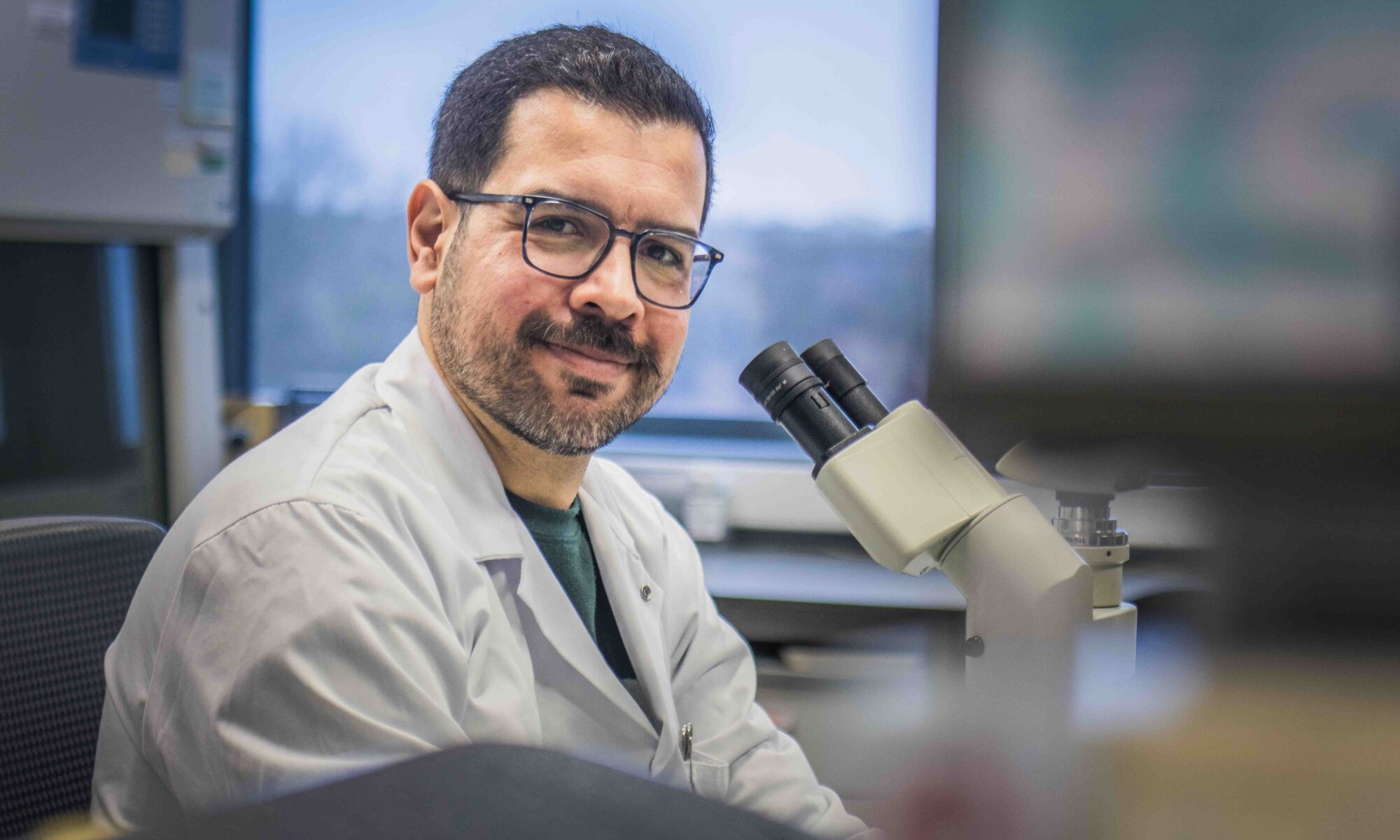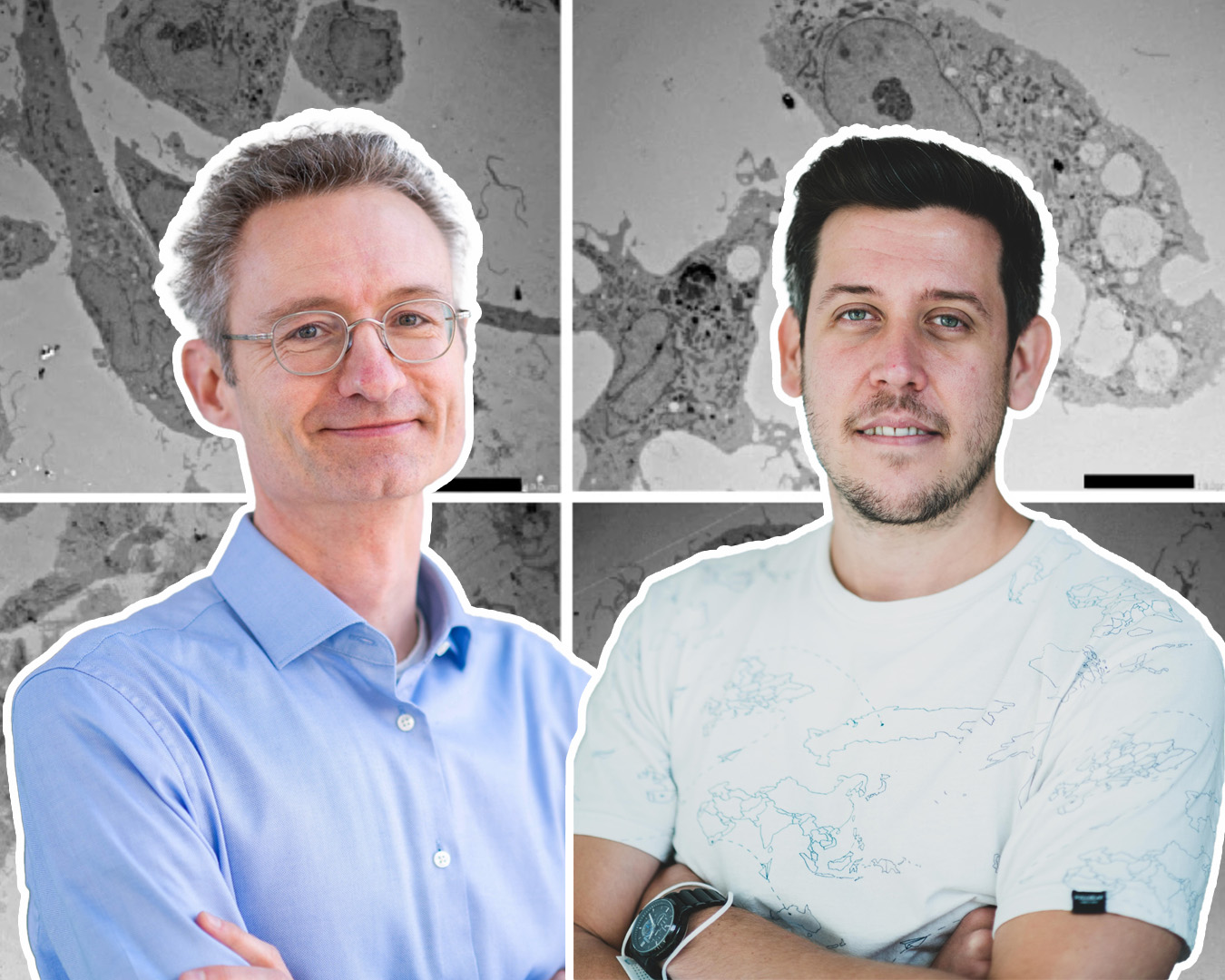
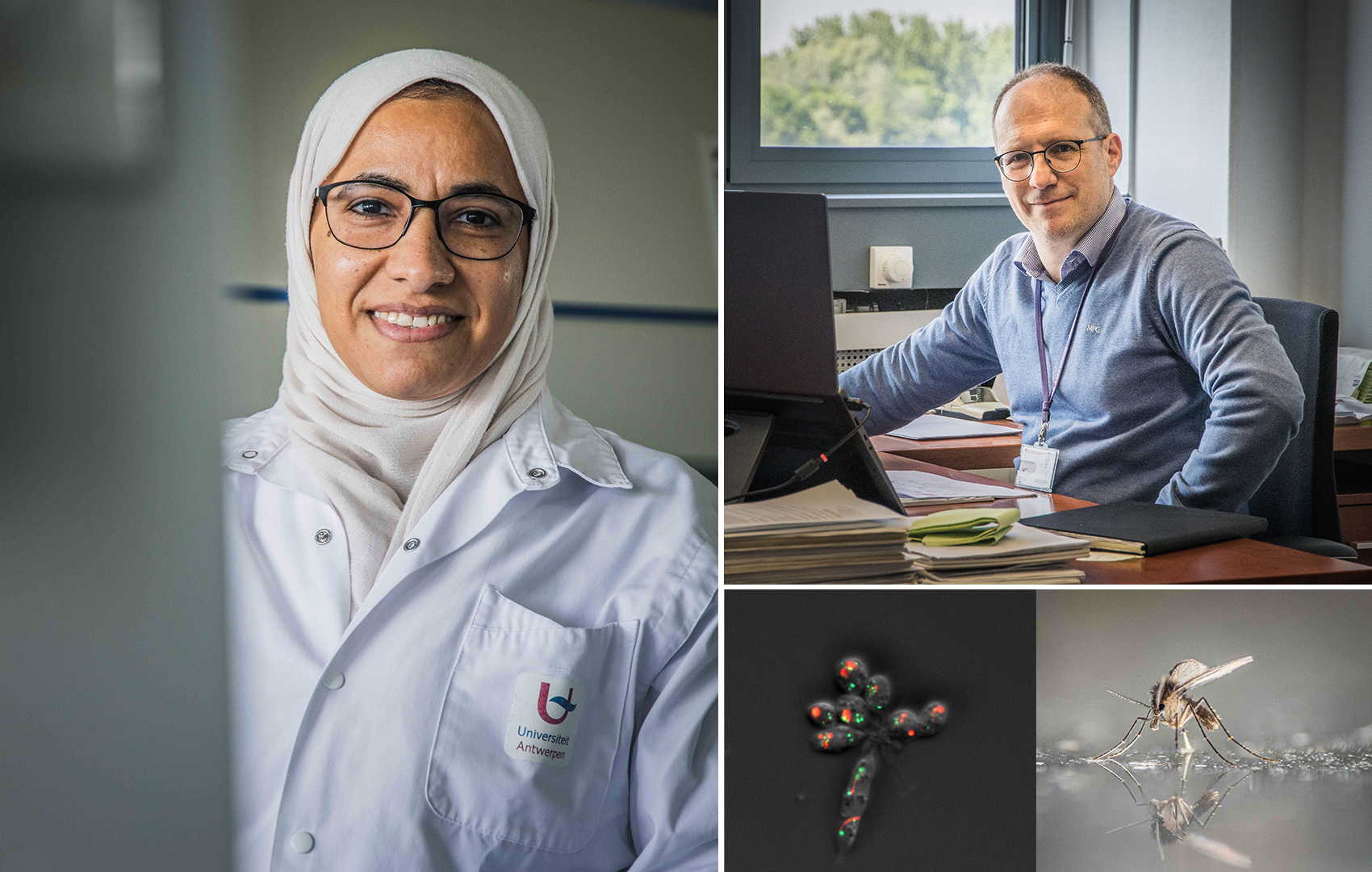
Leishmaniasis is a disease caused by Leishmania parasites, transmitted through the bites of infected sand flies. It can affect internal organs, such as the spleen, liver and bone marrow (visceral leishmaniasis), or the skin and mucous membranes (cutaneous and mucosal leishmaniasis). ‘With no human vaccine available, the search for safer, more effective treatments remains essential’, says postdoctoral researcher Rokaya Ahmed. ‘In this study we investigated how promising new compounds, aminopyrazoles, act against the parasite.’ At the Laboratory for Microbiology, Parasitology and Hygiene, Rokaya works under the supervision of Professor Guy Caljon as part of the Parasitology team.
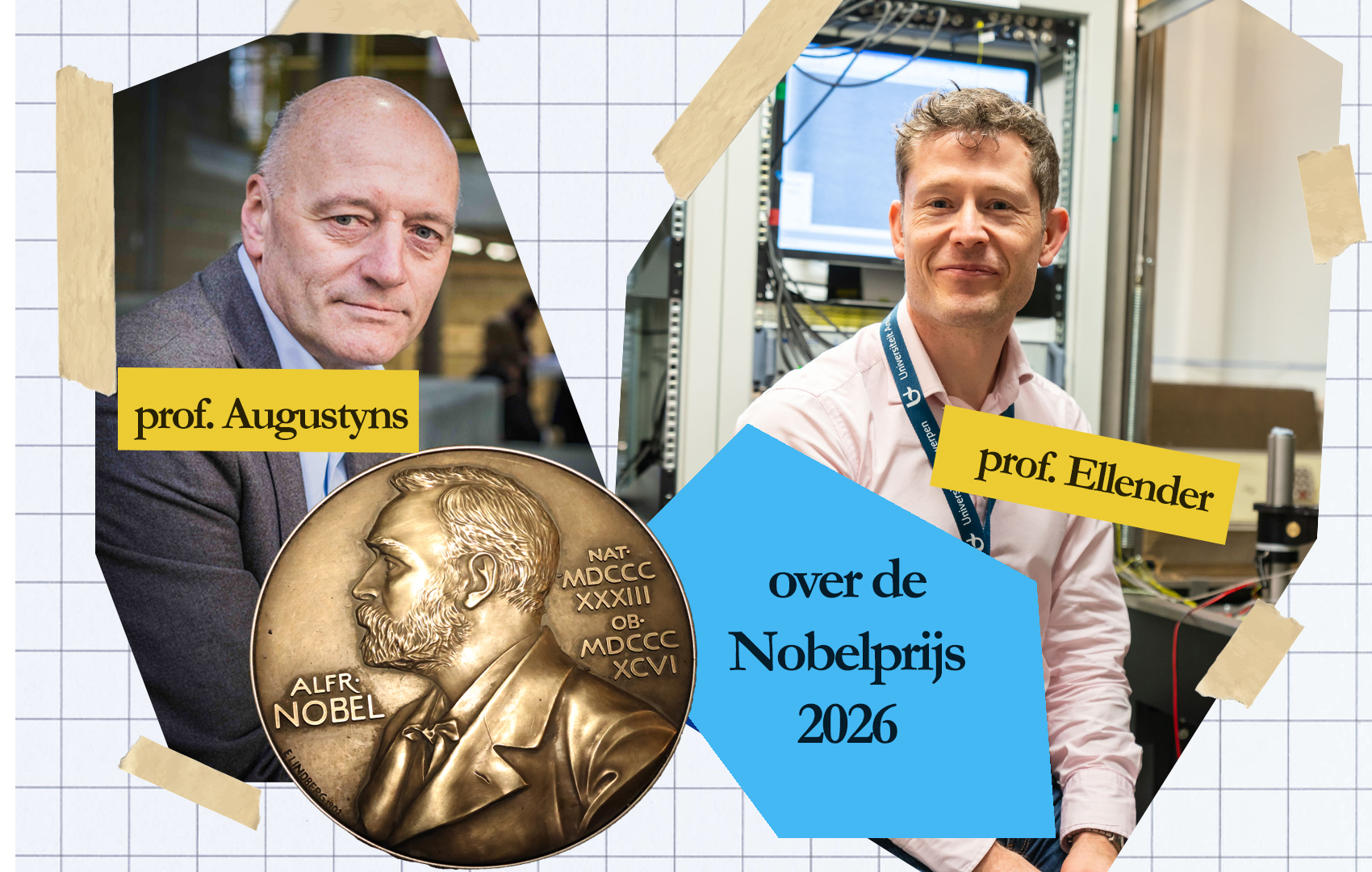
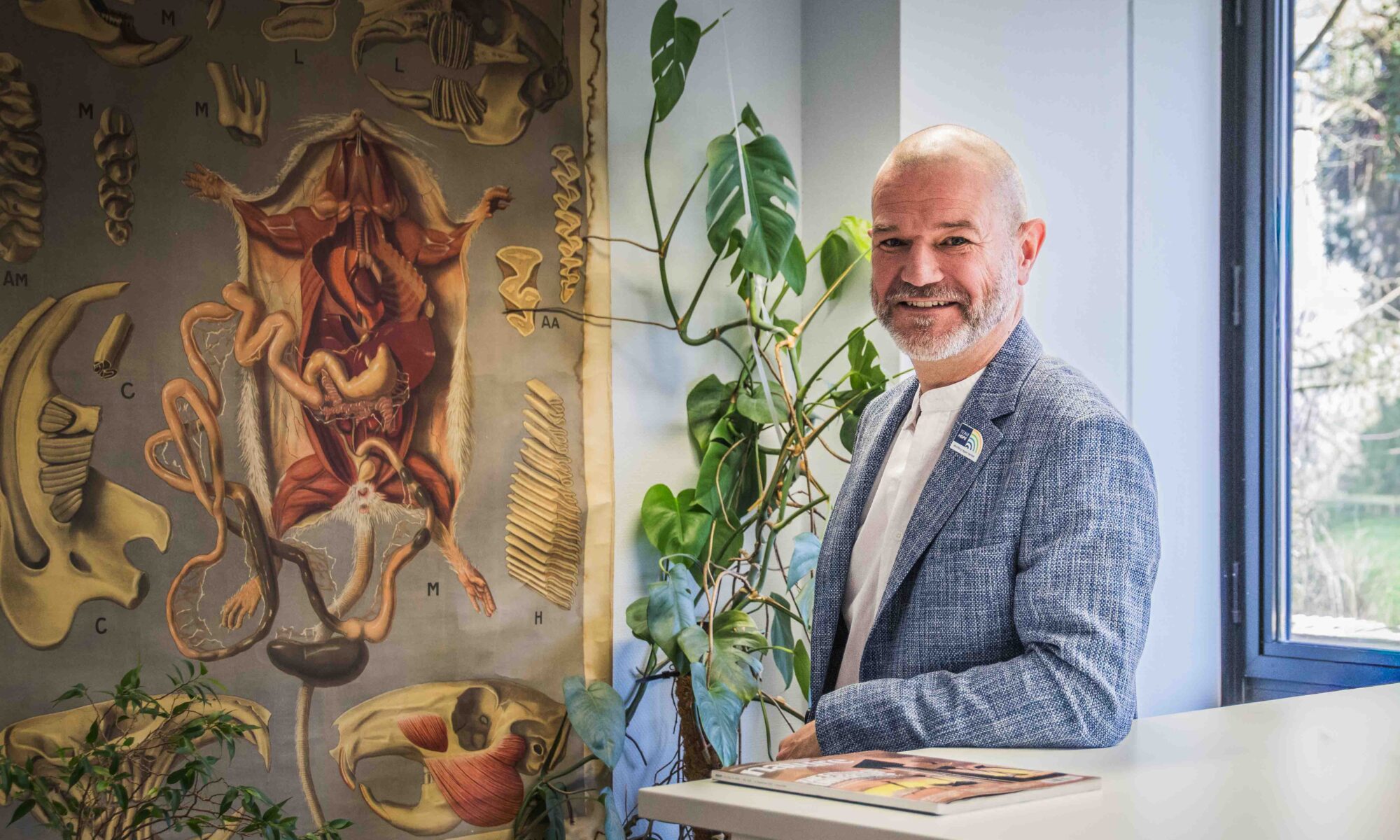
Vorige week was het Nobelprijsweek: de jaarlijkse hoogmis voor iedereen die iets met wetenschappen heeft. Zoals steeds zaten ook wij dit jaar op het puntje van onze stoel te kijken naar de bekendmaking van de laureaten. En jawel hoor, zowel de Nobelprijs voor Geneeskunde als de Nobelprijs voor Scheikunde 2026 vallen binnen de onderzoeksdomeinen van onze faculteit. Tijd dus om onze proffen om een woordje uitleg te vragen.

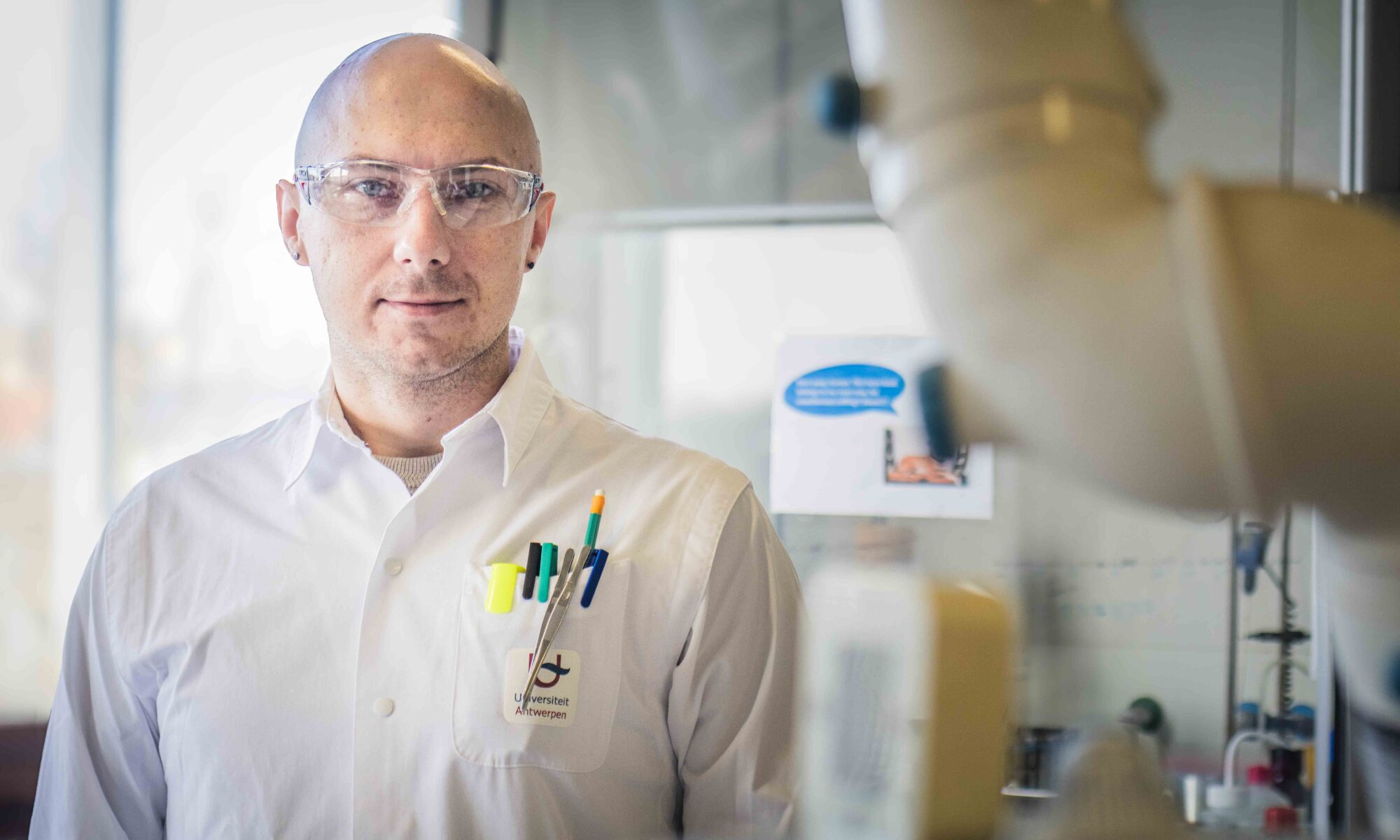
In the specialized field of medicinal chemistry, the search for precision in cancer therapy is a constant pursuit. At the Medicinal Chemistry Group of the University of Antwerp, MSCA Postdoctoral Fellow Dr. Adrian Fabisiak is leading this charge through his project, PyroVector, which seeks to transform how we treat Acute Myeloid Leukemia (AML). We sat down with Adrian to discuss his journey from Warsaw to Antwerp and take a deep dive into his research.

Scientists at the University of Antwerp and KU Leuven have shown that blocking ferroptosis, a specific form of cell death, can better protect donor organs during transplantation. ‘We developed FXT-001, a small molecule that protects organs against ischemia–reperfusion injury, one of the main causes of early transplant failure,’ says Professor Tom Vanden Berghe.

Dr. Tuhina Khan’s journey from a small village in rural India to cutting-edge research in Belgium is as inspiring as her work. At the lab of Prof. Pieter Van der Veken of the University of Antwerp, she focuses on targeted therapies for glioblastoma, designing molecules that can cross the blood-brain barrier to improve treatment options for this aggressive cancer.

Valentine’s Day 2026. A love letter to science.
Our love reaches beyond the two of us. It lives in classrooms and laboratories, in busy congress halls and quiet nights, in universities, cafés, and student rooms. Carried across generations and from within our society; for the future.

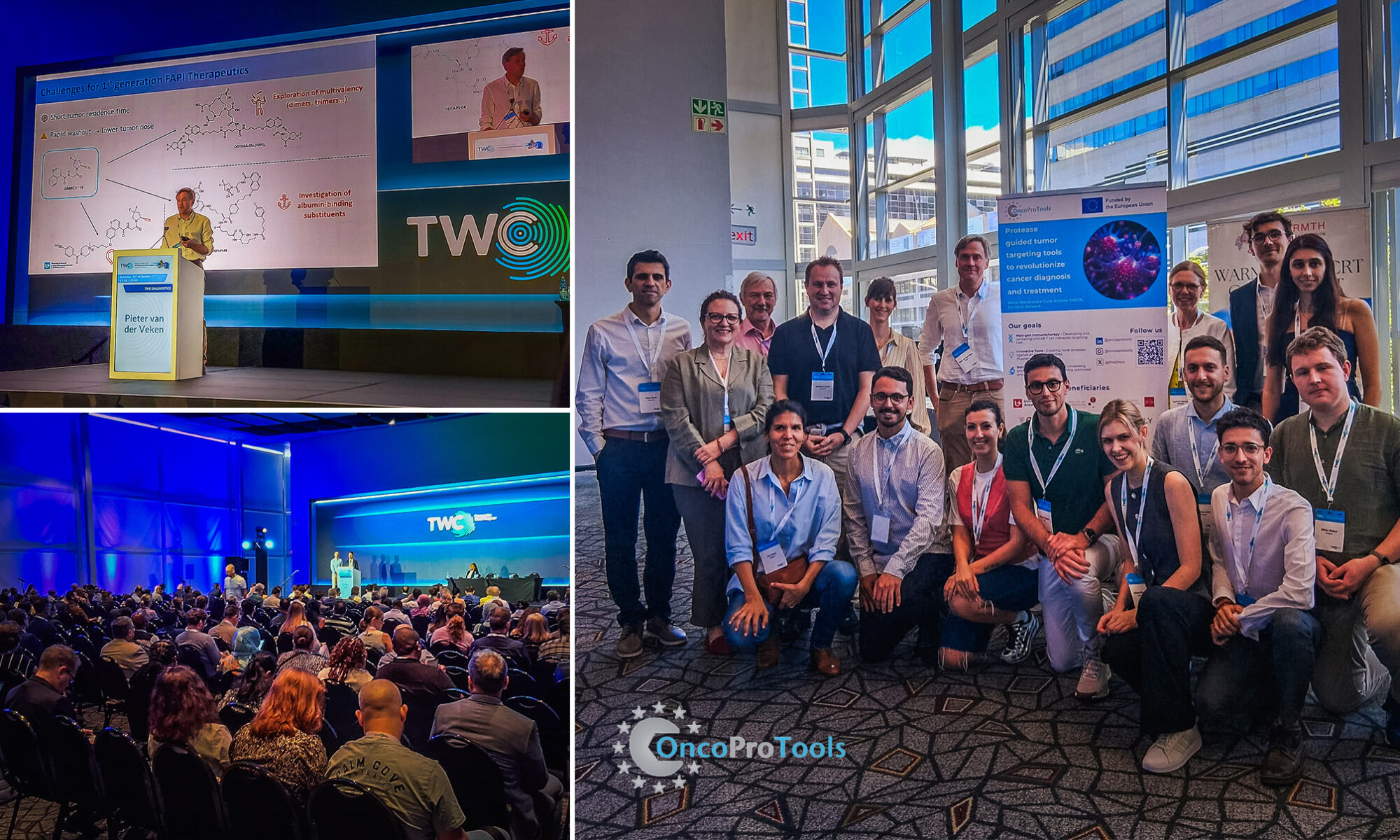
This year the 8th Theranostics World Congress (TWC2026) was held in Cape Town, South Africa. The global scientific community gathered to reflect on advancing cancer diagnosis and therapy. The congress offered an excellent platform to share the result of the OncoProTools Doctoral Network, coordinated by the University of Antwerp.

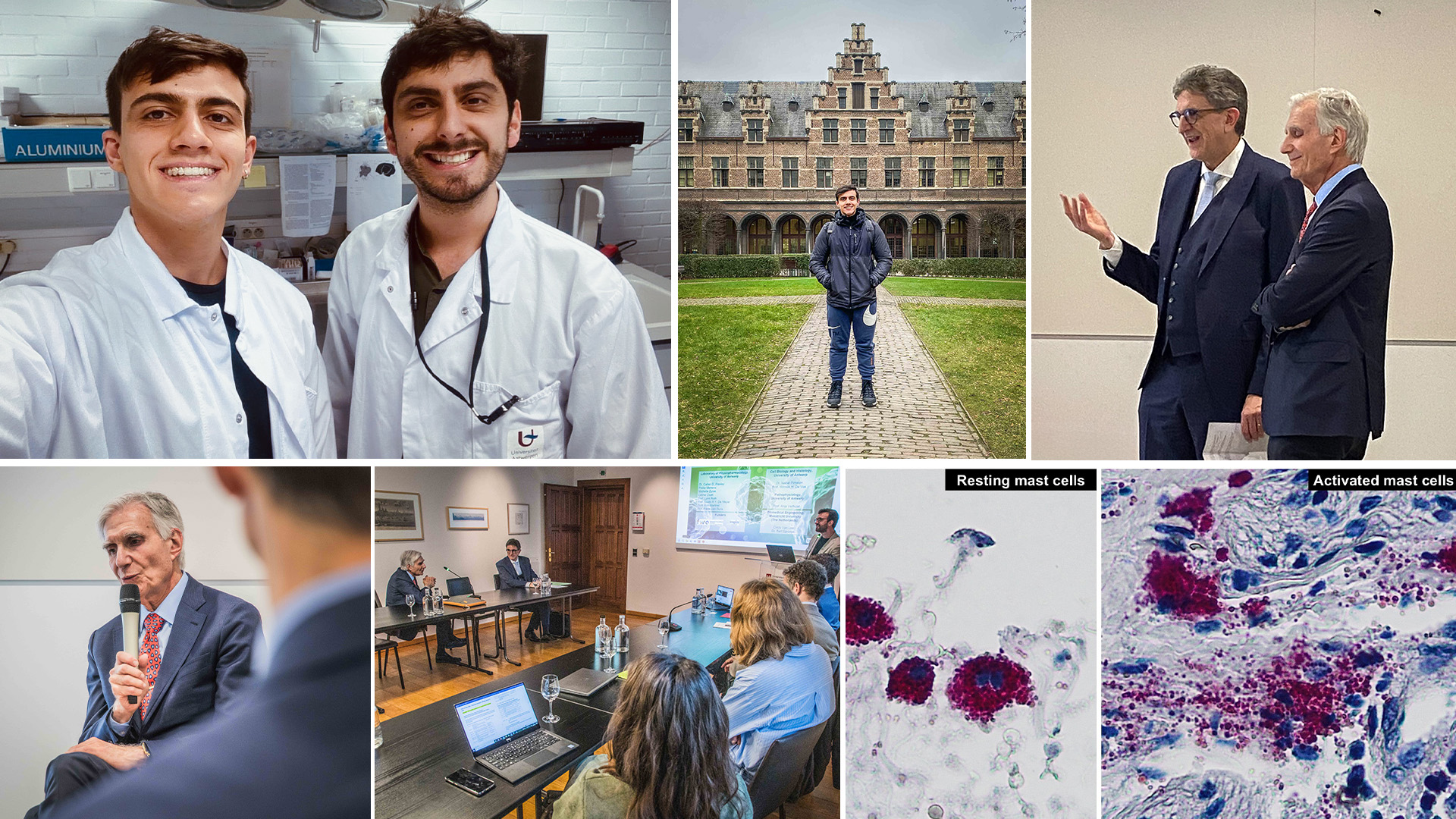
Scientific research thrives on the exchange of ideas across the world, it should not be confined to the laboratories of a single institution. The University of Antwerp embraces this vision and strongly invests in international programs. A beautiful example of this mindset is the journey of Gabriel Bueno dos Santos, a medical student from São Paulo, Brazil.

After completing his PhD at the Laboratory of Microbiology, Parasitology and Hygiene at the University of Antwerp he started as a post-doctoral researcher. Kayhan talks about his work on animal trypanosomiasis, his academic journey from Iran to Belgium and his experience of living and working in a new country.

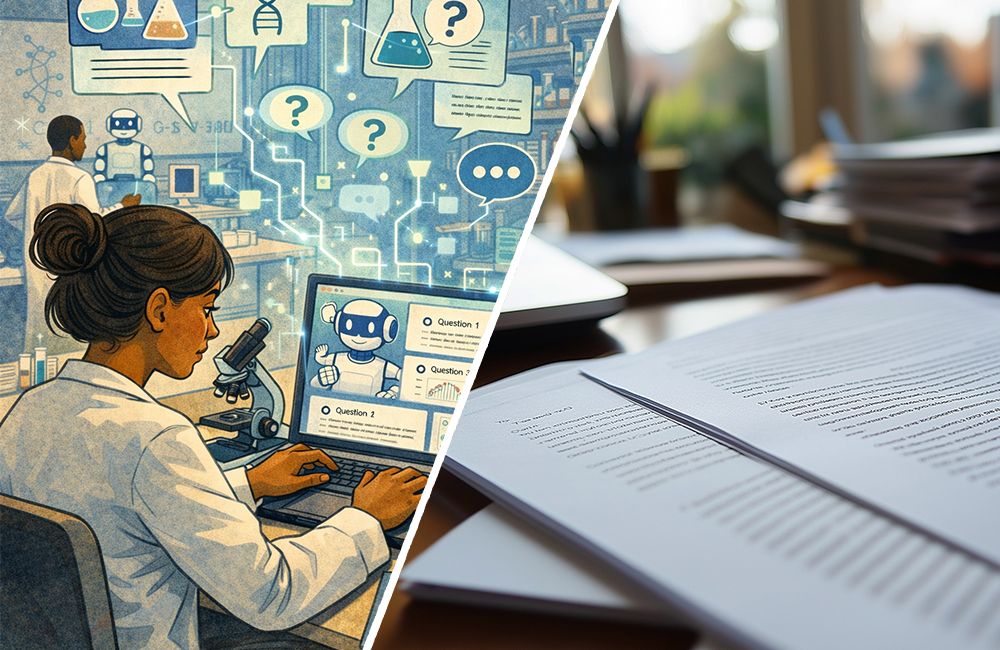
Kan je een wetenschappelijk probleem oplossen met alleen maar AI-tools, zonder dat je iets van het onderwerp afweet? Dat was het uitgangspunt van een experiment opgezet door de Faculteit Farmaceutische, Biomedische en Diergeneeskundige Wetenschappen en de Faculteit Geneeskunde en Gezondheidswetenschappen van de Universiteit Antwerpen. [ENGLISH BELOW]

During our annual Faculty Research Day, we highlight the research of our professors and PhD researchers. The Faculty Focus podcast was there as well to chat about their ongoing research.