

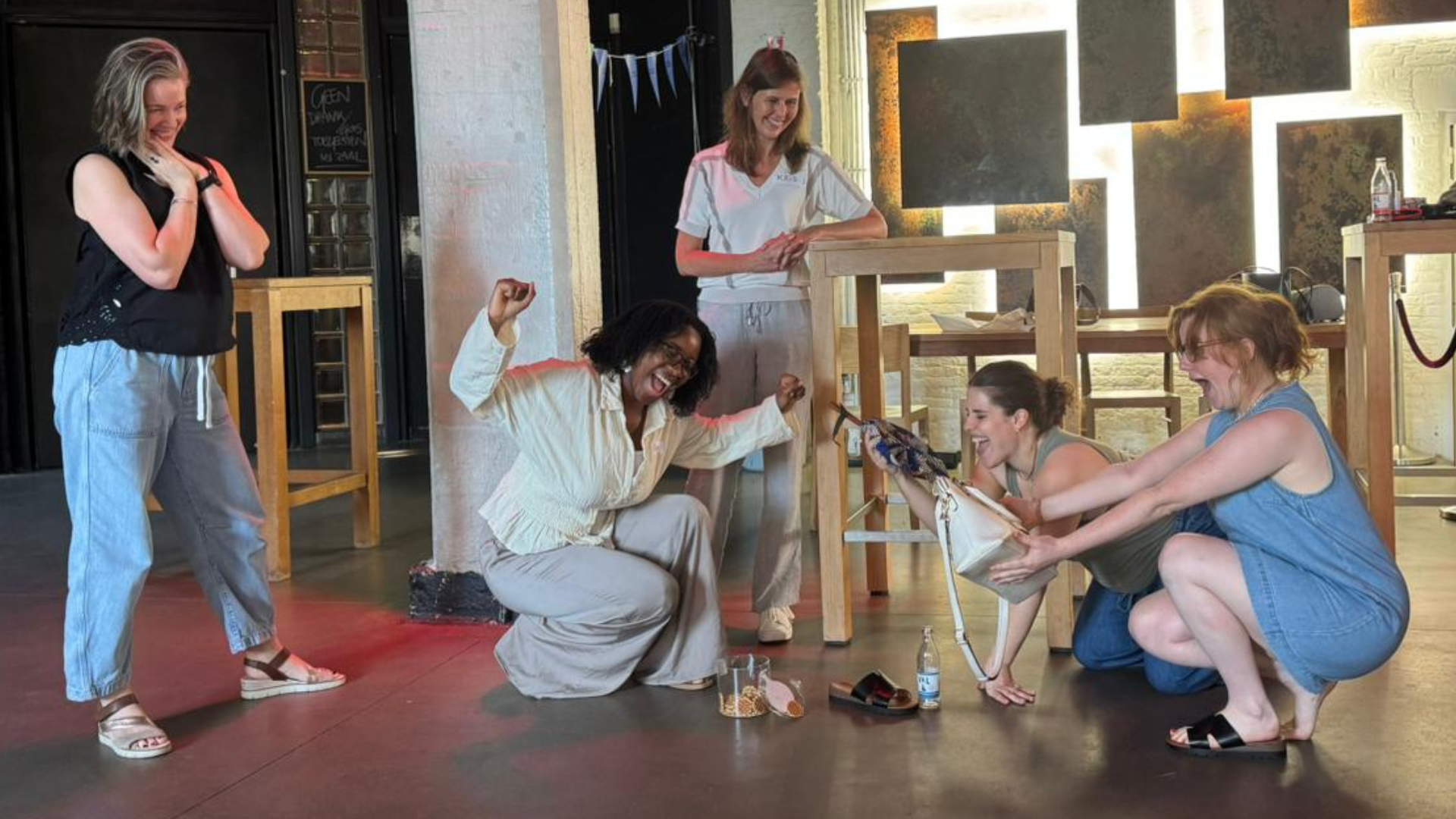
We increasingly work digitally: we communicate via Teams or chat and collaborate in shared documents. It’s efficient, but it also makes collaboration feel more distant. You know what your colleagues are working on, but less about who they are. The spontaneous chats disappear and it’s no longer a given you can put a face to a name. However, it’s precisely those informal connections that make the difference and create genuine connection.
Meeting in person isn’t about nostalgia, it’s an investment in collaboration. We spoke to a range of teams, from library staff and researchers to administrative teams. Everywhere, the message was the same: seeing each other pays off.
Why seeing each other really works
Collaboration is about more than just the work itself. It’s also about how people feel within a team: are they comfortable asking questions, do they talk to one another and do they feel involved?
Face-to-face moments strengthen exactly that aspect. ‘A team-building activity helps people be seen as individuals, not just as colleagues,’ says Professor Sarah Van de Velde (Centre for Population, Family and Health). ‘That creates makes collaboration easier.’ This became particularly clear during the COVID period. ‘At that time, it was difficult to maintain people’s engagement. Yet that is crucial, especially in teams where colleagues rely on one another to make progress.’
‘A team-building activity helps people be seen as individuals, not just as colleagues.’ – Professor Sarah Van de Velde
When colleagues meet outside work, they develop greater understanding of one another. They get to know each other’s backgrounds, sense of humour and sensitivities. Professor Sarah Van de Velde doesn’t believe in the traditional image of the researcher working alone behind a desk. ‘You need one another to grow stronger. A team-building activity helps strengthen that sense of belonging. It also creates shared memories, and those are often what hold a team together.’
The human aspect is equally important within SuPAR (Faculty of Applied Engineering). Professor Wim Van den Bergh puts it like this: ‘Invest in the person as well as the researcher. SuPAR is a close-knit group, not a collection of separate individuals.’
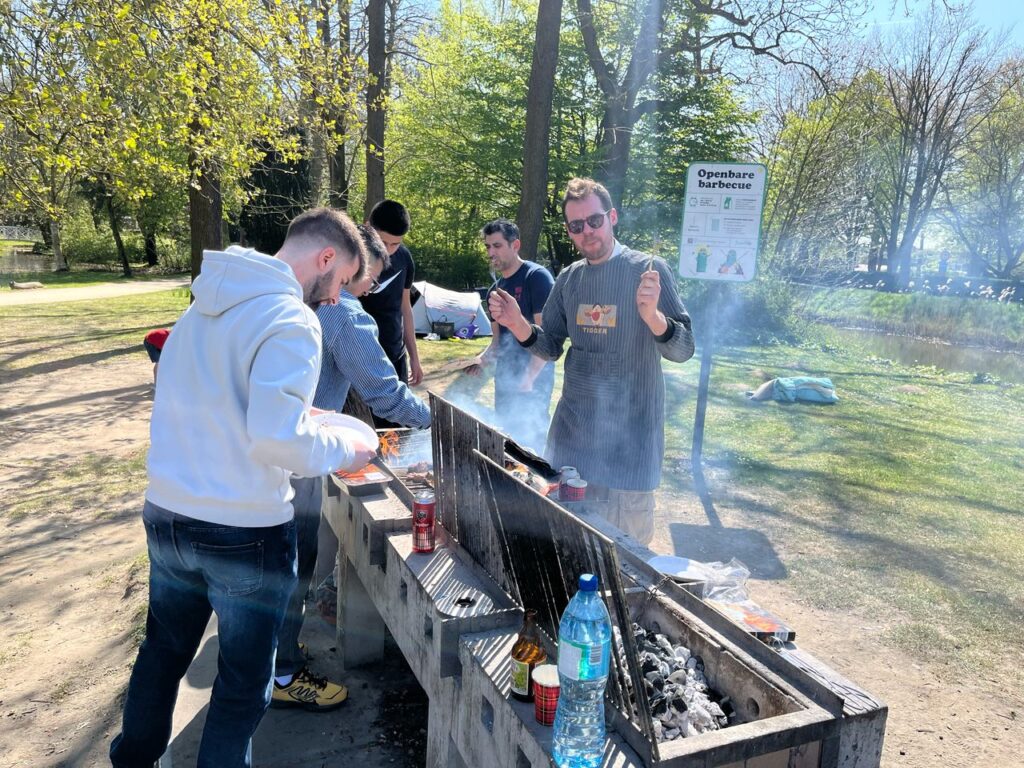
From online meetings to genuine connection
Digital communication often lacks spontaneity. ‘Face-to-face meetings are often more productive and leave more room for spontaneous interaction,’ says Professor Wim Van den Bergh.
The library notices the difference too. ‘We’re one department, but we work across different locations and services. Many colleagues hardly ever see each other,’ says Jennifer Van den Avijle (Department of Library & Archives). ‘A team day is therefore an important opportunity to get to know one another and lower the threshold for starting a conversation.’ There’s a clear idea behind the way the day is organised: ‘The morning focuses on work-related topics, while in the afternoon colleagues choose from a range of activities, from cooking and painting to litter picking. That way, everyone can take part in something they feel comfortable with.’
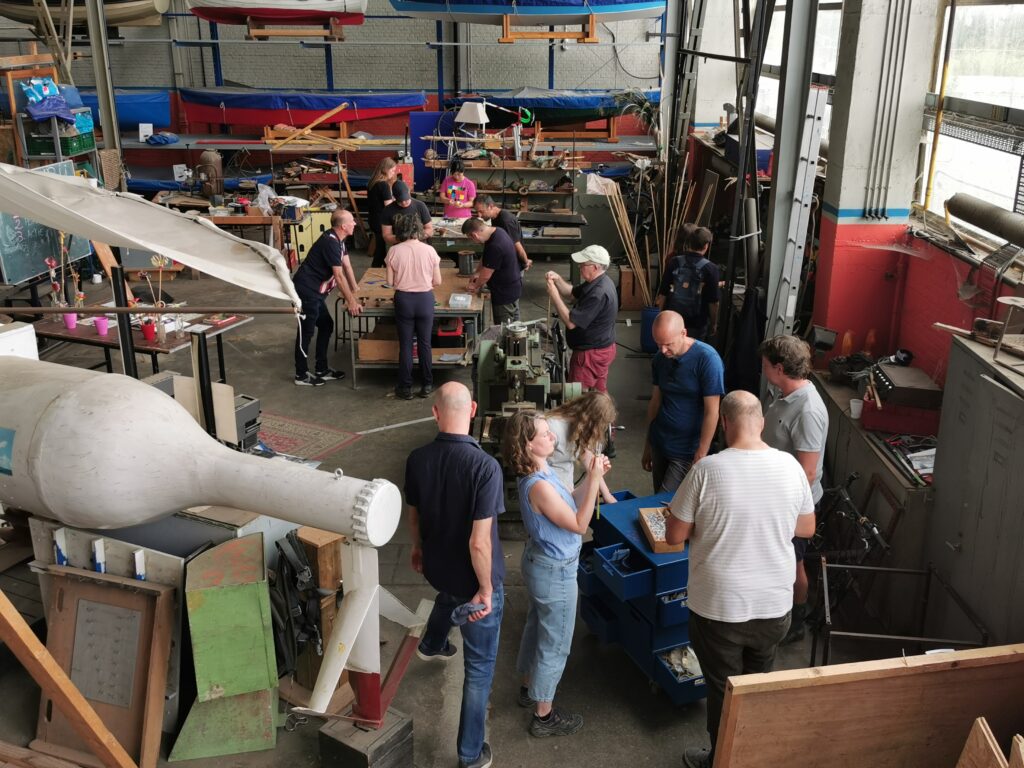
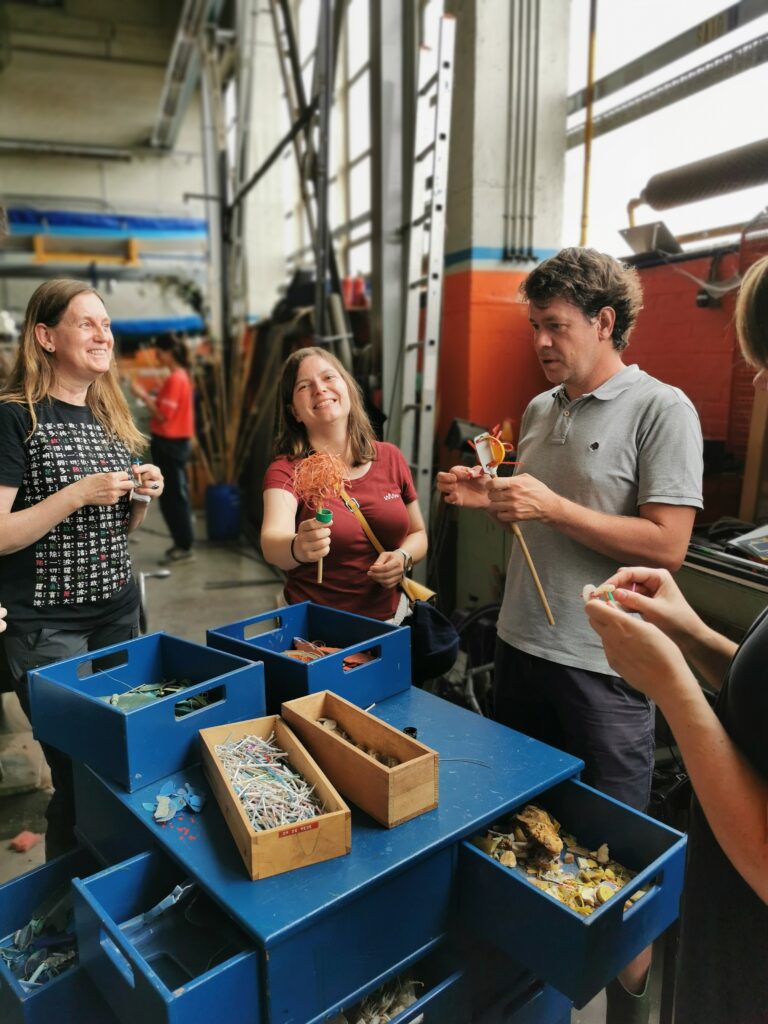
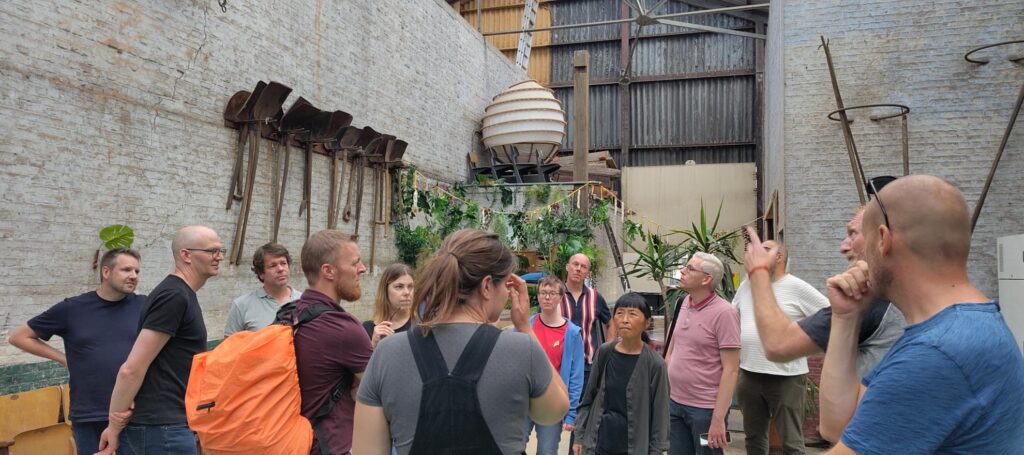
And it shows: ‘You can see that people get to know each other better and quickly learn whom to approach. The atmosphere becomes more relaxed and conversations flow more naturally.’ As one library staff member puts it with a smile: ‘After a team day, you once again know which face belongs to which name, who has what kind of pet, who enjoys which food or who can’t hit a golf ball in a straight line. Afterwards, the distance between colleagues feels smaller, and even online meetings run more smoothly.’
‘A team day is an important opportunity to get to know one another and lower the threshold for starting a conversation.’ – Jennifer Van den Avijle
The same is true in larger research groups, such as those within the Department of Sociology. After a team day, interactions become more informal and colleagues find it easier to approach one another. ‘That’s why we deliberately mix colleagues who don’t know each other as well into new groups,’ say Martine Vandervelden and Elise ’t Hoen.
A catalyst for connection
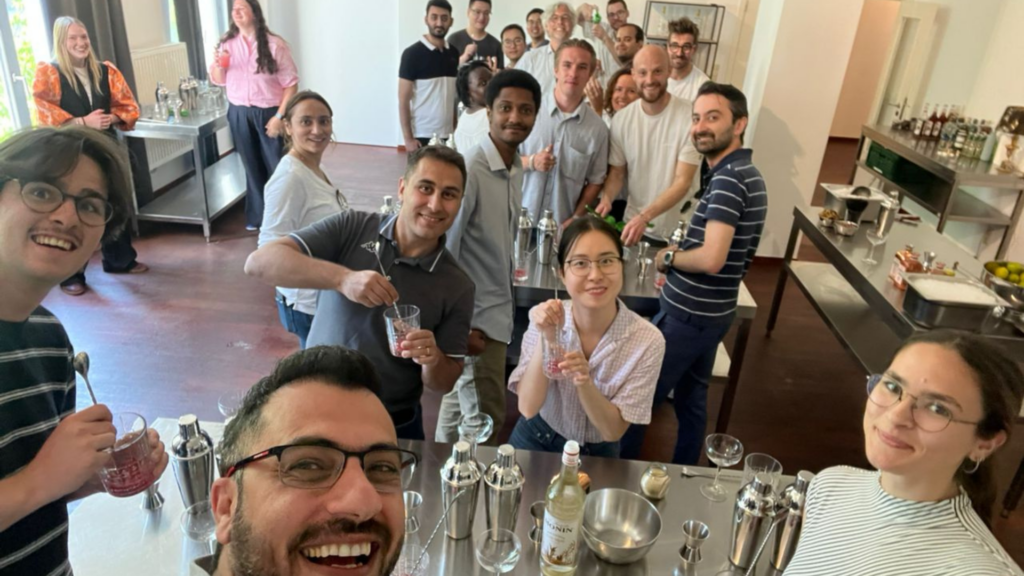
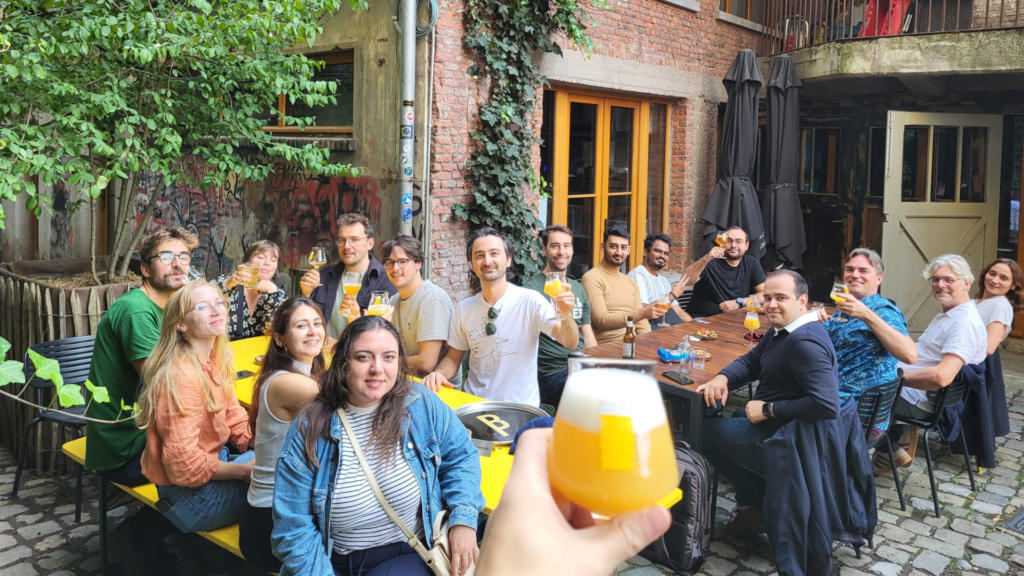
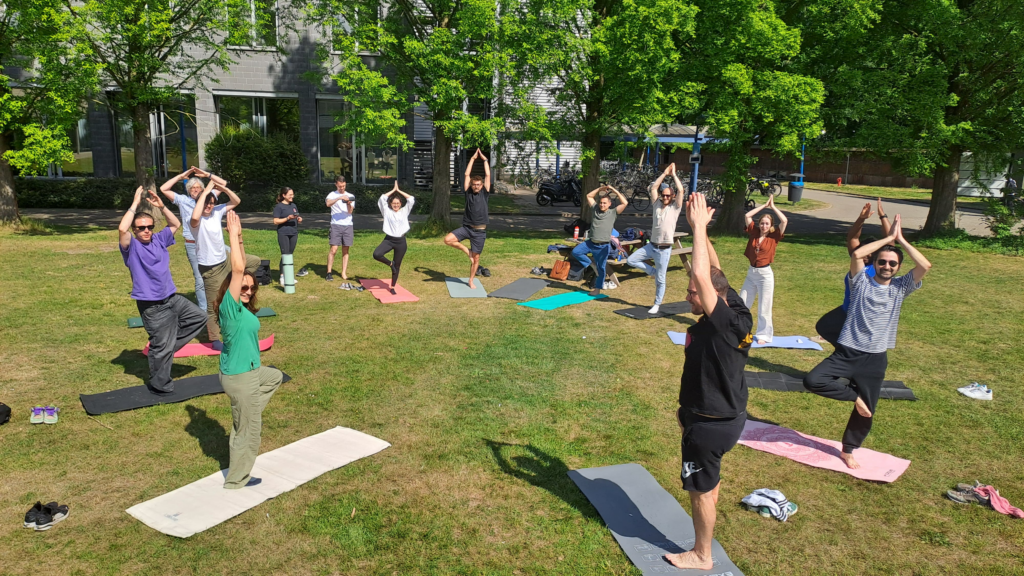
Team-building is one way of strengthening face-to-face connection, with organisers making sure activities are accessible to everyone. From kayaking and padel to city visits, quizzes and cooking together, the activities may differ, but the intention remains the same.
‘The goal is interaction between people, not individual performance,’ says Werner Jacobs (CFO, Finance Department). ‘The strength lies in sharing an experience together, and that can be something very simple.’ Alongside activities such as boxing, badminton, yoga, walking and board games, the programme also included a work-related session explaining future plans. ‘That, too, is important for building team cohesion,’ says Werner.
‘The goal is interaction, not individual performance. It’s about what develops between people.’ – Werner Jacobs
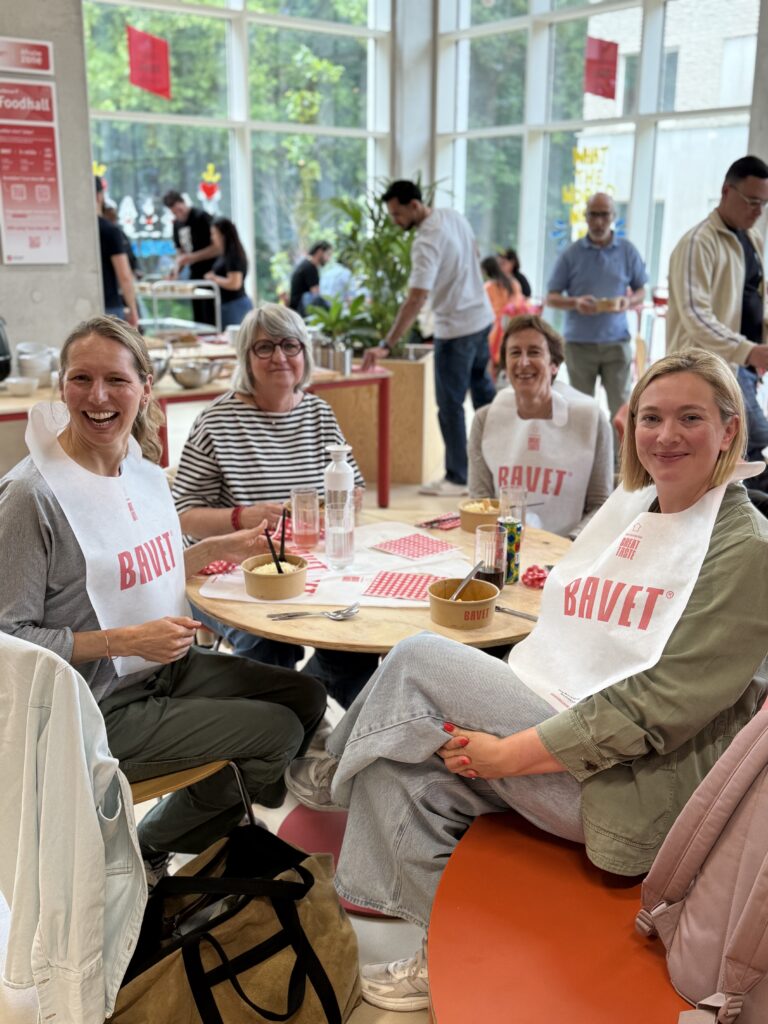
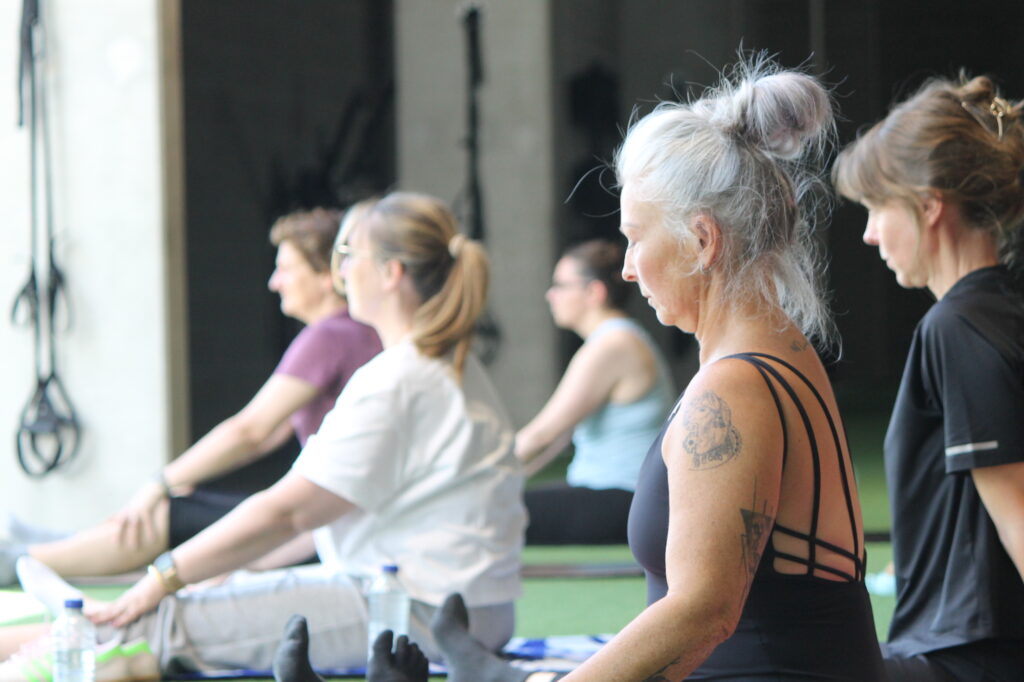
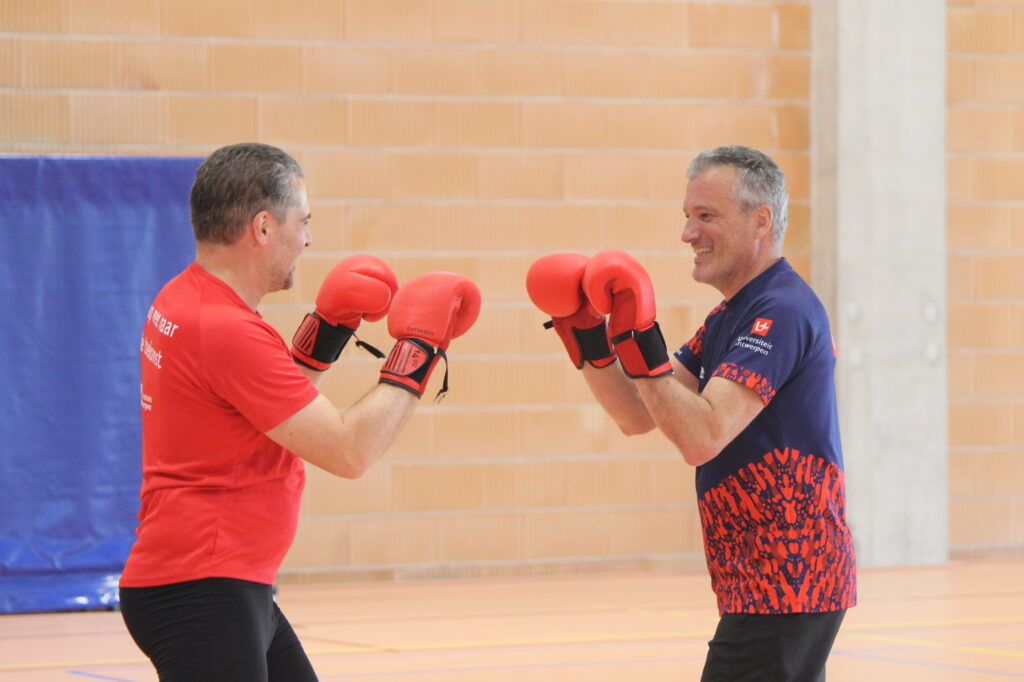
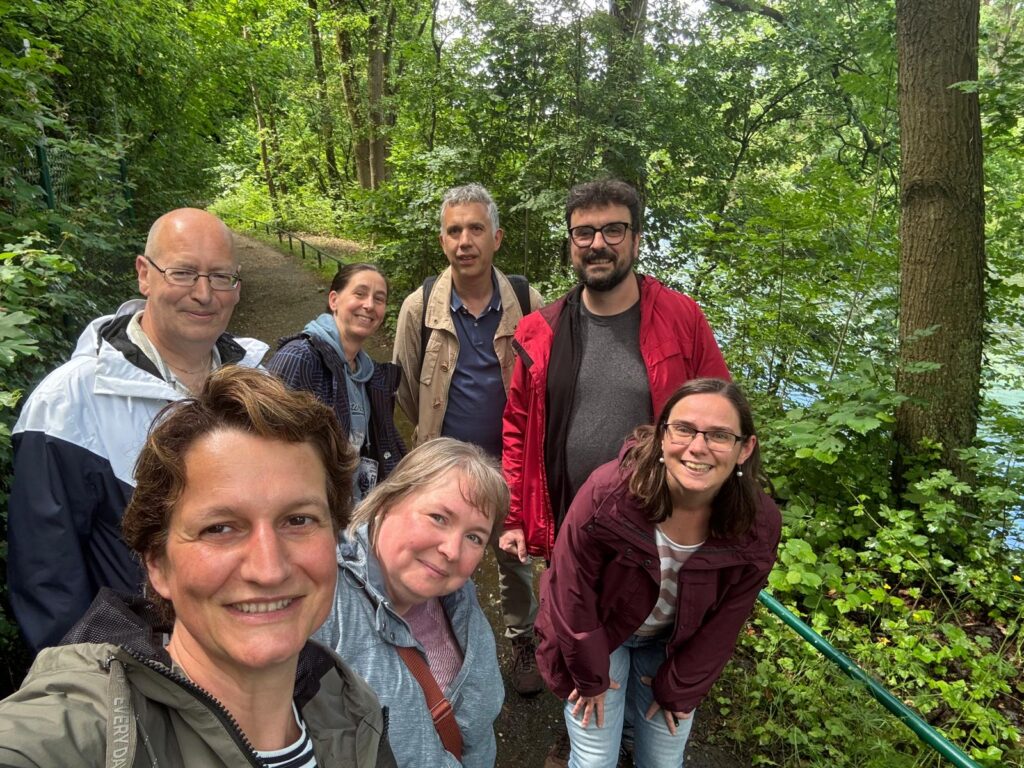
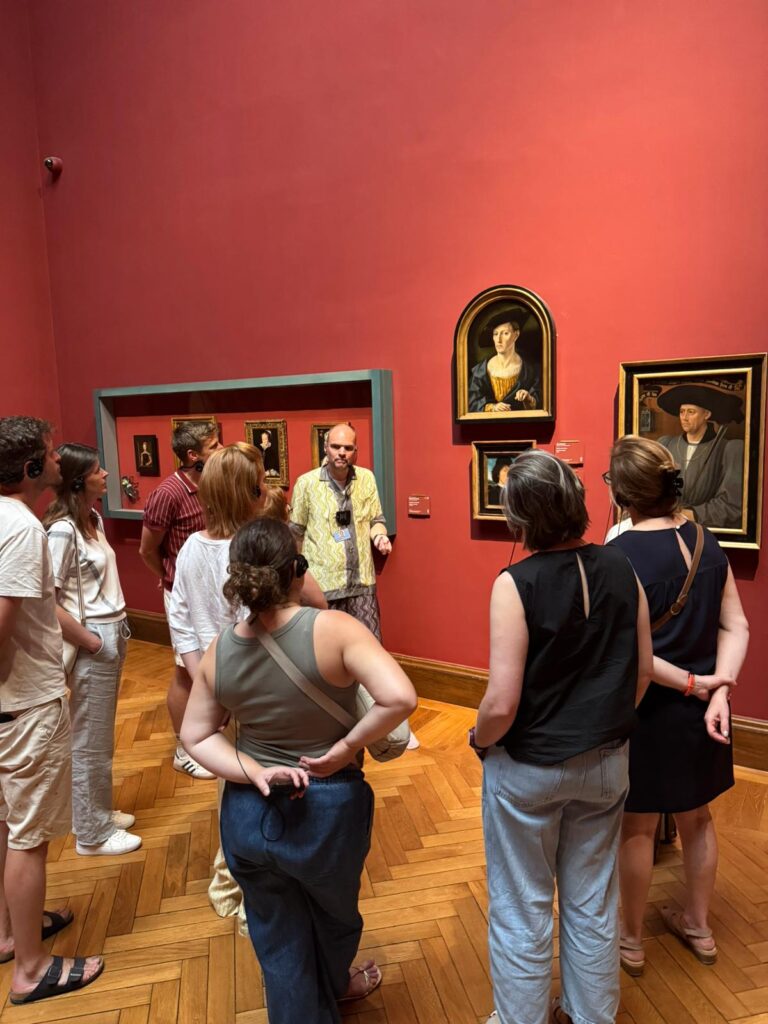
This year, Willem Vanneste from the University Archives organised a team-building activity for the first time: a combination of a working visit, an excursion, lunch and drinks. ‘It allows you to get to know each other in a different setting.’
‘It’s nice to see another side of your colleagues: the quiet colleague turns out to be a brilliant quiz player, someone else reveals themselves as a born organiser, while another unexpectedly turns out to be very competitive. It also helps break down hierarchical barriers,’ says Adinda Wens (Finance Department).
Experiences that stay with you
Sometimes it’s the unexpected moments that leave the strongest impression.
‘Outside the work environment, there’s room for humour, competition and personal interaction. That contributes to collaboration and trust down the line,’ says Sam Smit (domain coordinator Diversity and Inclusion). A concrete example? ‘We went to play miniature golf and not everyone felt comfortable with that. But precisely because everyone showed their vulnerable side, it created a real sense of connection,’ says Fadima Aroua.
‘When colleagues show their vulnerable side, it creates a real sense of connection.’ – Fadima Aroua
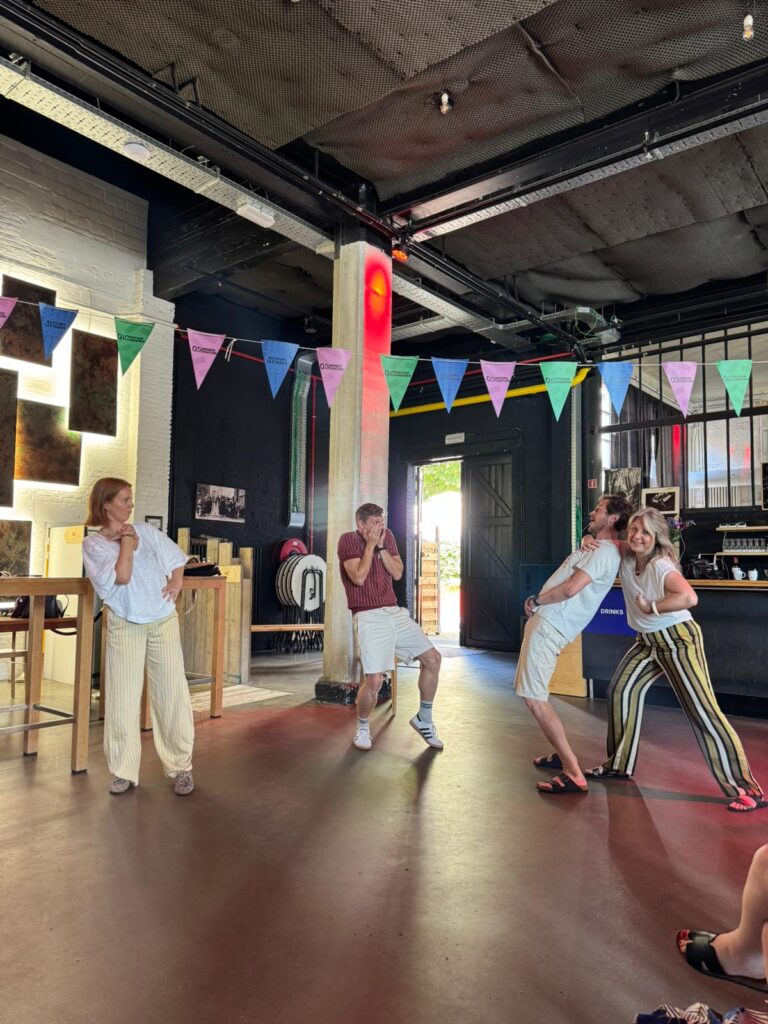
The Diversity and Inclusion team takes a thoughtful approach to this. Activities are discussed in advance and colleagues are given a say in the programme. ‘By asking colleagues for their input beforehand and giving them a choice, you lower the threshold for participation.’ The programme is carefully designed, ranging from an improvisation workshop to a queer museum tour. Practical barriers such as physical abilities, personal boundaries and home situations are also taken into account.
Not a given for everyone
Not everyone enjoys team-building. Some colleagues simply don’t like social activities, busy environments or lots of stimuli.
‘Whatever you organise, there will always be people who choose not to take part,’ says Professor Sarah Van de Velde. ‘But the essence isn’t the activity itself, it’s spending time together. You can’t force connection, but you can create the right conditions for it.’ Time also plays a role. ‘For Senior Academic Staff, work often remains the priority. They find it harder to switch off,’ say the organisers of the Department of Sociology team day.
‘Whatever you organise, there will always be people who choose not to take part. But the essence isn’t the activity itself, it’s spending time together.’ – Professor Sarah Van de Velde
Practical considerations also matter. ‘As we have service desks that require permanent staffing and colleagues spread across different campuses, it isn’t always easy to bring everyone together,’ says Jennifer Van den Avijle. That’s why teams focus on offering choice and keeping activities accessible. ‘Introverted colleagues in particular may experience barriers. You need to take that into account when choosing activities,’ says Adinda Wens (Finance Department). ‘To avoid that, we discuss the plans beforehand. If someone doesn’t feel comfortable with an activity, we choose something else. It has to work for everyone,’ says Willem Vanneste.
Sharing a meal brings people together
Sometimes the greatest strength lies in something very simple: sharing a meal. The conversation doesn’t have to lead anywhere and, precisely because of that, there’s space for genuine connection. ‘You end up sitting next to someone new, discover a new cuisine and instantly have something to talk about. Before you know it, the conversation is flowing,’ says one library staff member.
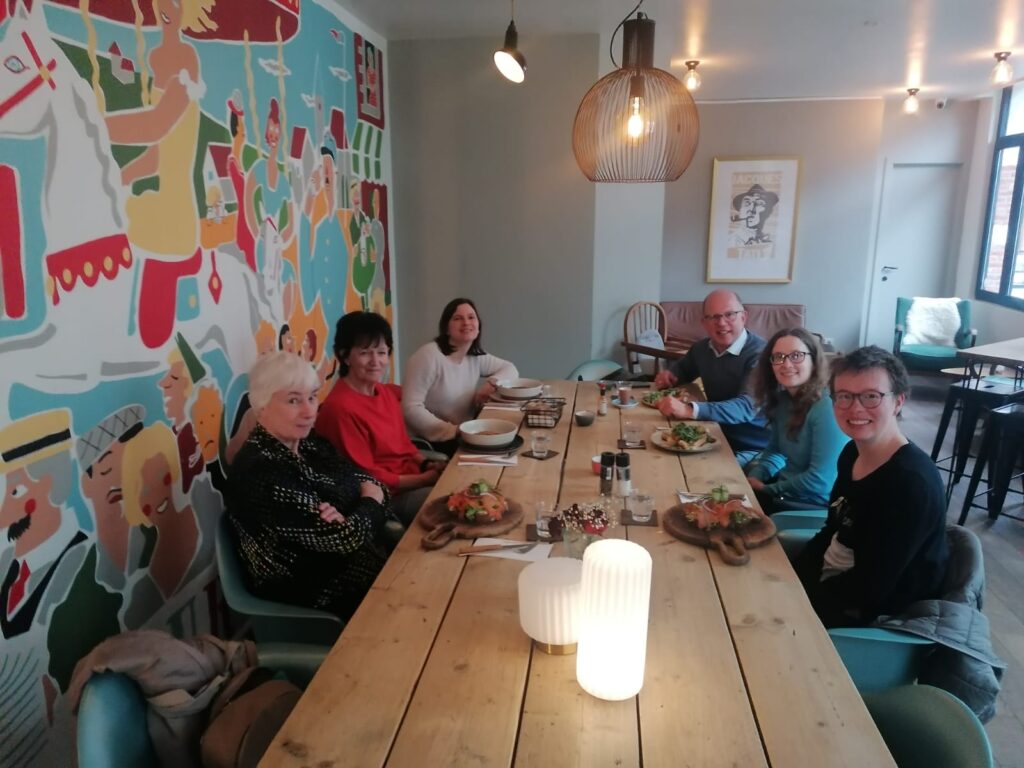
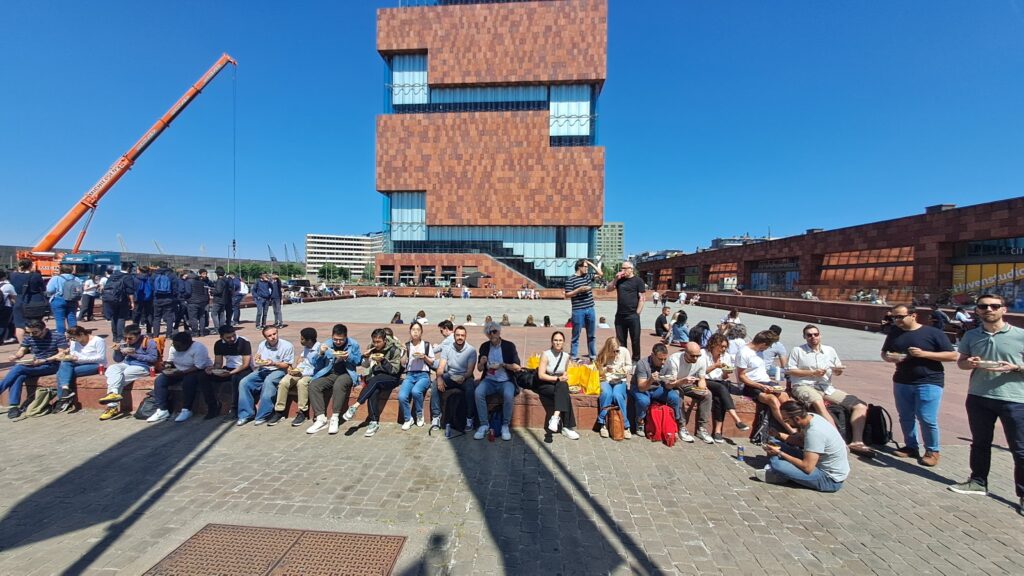
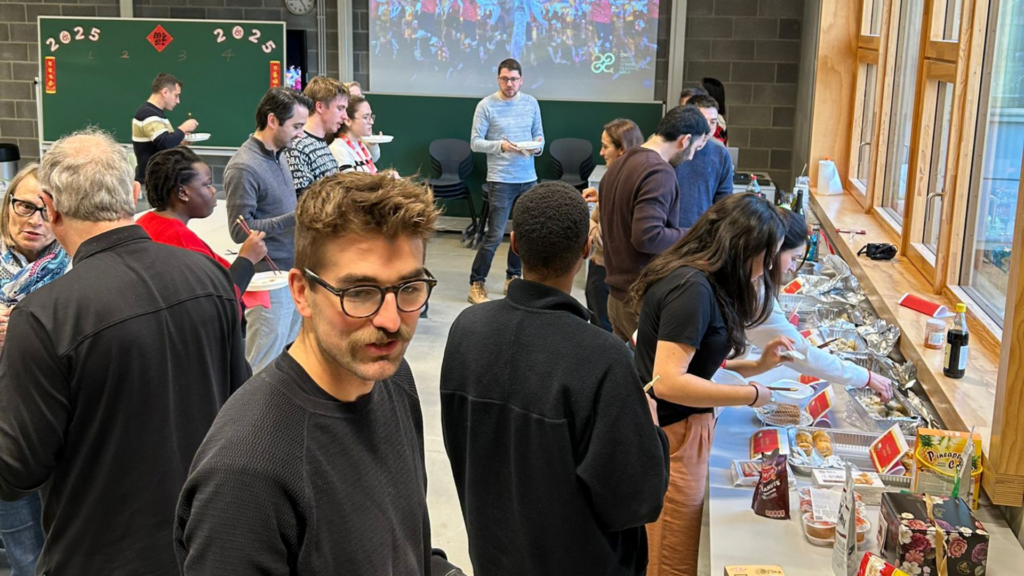
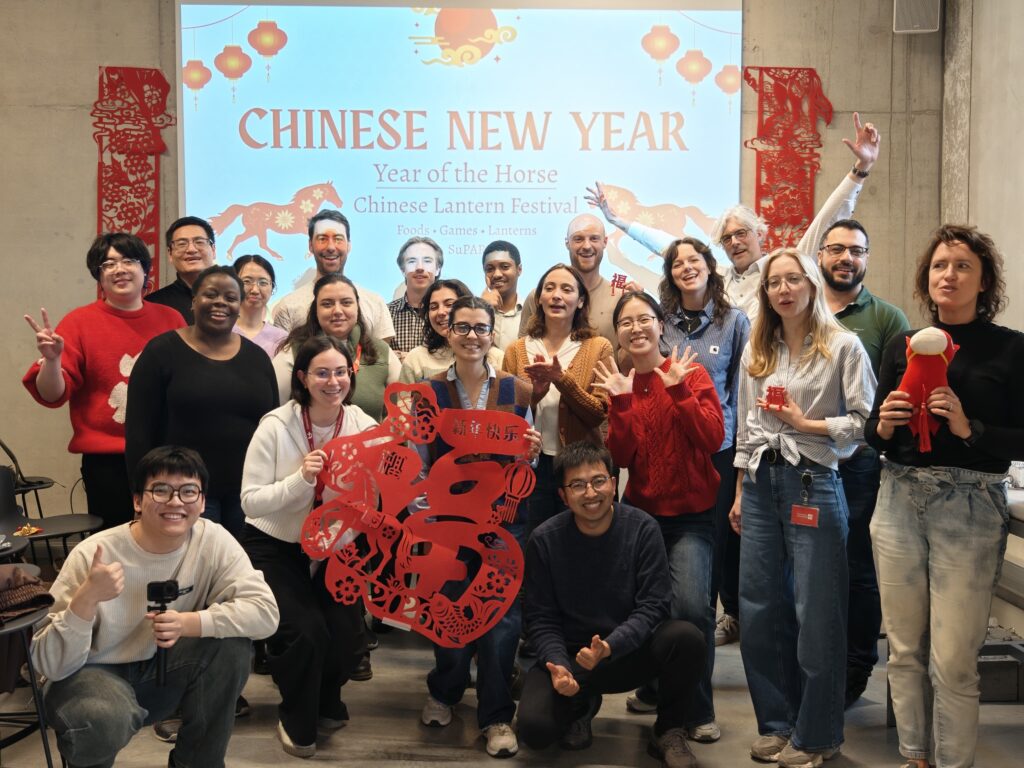
Within SuPAR, where many international researchers work, colleagues celebrate Christmas, New Year, Chinese New Year and Persian New Year together over food. Staff often bring dishes from home and share stories about their background. One of their most memorable moments? Chinese New Year, when colleagues not only brought traditional dishes but also sang, told stories and organised games. ‘You not only get to know each other better, but also gain insight into one another’s culture and traditions.’
‘Chinese New Year is always especially memorable because our Chinese colleagues sing, tell stories and organise games.’ – Professor Wim Van den Bergh
Small moments, big impact
The impact of a team-building activity is often found in small changes: people are quicker to approach one another, giving feedback gets easier and collaboration becomes more natural. ‘New colleagues settle in and feel part of the team more quickly,’ says Professor Sarah Van de Velde.
Simple things such as sharing a meal, going for a walk, taking a coffee break, giving someone a small token of appreciation or having a drink after work all help connection continue to grow. Professor Wim Van den Bergh: ‘Colleagues sometimes choose to work together in the same room, even though each of them has their own office. That, too, creates connection.’
Connection attracts talent
A further positive effect is the group’s external reputation. ‘We’re known internationally as a close-knit group. Many people want to experience that for themselves,’ says Professor Wim Van den Bergh. ‘Researchers also stay with us longer because they feel connected to the group. Even after they leave, we often stay in touch.’ A strong internal culture therefore also enhances the group’s reputation externally.
Key takeaways
The common thread running through all the conversations is clear:
- Meeting in person strengthens trust.
- Informal moments make collaboration easier.
- Team-building is a means, not an end.
- Small initiatives can have a big impact.
- Sometimes, simply make time for one another is enough.
Or, as Fadima sums it up: ‘The greatest gain is a sense of warmth, connection and energy.’