

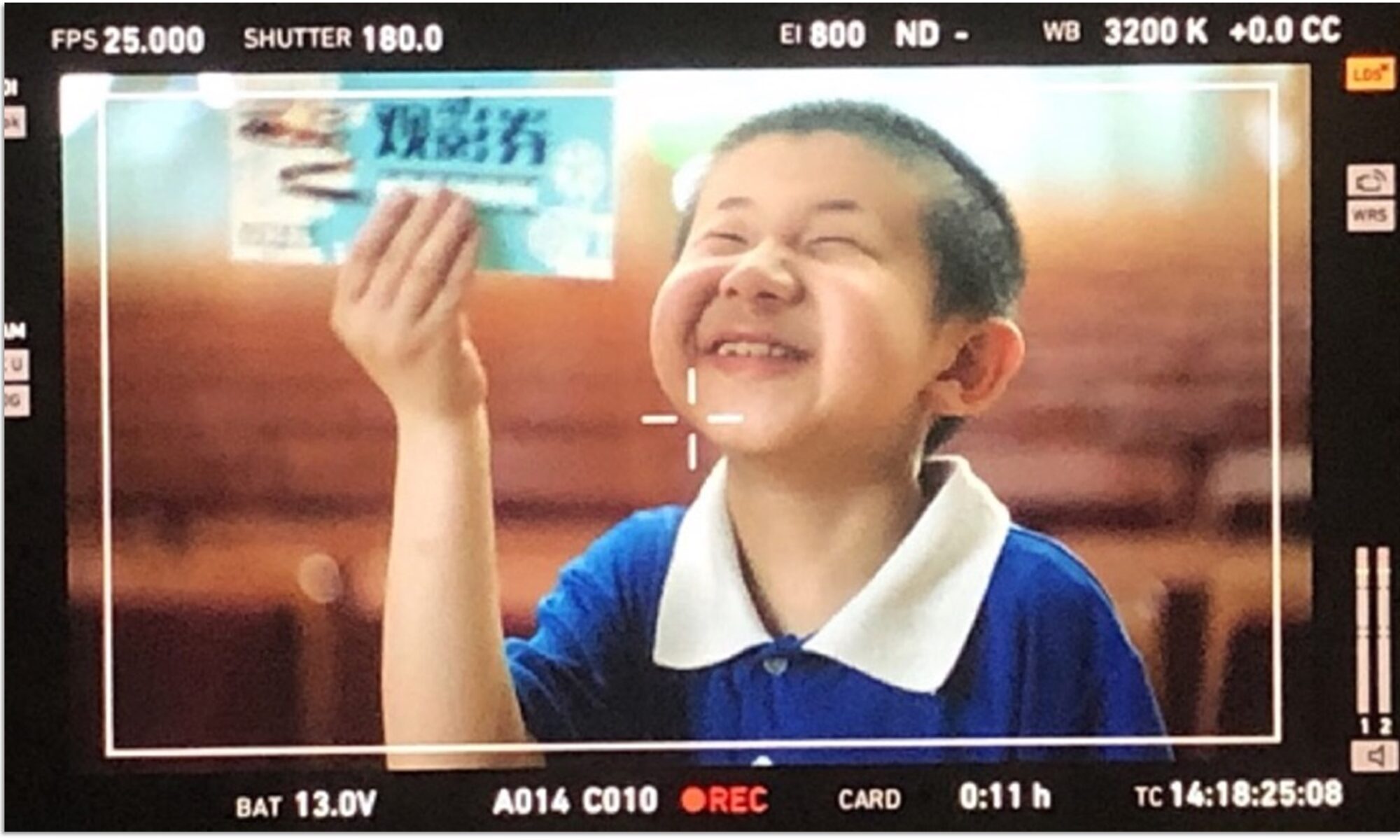
What does it mean to “watch” a film when you cannot see the screen? In his doctoral research, Qi Liu (Communication University of China / TricS) examines audio description (AD), an accessibility service that turns visual information into spoken narration for blind and visually impaired (BVI) audiences. Taking the “Ever-shining Cinema” project at the Communication University of China as a key case, Qi’s study shows that AD is not only a technical service, but also a form of media practice, social participation and cultural inclusion. Based on publications, surveys, interviews and fieldwork, the research explains how students, volunteers, universities and organisations work together to make films more accessible. It also proposes a university-led Chinese model for developing AD services. (Text: Qi Liu)
Hearing what is shown
For many people, films begin with the image. A character enters a room. A face changes expression. A hand slowly reaches for a letter. These details may seem small, but they often carry the emotion and meaning of a scene. For BVI audiences, however, such visual information can easily remain inaccessible. AD offers one way to bridge this gap. It adds spoken narration between dialogue and important sounds, explaining actions, facial expressions, settings and scene changes. In this way, it helps audiences follow not only what is said, but also what is shown.
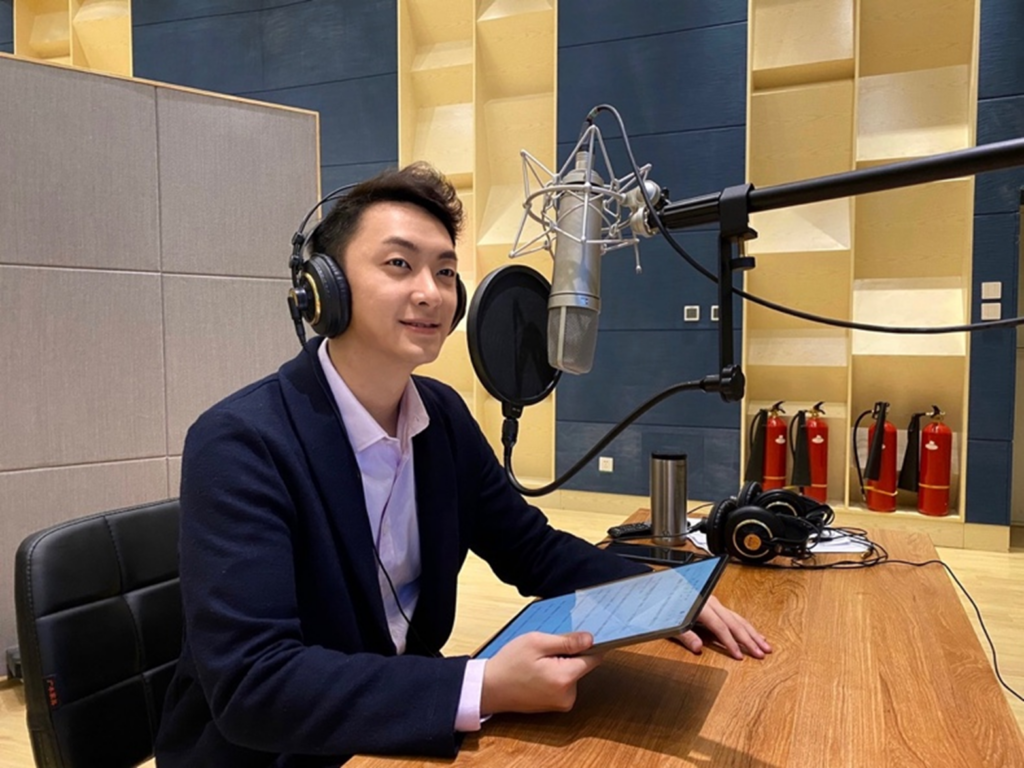
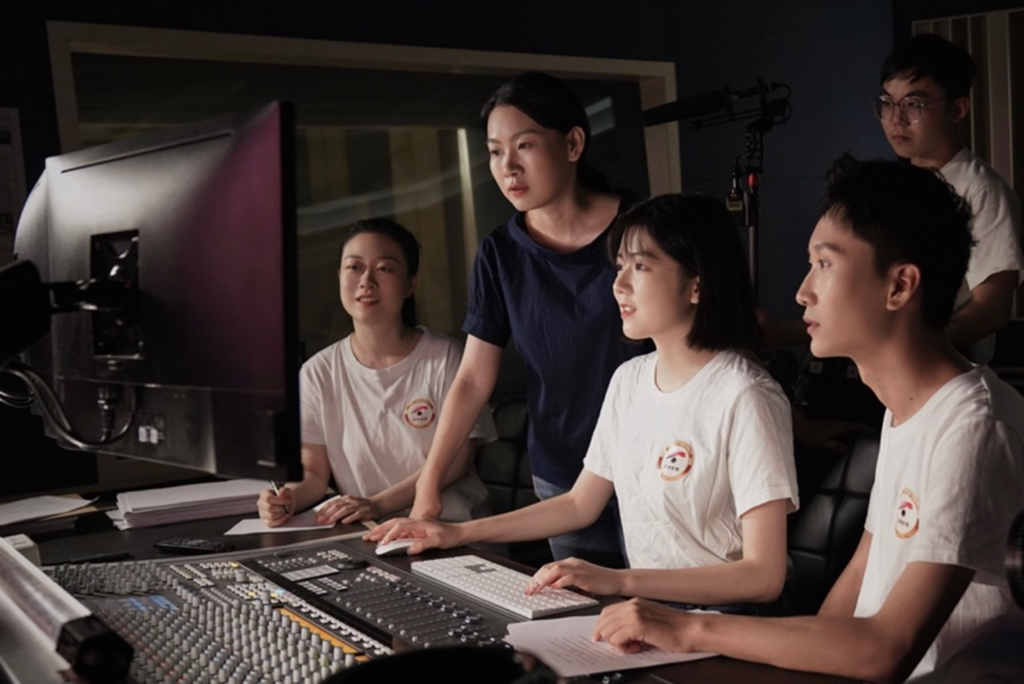
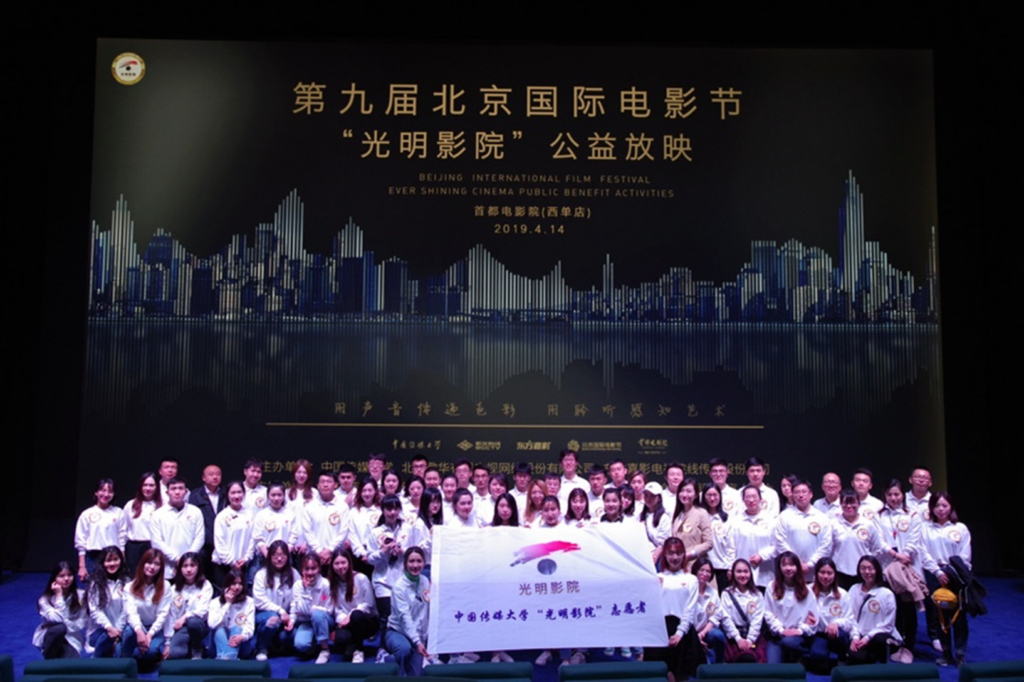
Qi Liu’s doctoral research focuses on the development of AD in China. “Audio description is often understood simply as a service for BVI audiences,” he explains. “But it is also about cultural rights, media access and the way society organises public culture.” His research takes the “Ever-shining Cinema” project at the Communication University of China as a representative case. The project organises students and teachers to produce accessible films for BVI audiences. Students write AD scripts, record narration and participate in screenings. Through this process, they learn professional media skills while also engaging directly with social needs.
Audio description in China
A study of 138 publications shows that AD research in China is still developing and remains divided between different academic fields, especially translation studies and communication studies. A survey of 59 describers shows that revision is a central part of writing AD scripts. Many describers spend between a quarter and three quarters of their writing time revising. They check whether the description is accurate, clear, well-timed and consistent with the film.
A broader survey of 241 practitioners further reveals the social profile of Chinese audio describers. Many are volunteers, often with backgrounds in journalism, communication or media-related studies. They show strong social responsibility and a high level of collaboration, but they also face challenges such as limited institutional support, unclear professional identity and restricted career opportunities.
The study also includes interviews with 37 student volunteers. Their experiences show that participation in AD is not only about helping others. It also changes how students understand media, disability and social responsibility. University platforms, teacher guidance and value-oriented education play an important role in sustaining their participation.
Public culture for everyone
Qi argues that China’s AD services have followed a distinctive path. Like early practices in many Western countries, they have relied heavily on volunteers and public welfare work. What makes the Chinese case distinctive is the central role of universities, which provide organisational platforms, student training and links between media education and social service. This model supports collaboration and civic engagement, but still needs stronger institutional support, professional standards and wider public recognition.
“At its heart, audio description is a bridge,” Qi says. “It connects image and sound, media and society, cultural production and cultural participation. More importantly, it reminds us that accessibility is not a favour offered to a small group. It is part of building a more inclusive public culture for everyone.”
Contact
Qi Liu | baalq@cuc.edu.cn
Communication University of China / University of Antwerp