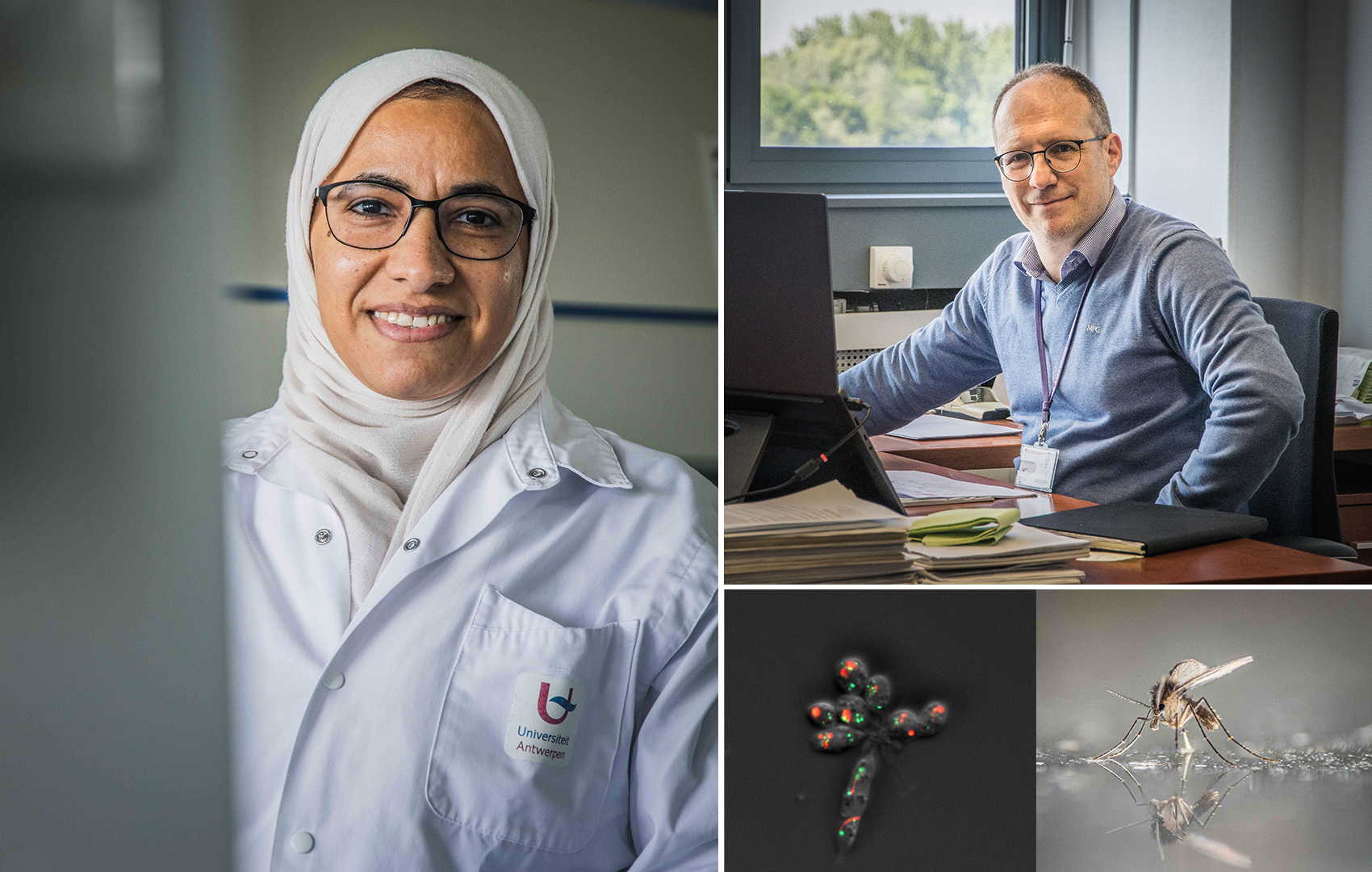
Leishmaniasis is a disease caused by Leishmania parasites, transmitted through the bites of infected sand flies. It can affect internal organs, such as the spleen, liver and bone marrow (visceral leishmaniasis), or the skin and mucous membranes (cutaneous and mucosal leishmaniasis). ‘With no human vaccine available, the search for safer, more effective treatments remains essential’, says postdoctoral researcher Rokaya Ahmed. ‘In this study we investigated how promising new compounds, aminopyrazoles, act against the parasite.’ At the Laboratory for Microbiology, Parasitology and Hygiene, Rokaya works under the supervision of Professor Guy Caljon as part of the Parasitology team.