Scientists at the University of Antwerp and KU Leuven have shown that blocking ferroptosis, a specific form of cell death, can better protect donor organs during transplantation. ‘We developed FXT-001, a small molecule that protects organs against ischemia–reperfusion injury, one of the main causes of early transplant failure,’ says Professor Tom Vanden Berghe.
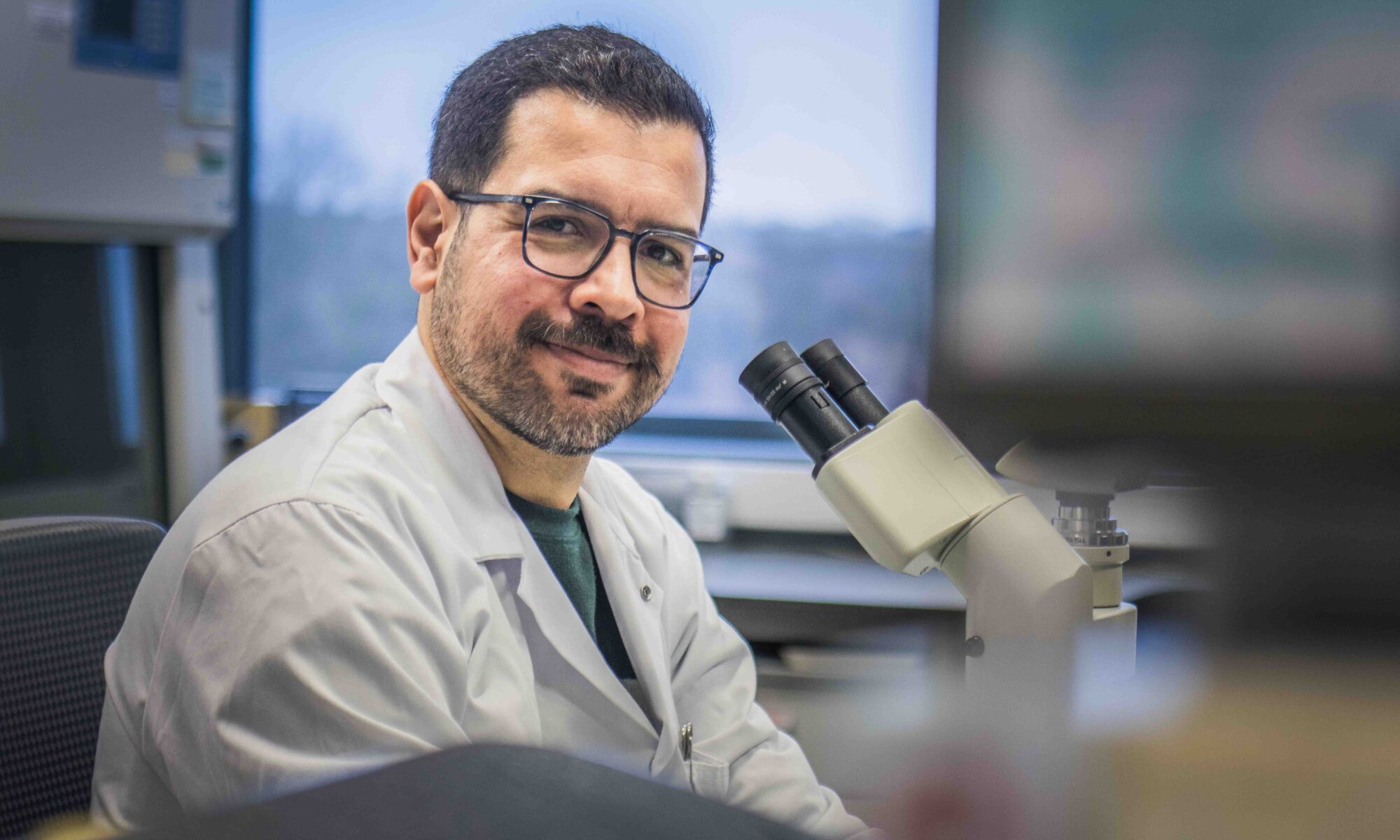
After completing his PhD at the Laboratory of Microbiology, Parasitology and Hygiene at the University of Antwerp he started as a post-doctoral researcher. Kayhan talks about his work on animal trypanosomiasis, his academic journey from Iran to Belgium and his experience of living and working in a new country.
During our annual Faculty Research Day, we highlight the research of our professors and PhD researchers. The Faculty Focus podcast was there as well to chat about their ongoing research.
Neuro-endocriene neoplasieën (NEN), soms wel de zebra’s onder de kankers genoemd, is een heterogene groep tumoren die nog te vaak onopgemerkt of verkeerdelijk gediagnosticeerd wordt. ‘Gemiddeld duurt het 5 tot 7 jaar vooraleer patiënten een correcte diagnose krijgen’, legt doctoraatsonderzoeker Laura Mariën uit.
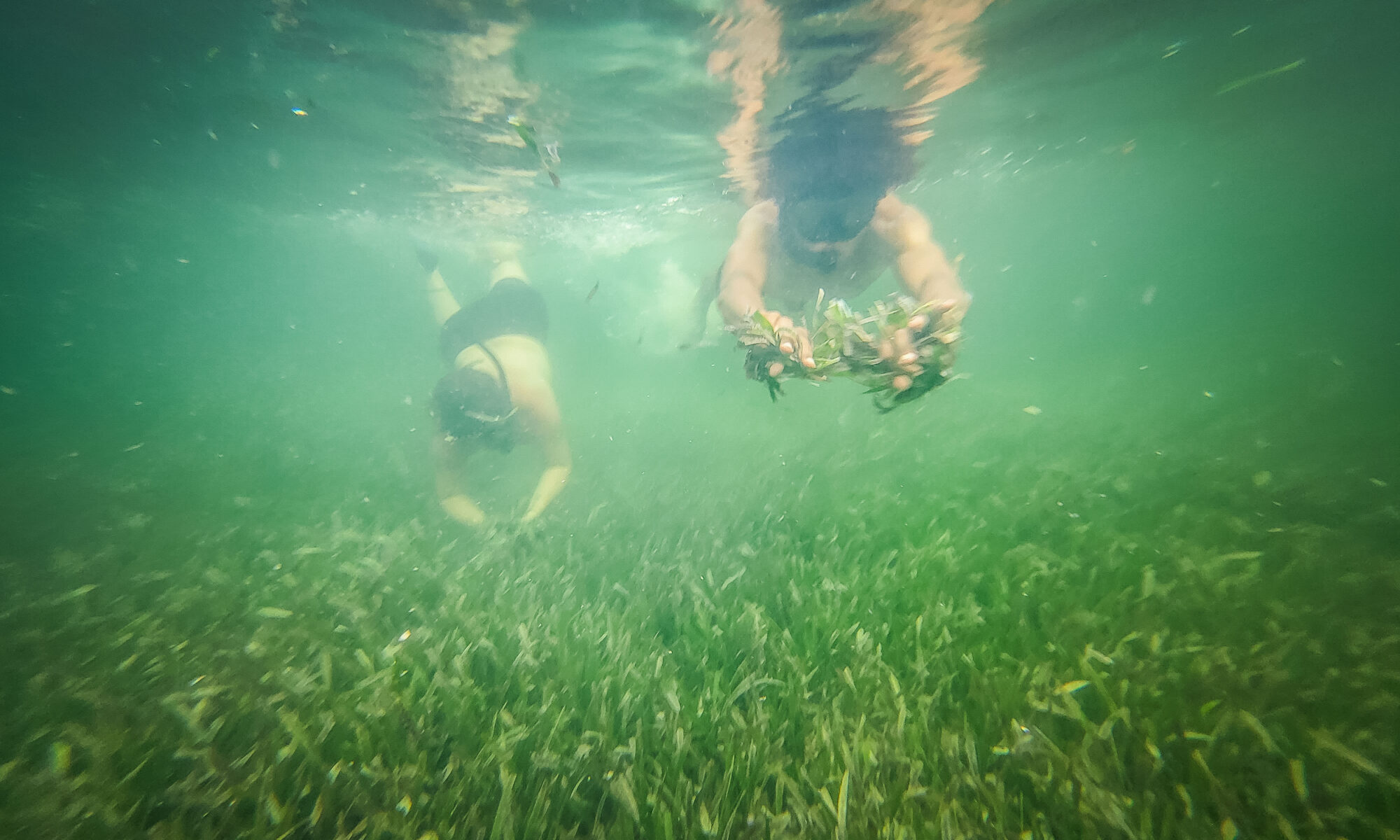
Seas and oceans harbor countless undiscovered treasures. One of these is the seagrass Thalassia, specifically the species Thalassia testudinum. Long recognized for its ecological importance, this marine plant serves as a vital food source for creatures like sea turtles and plays a key role in protecting vulnerable Caribbean coastal ecosystems. Recently, scientists have discovered that Thalassia contains significant anti-carcinogenic compounds, capturing the attention of researchers and marine science biomedical institutes.
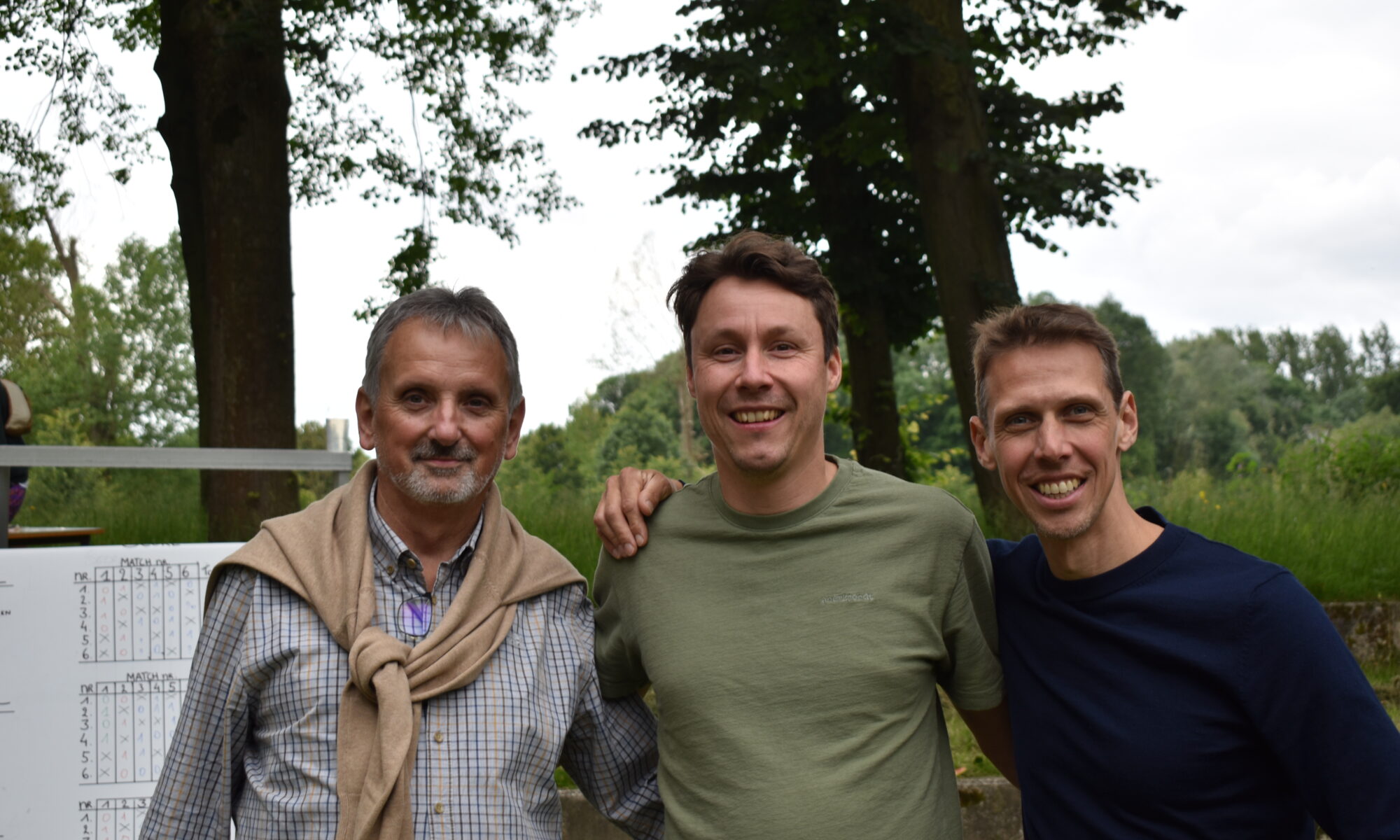
Serpil, Sevgi en Fatma Degirmenci. Drie zussen, alle drie afgestudeerd aan de Universiteit Antwerpen. Serpil en Sevgi in de farmaceutische wetenschappen, Fatma in de biomedische wetenschappen. Na hun studies kozen ze er alle drie voor om ook de educatieve master in de gezondheidswetenschappen te volgen.
A new study by Dr. Peter Verstraelen, Prof. Jean-Pierre Timmermans and Prof. Winnok De Vos from the Laboratory of Cell Biology has revealed novel insights into how gut bacteria might influence our immune system and brain health.
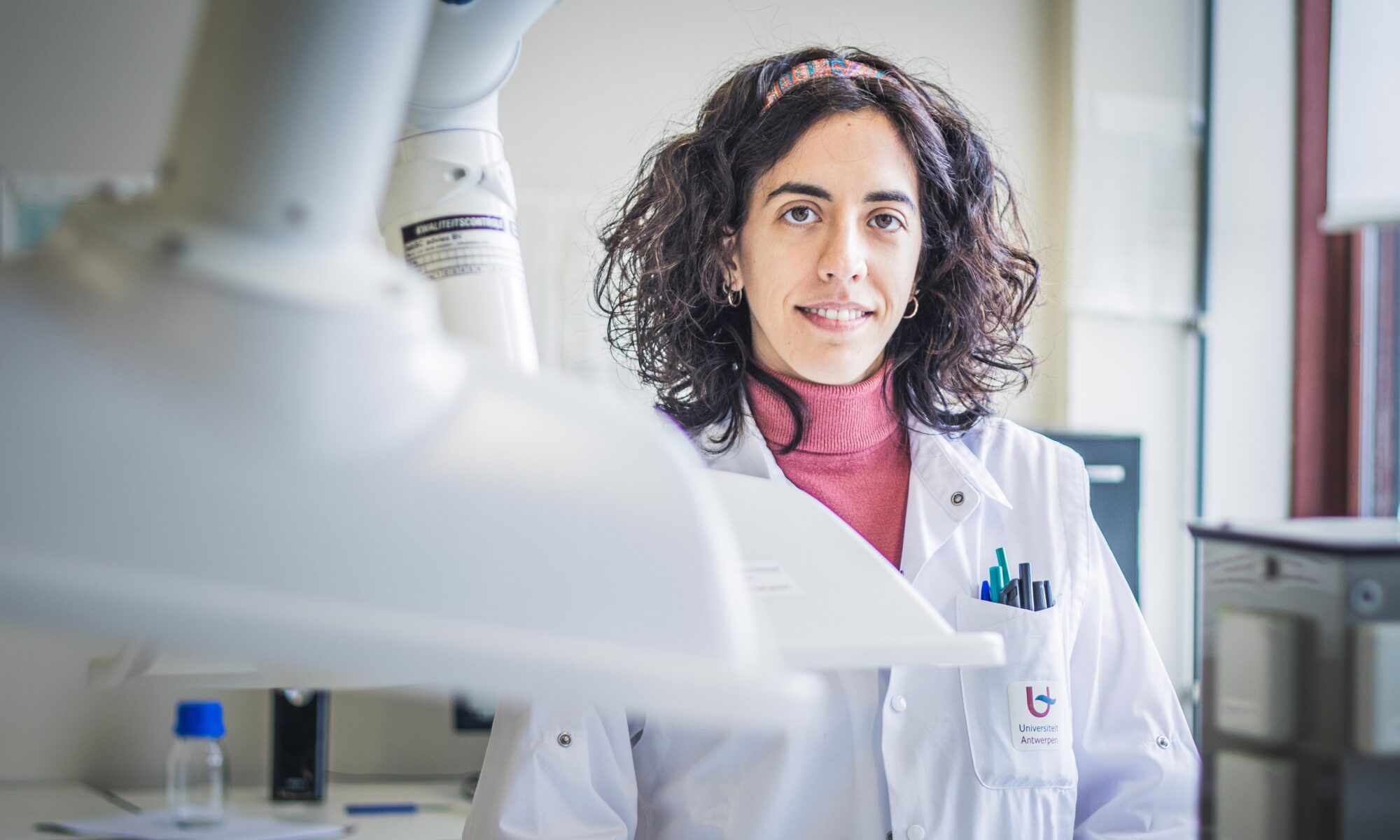
Dr. Vanesa Nozal García, from Valladolid in Spain, works as a postdoctoral researcher at the University of Antwerp. Under supervision of Professor Pieter Van Der Veken in the Laboratory of Medicinal Chemistry, she researches Acute Myeloid Leukemia (AML) and focusses on a new methodology: targeted protein degradation.
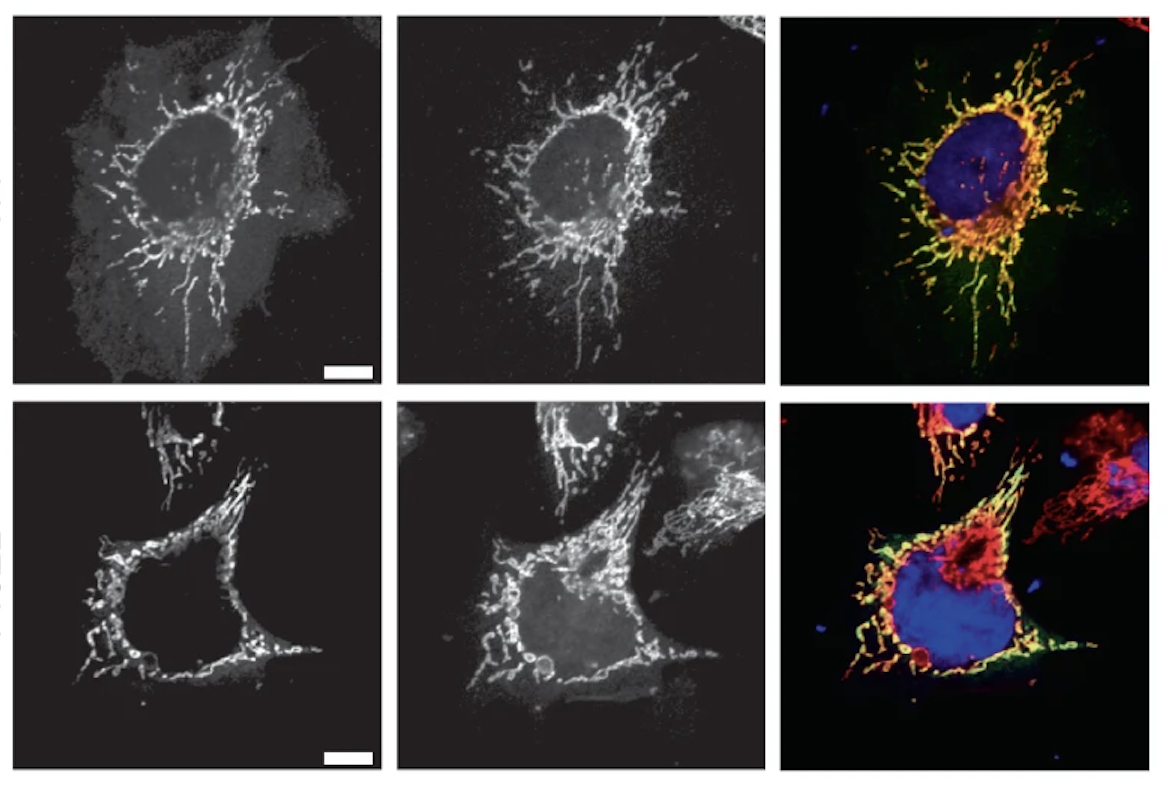
In a recent study published in the journal Nature Cell Biology, Dr. Elias Adriaenssens, Prof. Vincent Timmerman and colleagues have discovered a new function for a group of proteins called small heat shock proteins (HSPBs) in the human body. These proteins, which are found in the liquid (cytosolic) portion of cells, were found to play a critical role in the maintenance of the powerhouses of cells, the mitochondria.
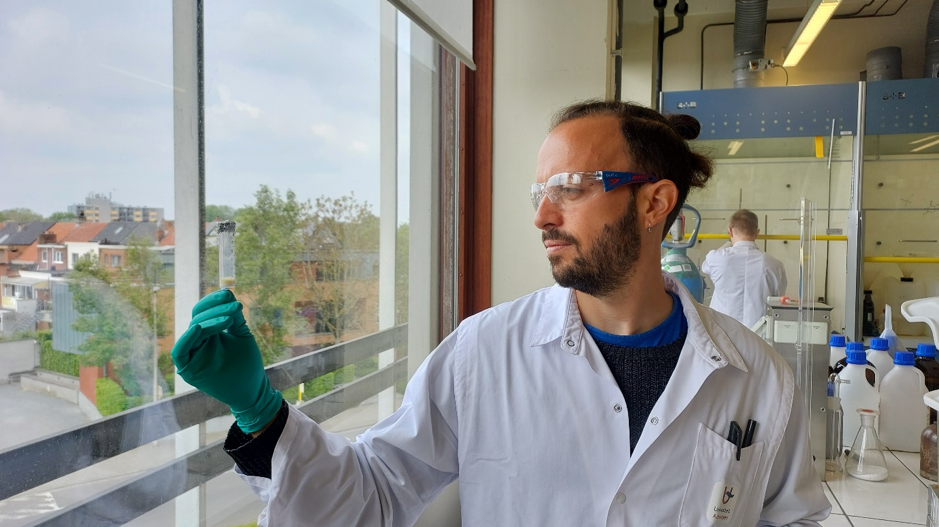
I’m Lorenzo Cianni and my research focuses on targeting autophagy in cardiovascular and metabolic diseases. I was awarded a Marie Skłodowska-Curie Actions (MSCA) Postdoctoral grant for this specific project. I’ll be working with Prof. Pieter Van Der Veken and Prof. Wim Martinet to tackle tissue-specific induction of autophagy as an innovative therapeutic strategy for cardiovascular and metabolic diseases.
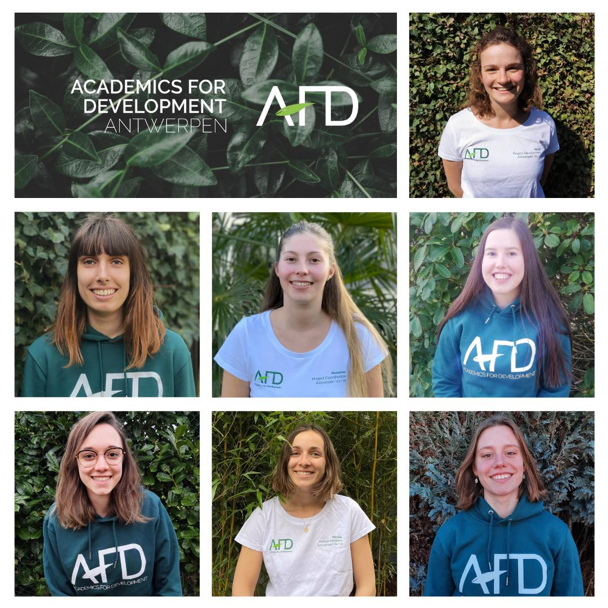
My name is Roxanne Mols. Last June, I graduated as a Master in Biomedical Sciences: Infectious and Tropical Diseases at the University of Antwerp. It was a wonderful journey where I got to broaden my interests and meet lots of new people. I learnt so much and grew tremendously as a person. I was given lots of opportunities, and one initiative that I found particularly helpful was Academics For Development (AFD).