

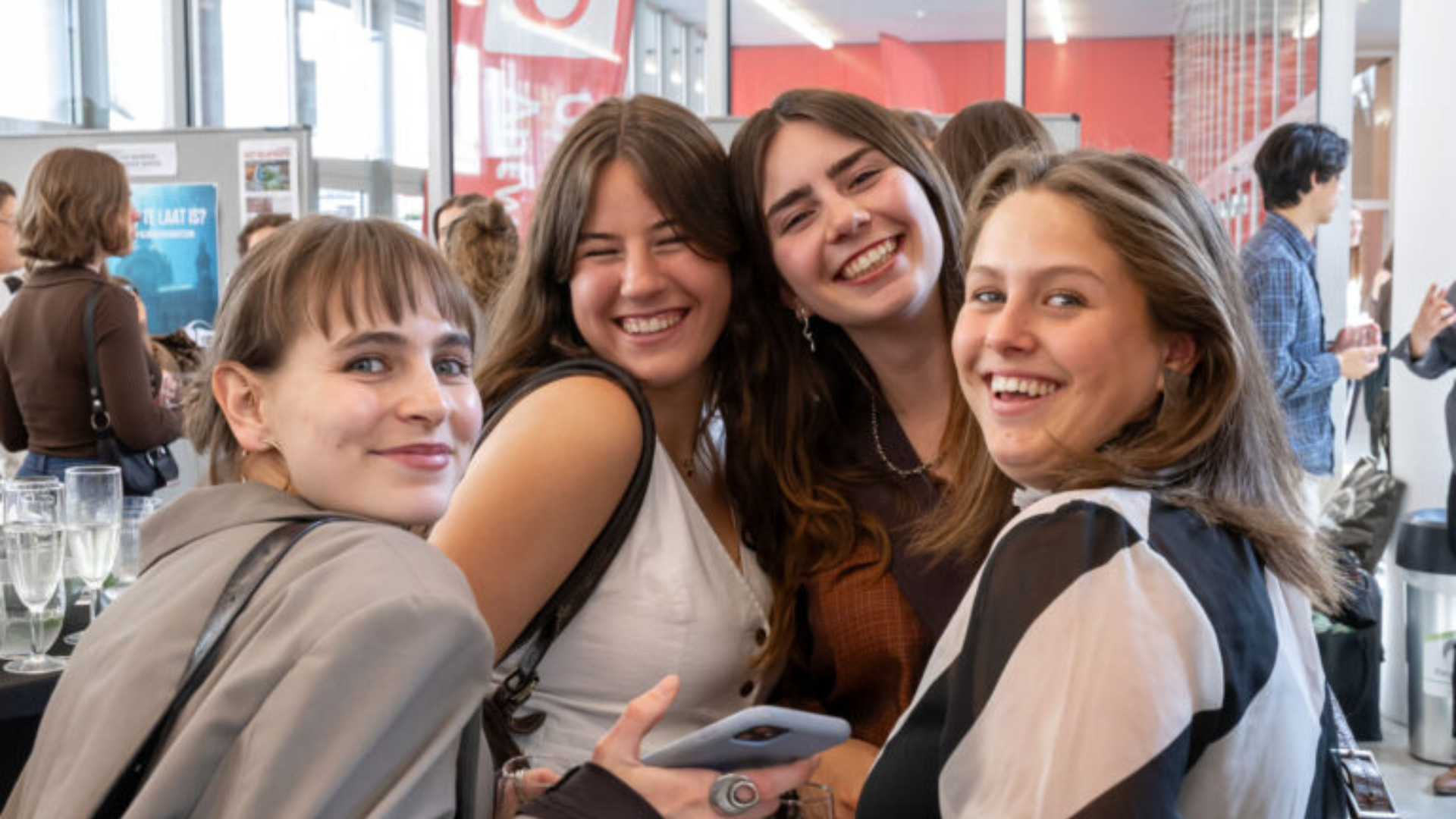
The academic year has begun. Thousands of new students are taking their first steps on our campuses. For many of them, the transition to higher education can feel a bit daunting. That’s why, through U stArt, UAntwerp focuses on new students’ first 100 days. The initiative brings together activities, information sessions, workshops, support and opportunities to meet others, all designed to help new students find their way around the university. This programme is made possible by dozens of colleagues from the faculties, central services and student associations.
For many first-year students, starting university is a big step. They have to find their way in a new environment, get to know new people and adjust to a different way of studying. Research has long shown that the first 100 days play an important role in academic success. Students who feel welcome and know where to turn for support get off to a stronger start and are less likely to drop out. A sense of belonging also makes a big difference.
One guide, many initiatives
U stArt gives students an overview of educational initiatives, wellbeing activities, information sessions, events, opportunities to meet others and practical support during the first 100 days of their studies. Everything is brought together in one place.
‘We don’t want students to have to figure everything out for themselves,’ says Femme Swinnen, who initiated U stArt and coordinates the team responsible for communication and information about student services. ‘Students who need support should be able to find it easily. Those who want to meet new people should have opportunities to do so. And anyone with questions should know where to turn.’
Different students, different needs
Students arrive with different backgrounds and expectations. Some are already familiar with the university, while others aren’t. Some live in student accommodation, while others commute. Some make connections quickly, while others need more time. That’s why U stArt offers a wide range of activities and initiatives. ‘We want as many students as possible to find something that meets their needs,’ says Femme.
Some initiatives focus on information and orientation, others on meeting people or wellbeing. They are organised by both central services and faculties. Together, they aim to give every student the chance to get off to a strong start, whatever their background or prior knowledge of higher education.

‘Students who need support should be able to find it easily. Those who want to meet new people should have opportunities to do so. And anyone with questions should know where to turn.’
– Femme Swinnen, Communications & Information Team Coordinator, Student Services Department
Meeting people makes the difference
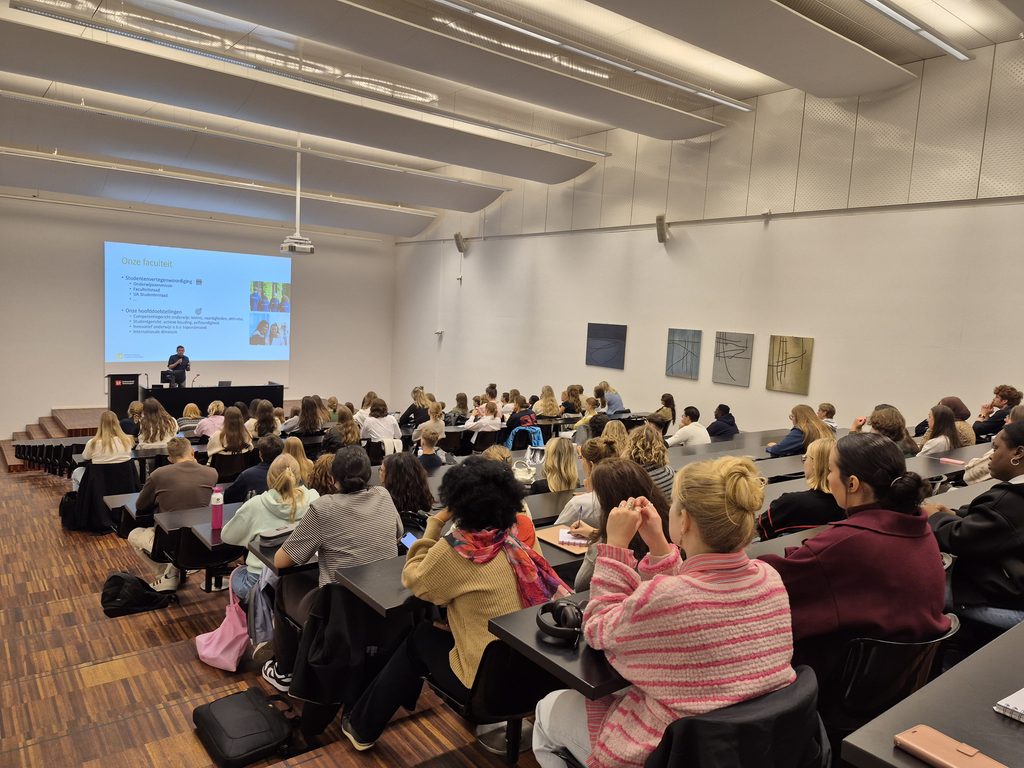
The faculties see every day how important it is for students to make connections. At the Faculty of Social Sciences, the welcome programme therefore combines information with opportunities to meet others. On their first day, new students learn about their programme and get to know one another through introductory activities.
‘We noticed that students weren’t getting to know one another as easily as before. Lecture halls are large and many of our students commute. As a result, some miss out on a network of friends they can ask questions or share their uncertainties with,’ says Miet Kuppens, policy officer for quality assurance and diversity at the Faculty of Social Sciences.
‘If we leave it entirely up to students to make the first move, some will inevitably be left out.’ The faculty has therefore chosen to welcome students in smaller groups. ‘By the end of the morning, students are chatting away to one another. In the past, they tended to leave the group information session in silence,’ Miet explains.

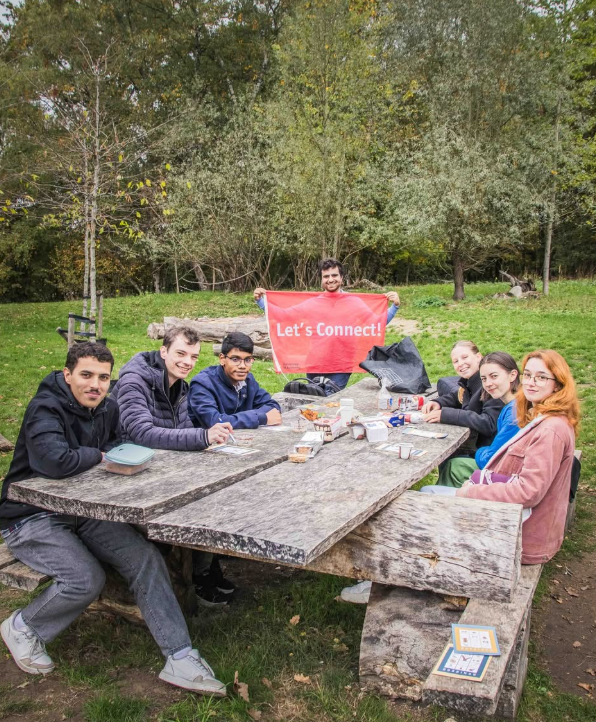
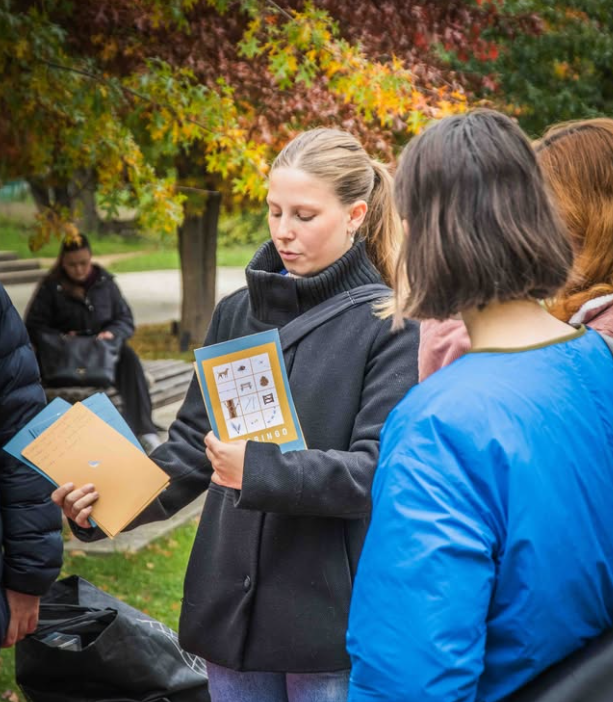
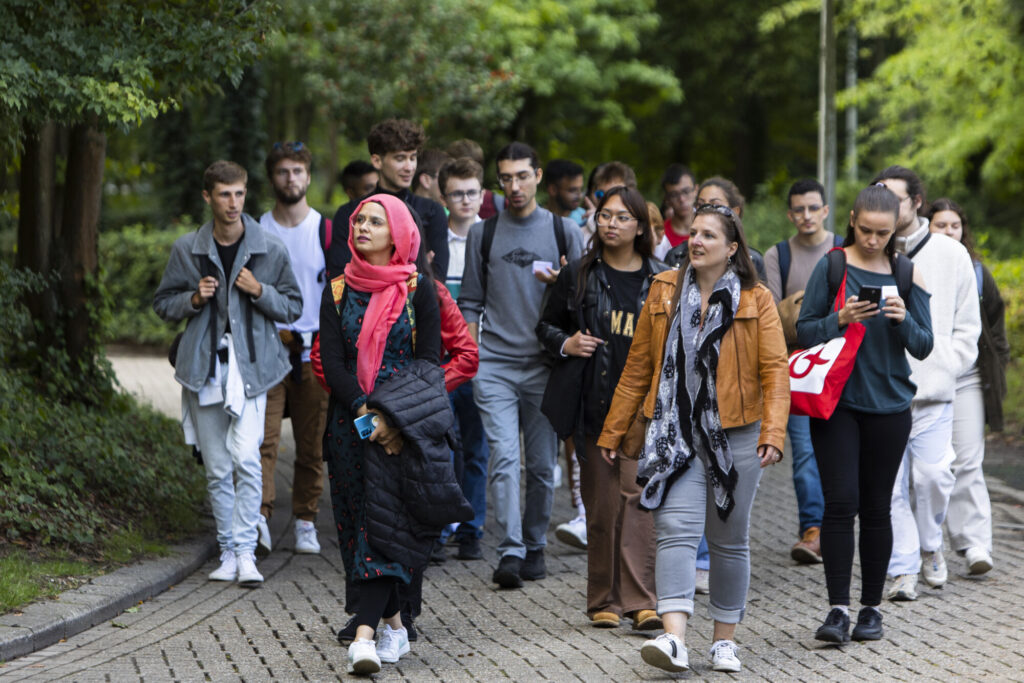
Other faculties also organise informal opportunities for students to meet. For example, the Faculty of Pharmaceutical, Biomedical and Veterinary Sciences joined forces with Let’s Connect to organise a forest bingo activity on Campus Drie Eiken. During a walk through the woods, both Belgian and international students searched for items on a bingo card and got to know their fellow students in the process. It may seem like a simple activity, but encounters like these often make a difference for students who don’t know anyone yet.

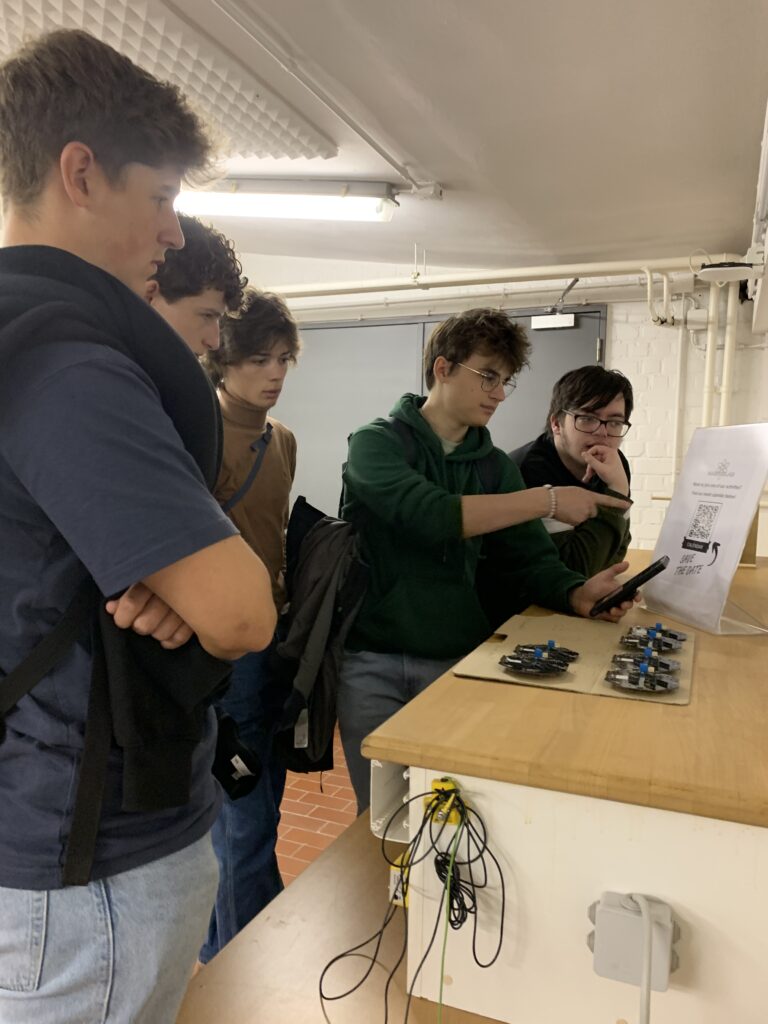
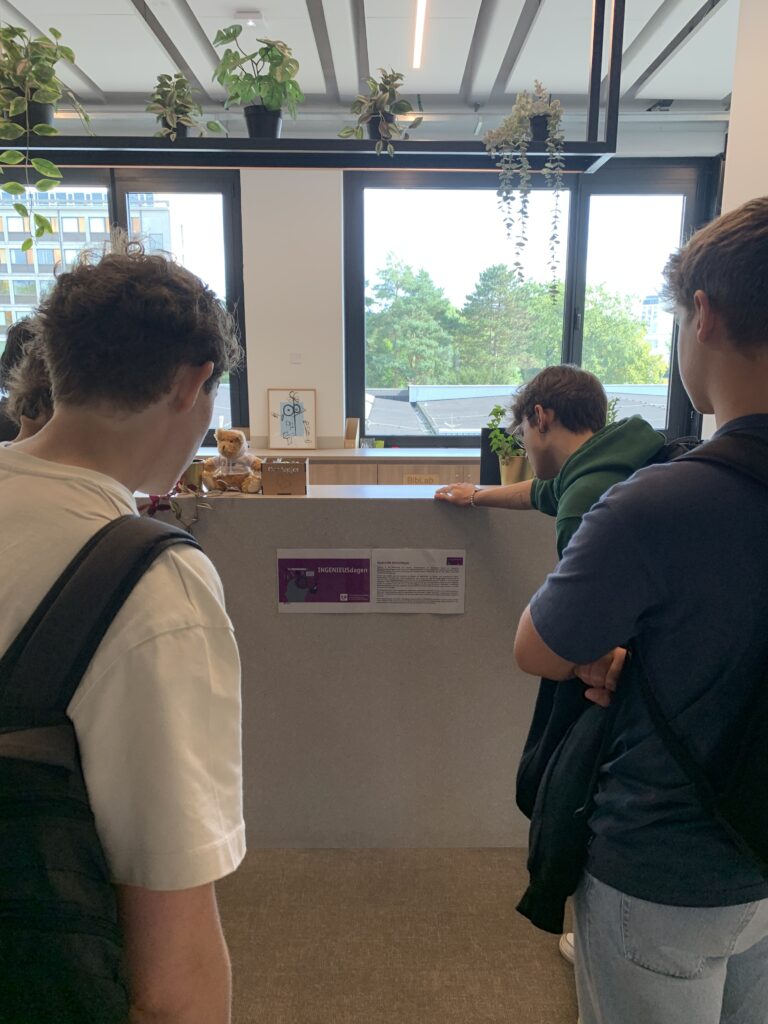
The Faculty of Applied Engineering combines opportunities to meet others with practical support. During the INGENIEUS days, new industrial engineering students explore the campus in small groups. Along the way, they get to know one another, discover what support is available during their studies, put together their study programme with guidance and enrol in courses and groups.
‘We combine getting to know one another with practical help’, says Cecilia Coppens, communication officer at the faculty. ‘That gives students more guidance from the outset and helps them make connections with fellow students straight away.’
A smooth transition for international students
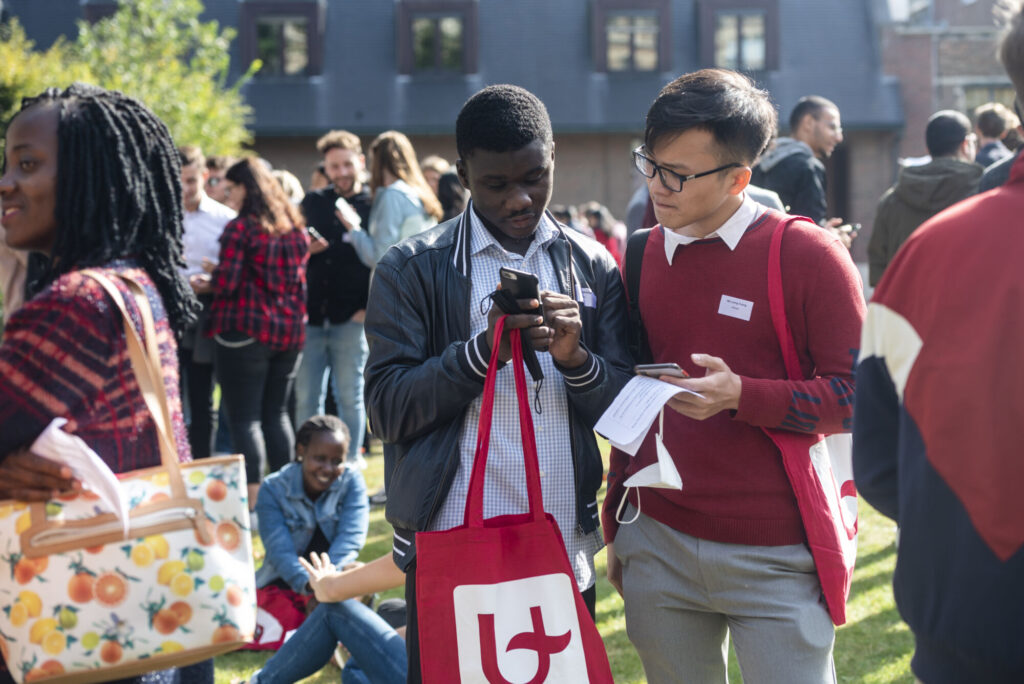
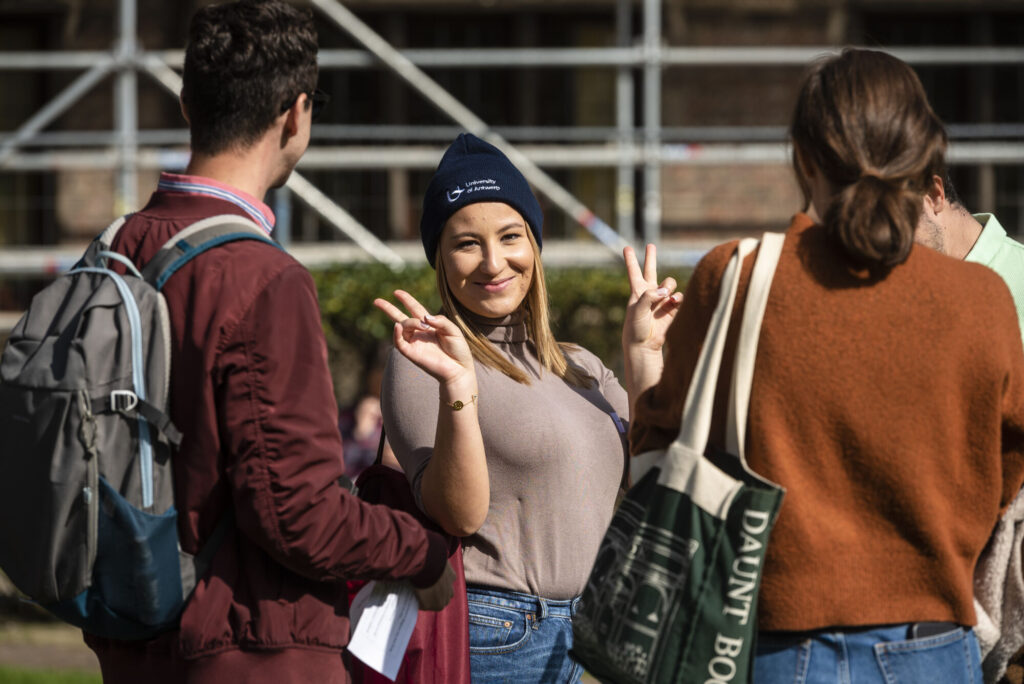
A warm welcome also means paying attention to the growing number of international students. The International Student Office, the International Cooperation Department and the faculties are therefore working together to provide a robust induction programme, including a Welcome Week for international degree students and the Orientation Days for exchange students. In this way, students build a network from day one that continues to grow during the many introductory activities organised by U stArt. Initiatives such as the Academic English workshops also help them to start out with confidence in an English-speaking academic environment.


Learning from feedback
The 2025 first-year student survey also shows that U stArt is making a difference: 82% of first-year students are familiar with the initiative. Almost half of respondents find it useful to have all the activities in one place, a proportion that has been rising for several years. Students who felt they had received little support (29%) generally said they had not used U stArt or didn’t know about it.
U stArt is continually adapted in response to student feedback. The team has already acted on the survey results. From this academic year, U stArt will be promoted more actively during welcome events and the first lectures. At students’ request, the starter page has been given a more appealing layout, and an introductory video has been made.
‘This year, we also gave new students a key ring with a QR code that takes them straight to the U stArt webpage,’ says Femme. The Faculty of Social Sciences also gives students a card with a QR code. ‘Every new bachelor and bridging programme student receives one, and we emphasise that they should keep it handy,’ says Miet.
A strong start takes teamwork
Giving students a strong start takes teamwork. Faculties, services and student associations each contribute in their own way. The Info Centre Student Support has also been expanded to help staff support students. Lecturers, teaching assistants and student counsellors can find information there about wellbeing, study guidance, support needs, coaching and existing student support initiatives. All colleagues are part of the wider effort to give students a warm welcome.
Mission accomplished
A strong start is about more than a single welcome day. It’s about helping new students find their way at university. The real goal lies further ahead. If, after their first few months, students know where to turn, have people they can rely on and feel at home at UAntwerp, U stArt has accomplished its mission.
Want to know more about U stArt?
You can find an overview of all activities on the website.
Want to help support new students? Take a look at the Toolkit Connection on Pintra.
Is your start-up activity not yet listed? Please let us know using this form.