

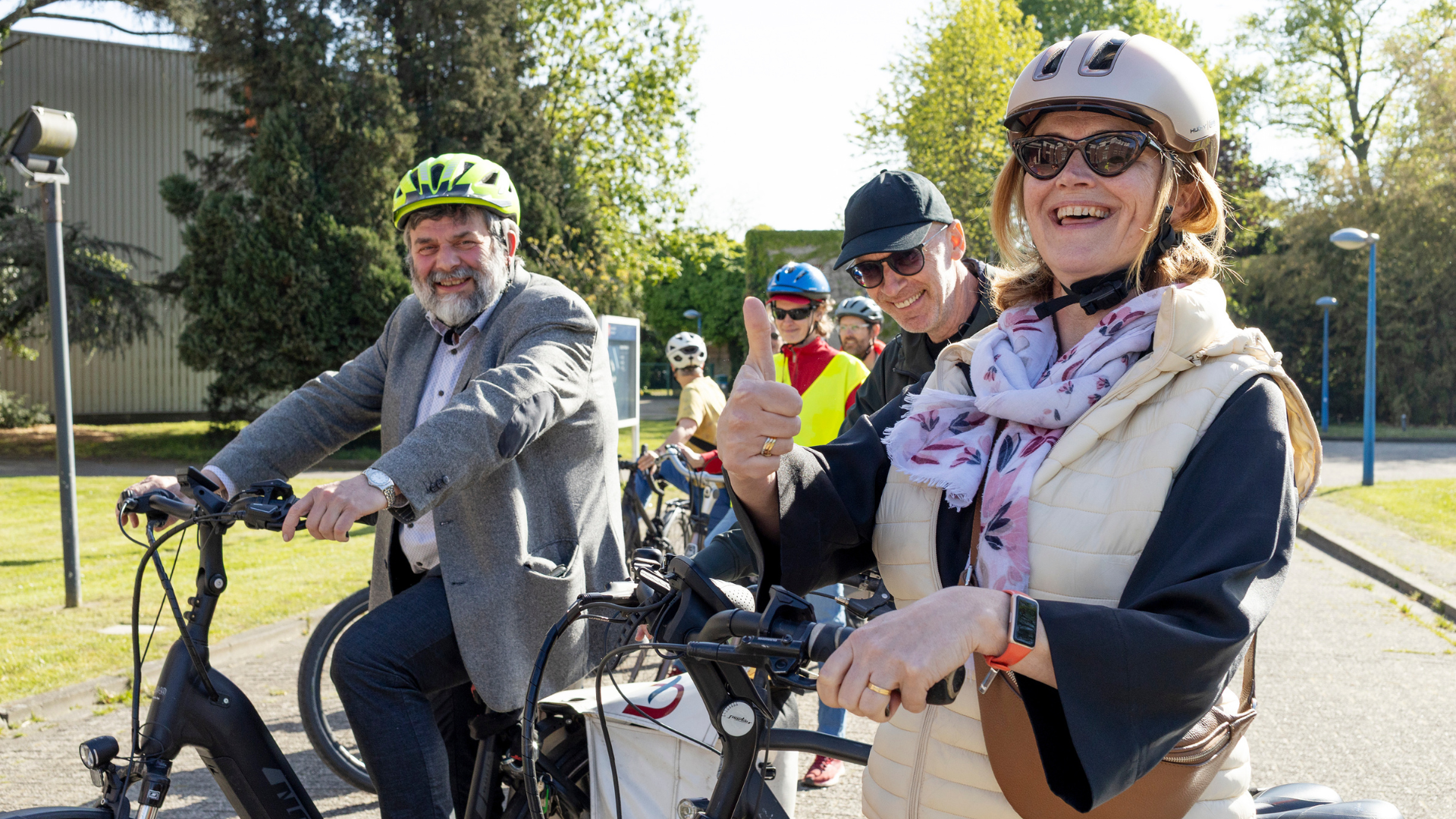
It’s no coincidence that students and staff cycle in such large numbers. On 24 April, the University of Antwerp put cycling centre stage to thank them. With the Bicycle Festival and a special edition of the Critical Mass Bike Ride, the university showed how cycling is part of campus life and why cycling safety remains important.
A festive meeting place on campus
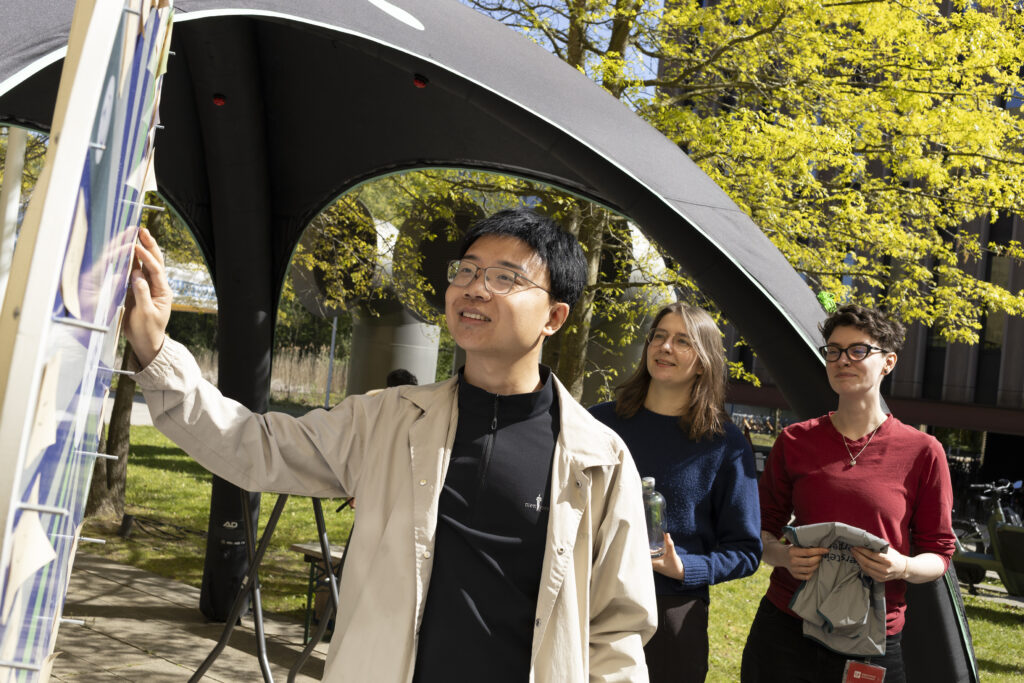
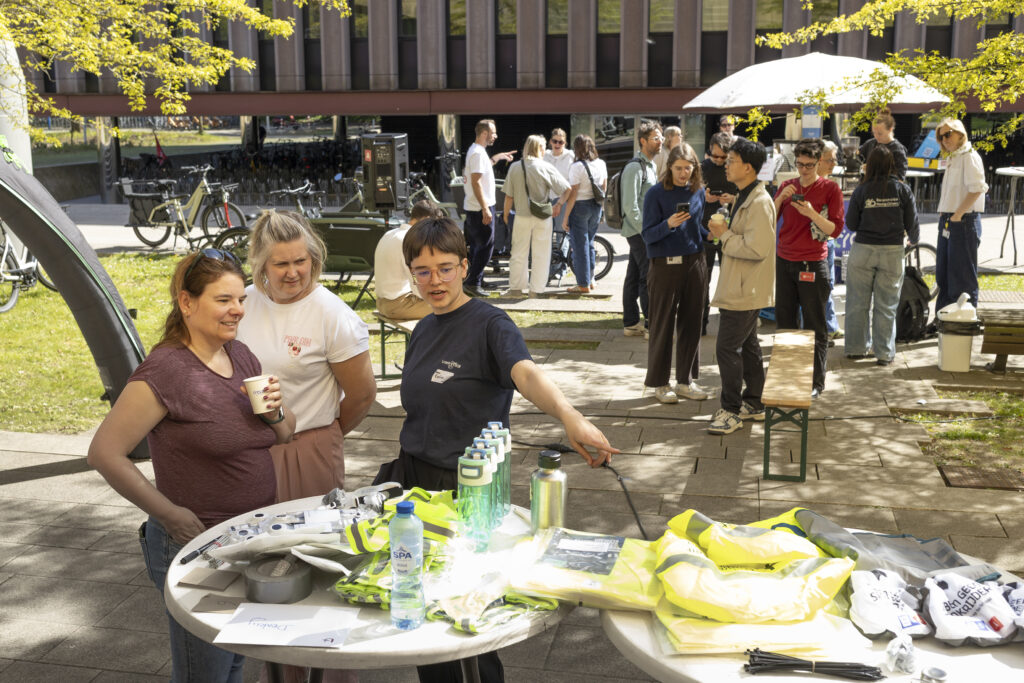
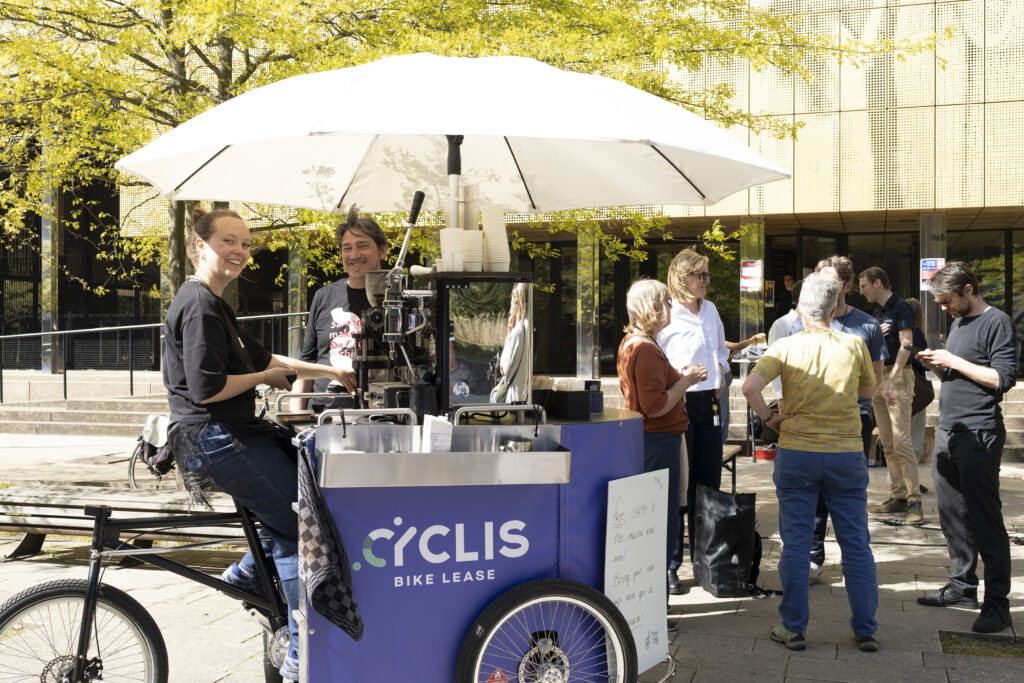
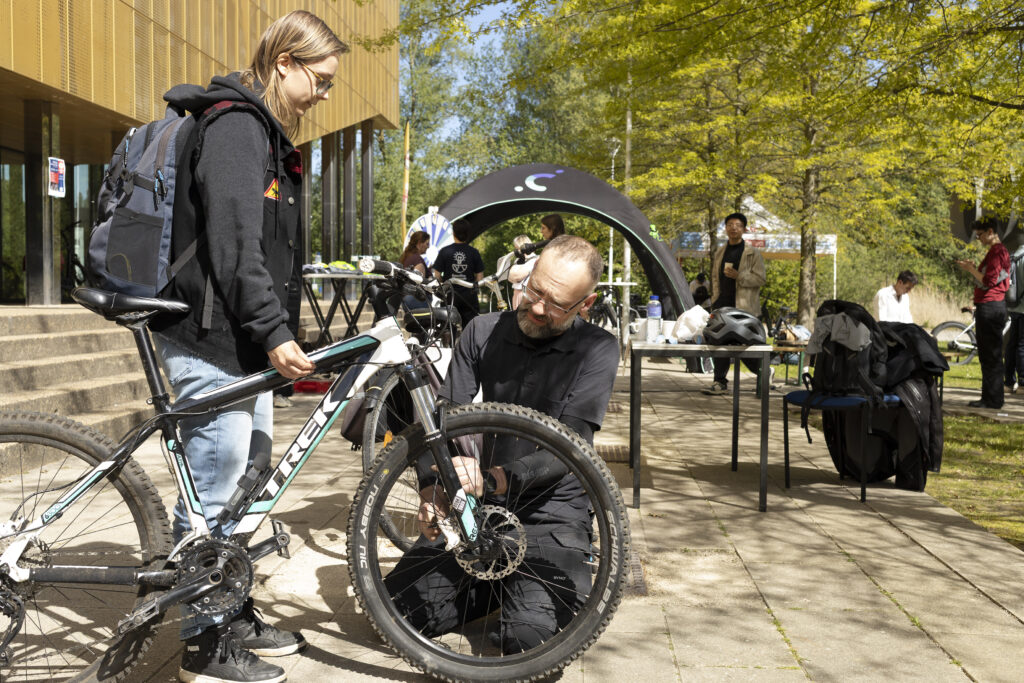
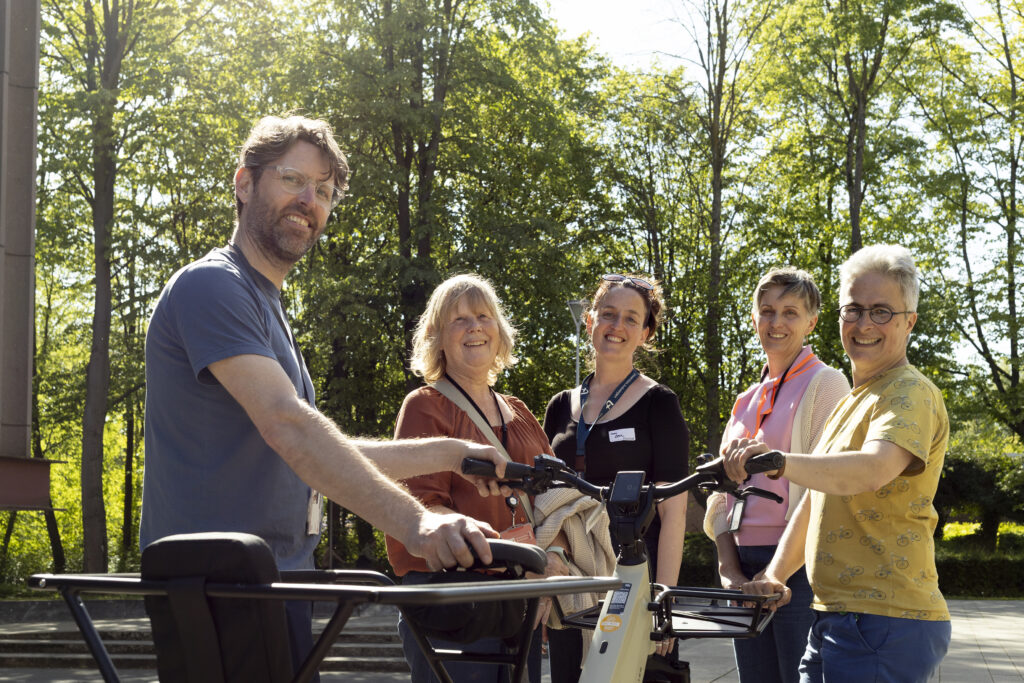
On 24 April, Campus Drie Eiken was transformed into a lively meeting place. Staff and students stopped by information stands, had their bikes repaired, or grabbed a coffee from the barista. Those curious about alternatives to their daily commute could get information about affordable bike leasing via the university or via the UAntwerpen Testkaravaan, which allows you to try out different types of bikes for a limited time.
The Big Connection project (De Grote Verbinding) was also present with a stand. Visitors learned how major construction works around Antwerp are creating new and alternative cycling routes towards our campuses.
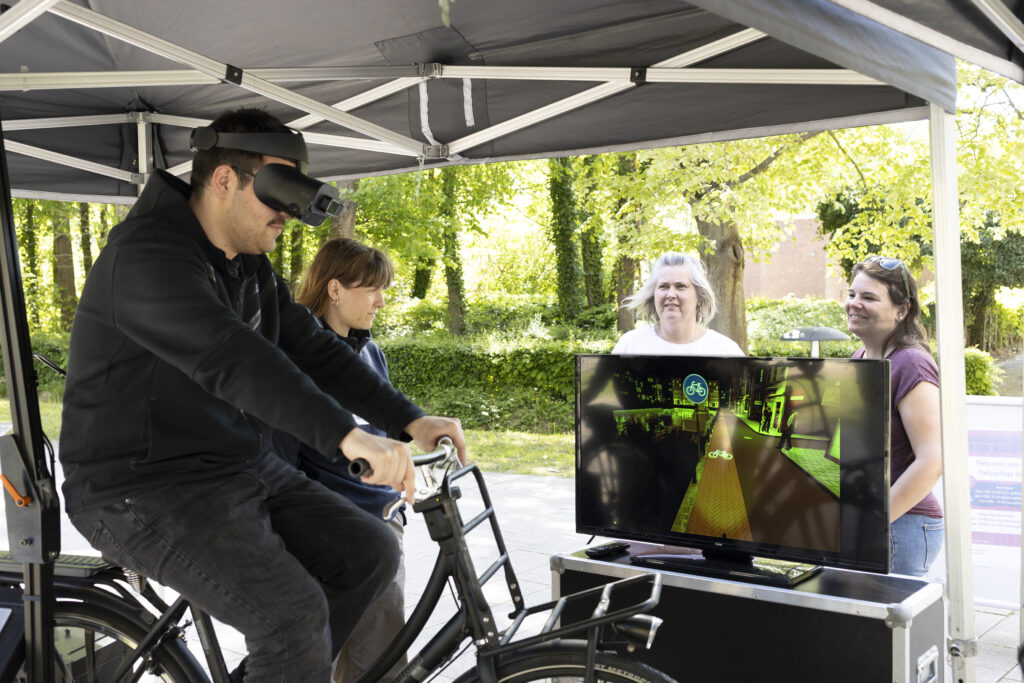
Cycling safety was addressed in a hands-on way. The VR headsets from Responsible Young Drivers showed how distraction and substance use affect behaviour in traffic. Participants could also refresh their knowledge of traffic rules by taking part in a traffic quiz. Around 400 people joined in and won prizes such as water bottles, first aid kits and Velo rides.
With the Bicycle Festival, we’re creating a festive meeting place for students and staff. At the same time, we want to show that sustainable mobility is essential for a liveable city and a healthy university, says co‑organiser Matthias Verstraeten (climate coordinator UAntwerp).
Cycling is in our university’s DNA
The Bicycle Festival was also a moment of recognition for all staff and students who cycle to the university. In 2025, 34% of students and 46% of staff travelled to campus by bike, together accounting for 23.5 million kilometres cycled.
The university makes ongoing efforts to improve comfort for cyclists, including bike parking, charging points and showers. With this first Bicycle Festival, the Environment Office, the Climate Team and the Green Office want to celebrate the university’s cycling success. At the same time, they aim to inspire others to choose the bike more often – not only because it’s practical, but also because it’s healthy, relaxing and sustainable.
Visible together in the city: the Critical Mass Bike Ride
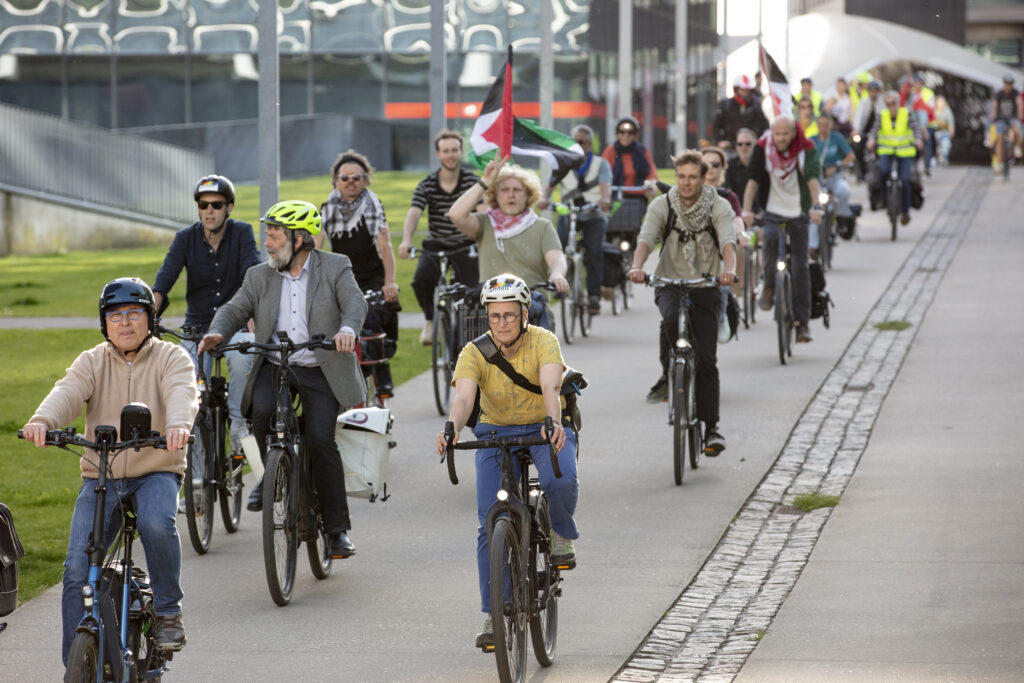
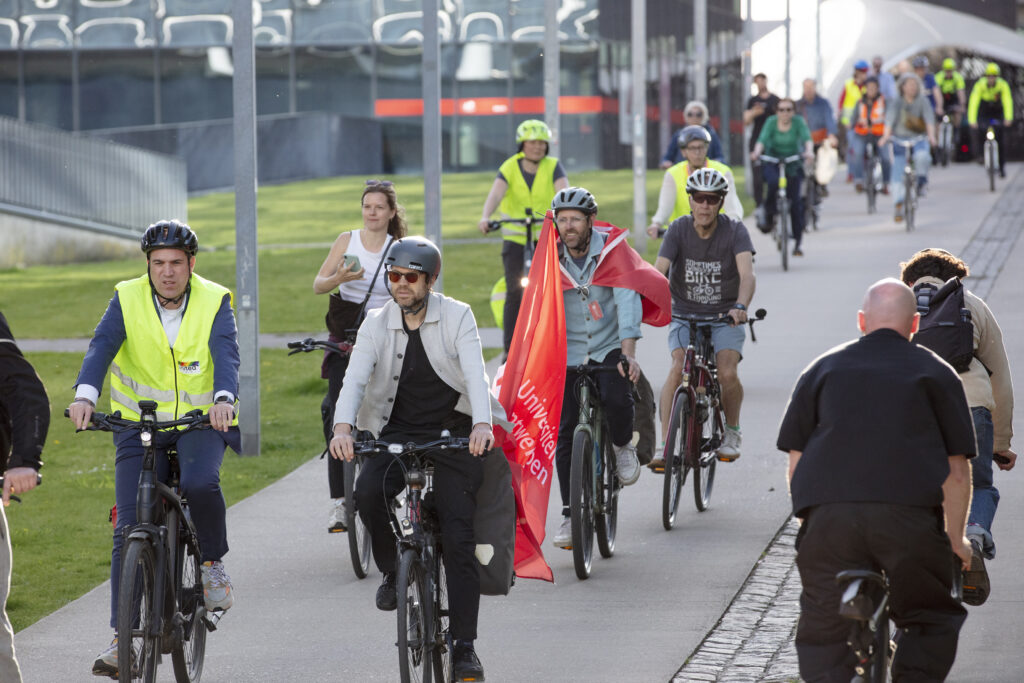
In the late afternoon, the focus shifted from the campus to the city. Under the banner United* by safer cycling, the University of Antwerp joined forces with all Antwerp University Association (AUHA) partners for a special edition of the Critical Mass Bike Ride aimed at students and staff from Antwerp higher education institutions.
The ride started at Campus Drie Eiken and passed several campuses. Along the way, additional cyclists joined at Campus Groenenborger and Campus Middelheim, before the group connected with the main Critical Mass Ride at Theaterplein.
Cycling together in such a large group made an impression: a long procession of high‑visibility vests, UAntwerp flags and United stickers made the group clearly visible in the city.
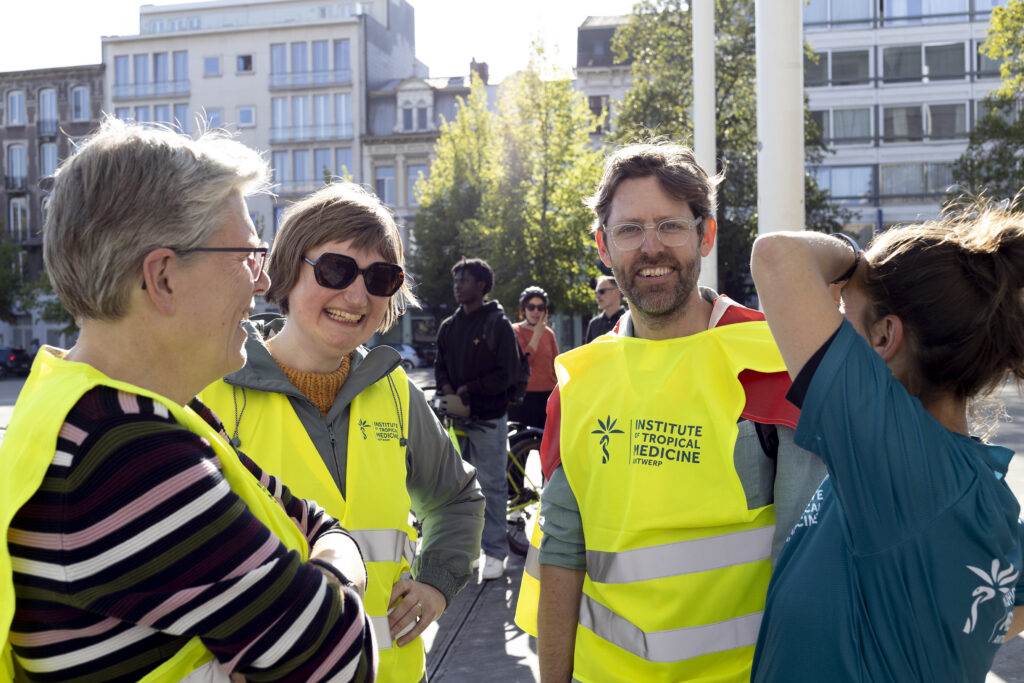
Among the participants were policymakers, staff and students from UAntwerp, including rector Herwig Leirs, vice-rector Steven Van Passel. Many cyclists from other AUHA partners – Karel de Grote Hogeschool, AP Hogeschool, Antwerp Maritime Academy and the Institute of Tropical Medicine – also took part.
Why cycling safety is central
By taking part in the Critical Mass Bike Ride, the university puts cycling safety firmly on the agenda. Safe connecting routes depend heavily on policy decisions by local and regional authorities.
Several campuses still face complex traffic situations and dangerous crossings. The growing number of cyclists has also led to an increase in accidents. By being visibly present in traffic as a group, UAntwerp wants to advocate for better infrastructure, such as clear signage, separated cycle lanes, low‑traffic streets and conflict‑free intersections.
Healthy, sustainable and safe cycling
The commitment of so many cycling staff and students contributes to a healthier and more sustainable university and city. With this initiative, the university wants to continue supporting and strengthening that choice.
At the same time, it sends a clear signal: our presence as a large group of cyclists matters. By cycling together and being visible together, the university also takes up its role in the wider mobility debate.