
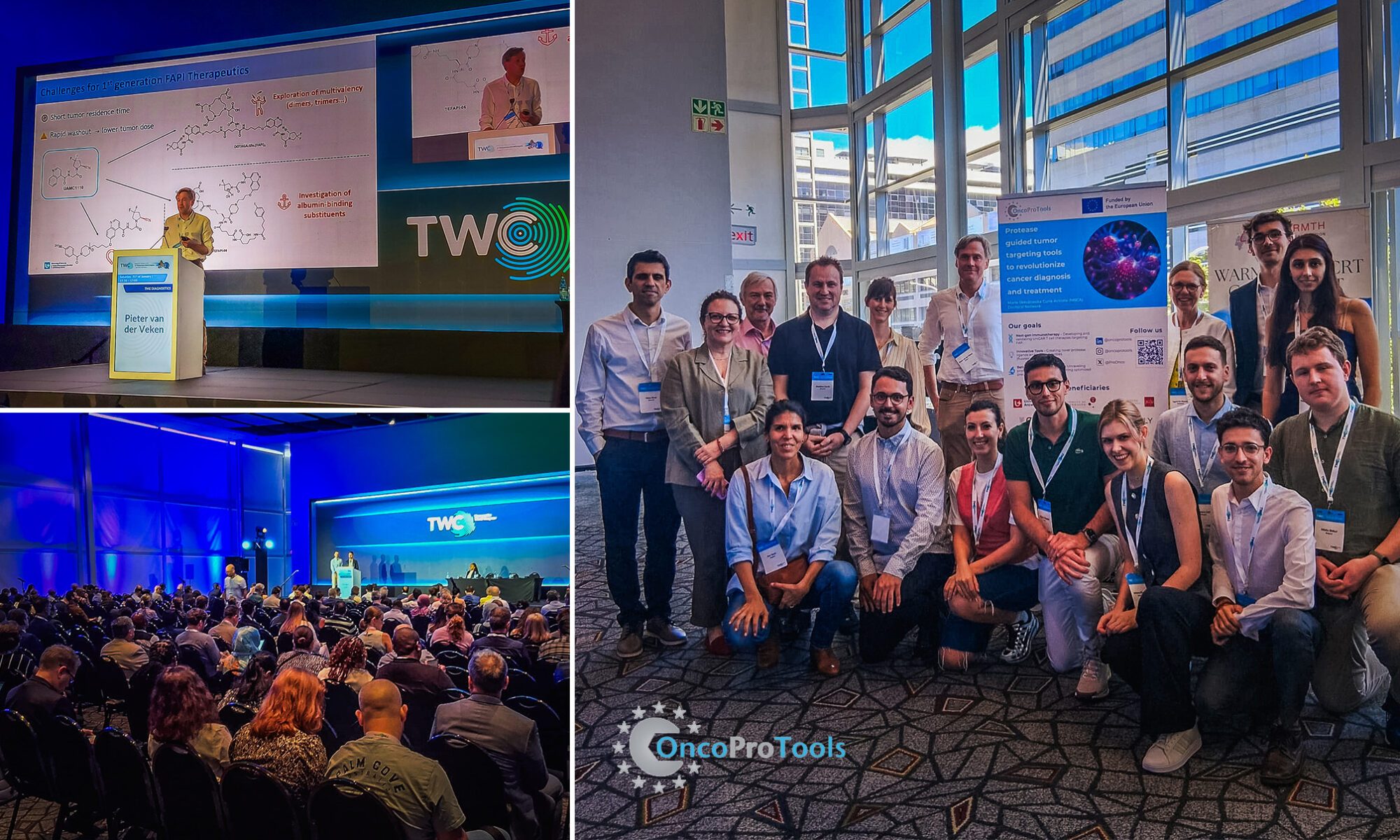
This year the 8th Theranostics World Congress (TWC2026) was held in Cape Town, South Africa. From 29th January until the 1th February 2026 the global scientific community gathered to reflect on advancing cancer diagnosis and therapy. The congress offered an excellent platform to share the result of the OncoProTools Doctoral Network, coordinated by the University of Antwerp.
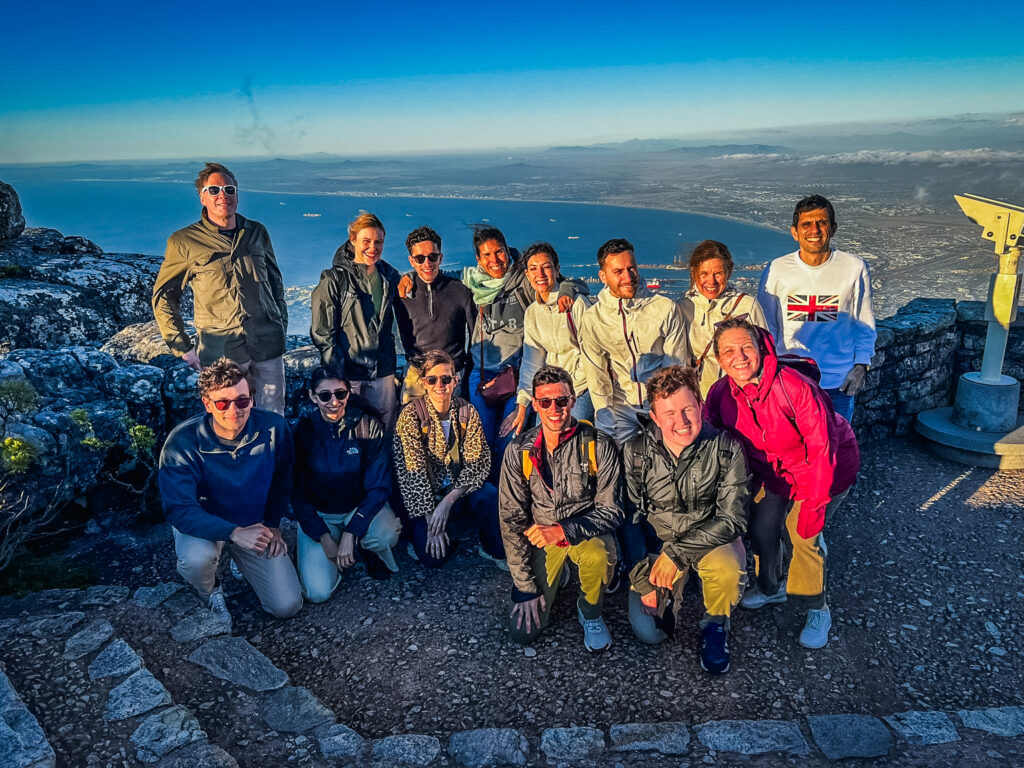
Among the leading voices at this prestigious event was a strong delegation from the University of Antwerp, representing the OncoProTools consortium. As the doctoral fellowships draw to a close in 2026, the consortium presented major outcomes of its joint research. Five PhD researchers and six principal investigators were invited to give talks and 11 OPT congress posters were presented.
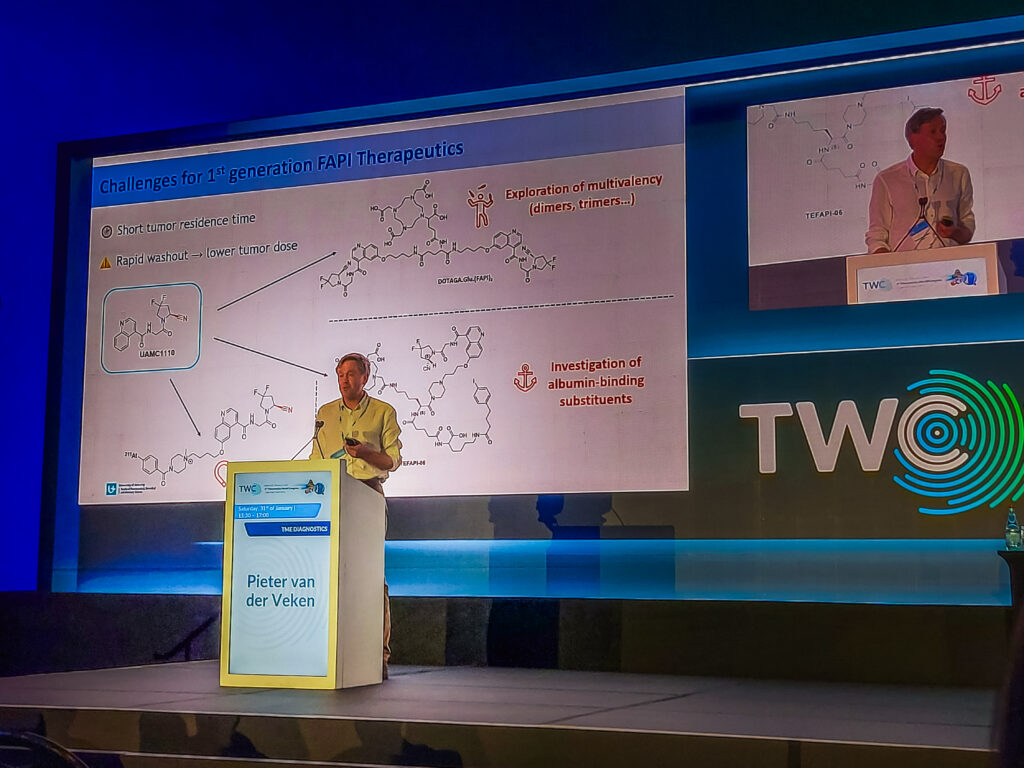
OncoProTools is a Marie Skłodowska-Curie Actions Doctoral Network (MSCA-DN) coordinated by the University of Antwerp, involving the laboratories of Medicinal Chemistry, Medical Biochemistry and Molecular Imaging and Radiology. The network is led by UAntwerp professors Pieter Van der Veken (coordinator), Ingrid De Meester and Filipe Elvas with the support of Paz Yanez and Maya Berg.
A doctoral network
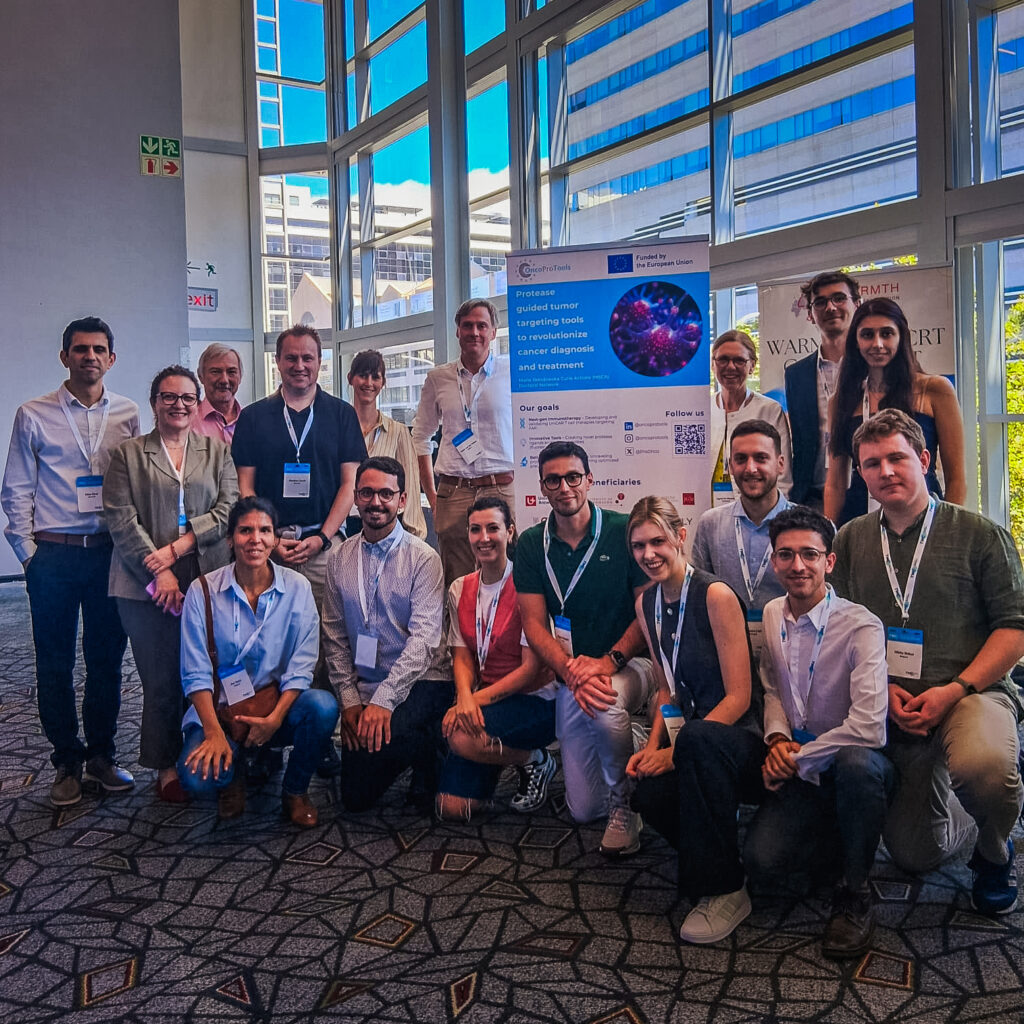
A doctoral network is a unique European collaboration where universities, hospitals and industrial partners join forces to tackle complex scientific problems while training the next generation of researchers. ‘This specific network focuses on the three I’s’, Prof. Van der Veken explains. ‘Intersectorality, interdisciplinarity and internationality.’ By bringing together seven beneficiaries, eleven associated partners from academia and industry, one hospital and Cancer Patients Europe, OncoProTools aims to force breakthroughs in oncotherapy by exploring protease-targeting technologies, with nine international PhD researchers currently enrolled in the program. ‘Unlike traditional methods that use large antibodies, this project focuses on small molecules that can penetrate tumors more deeply and efficiently to deliver diagnostics and therapeutics’, says Van der Veken.
Patient-centered
OncoProtools’ research has a clear translational focus. The patient-centered approach is part of the mission of the network. This was also clearly evident at the TWC2026 opening with a patient session. ‘This was really eye-opening for me’, Maya Berg explains. ‘We heard four testimonials from survivors, which highlighted not only the curative potential of radioligand therapy, but also its ability to stabilize non-curable cancers, thereby extending both patients’ lifespan and quality of life.’
‘It is very important that the next generation of oncology researchers are not only very well scientifically trained’, Van der Veken adds. ‘But they also need to be socially engaged researchers who can communicate effectively with their patients and the public.’
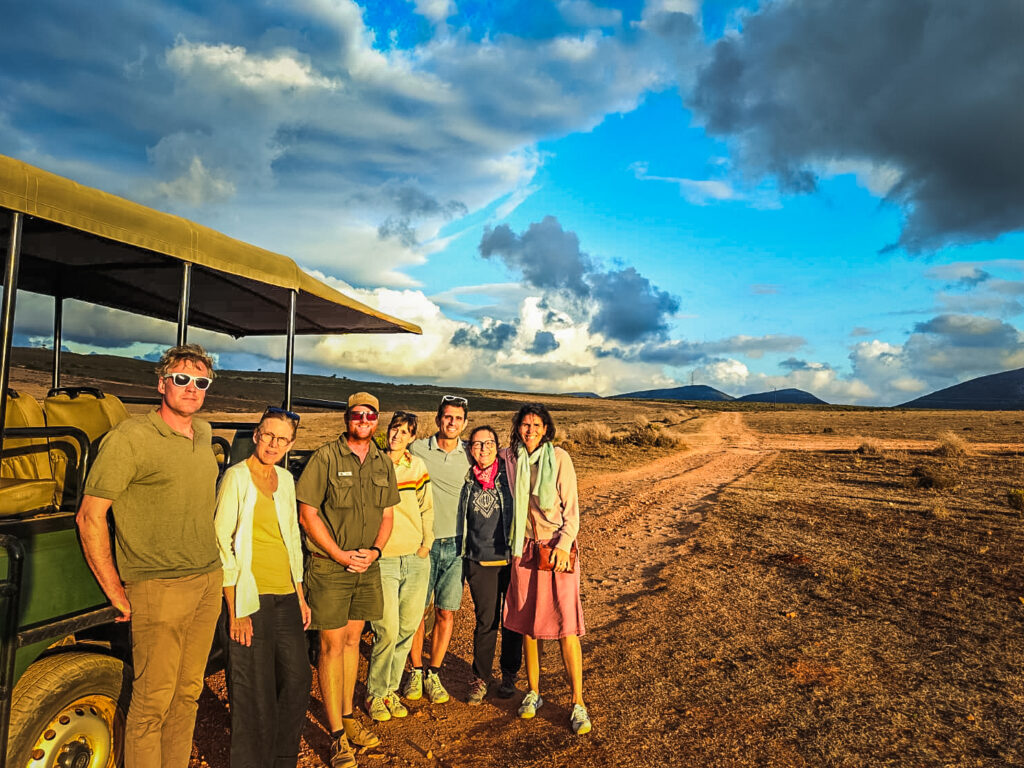
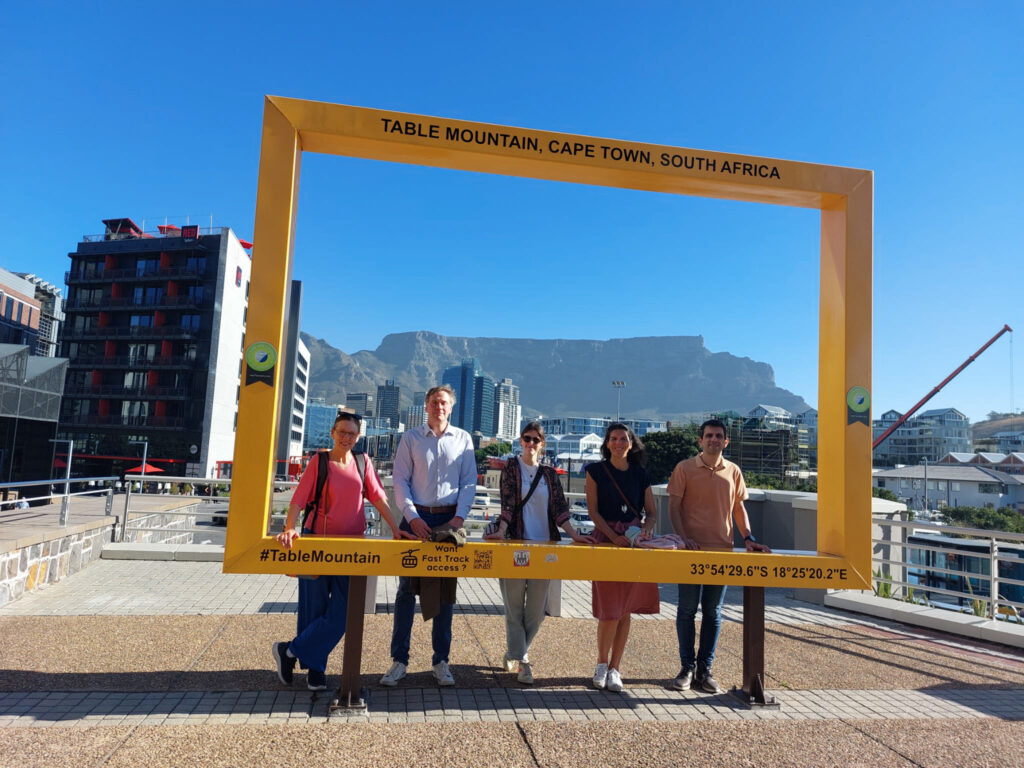
In addition to the scientific sessions, the meeting also provided opportunities for networking, informal exchange and team building. Participants enjoyed a social evening at a oceanside restaurant at the foot of Table Mountain and the UAntwerp team even took part in a mini-safari, hoping to spot South Africa’s iconic Big Five.
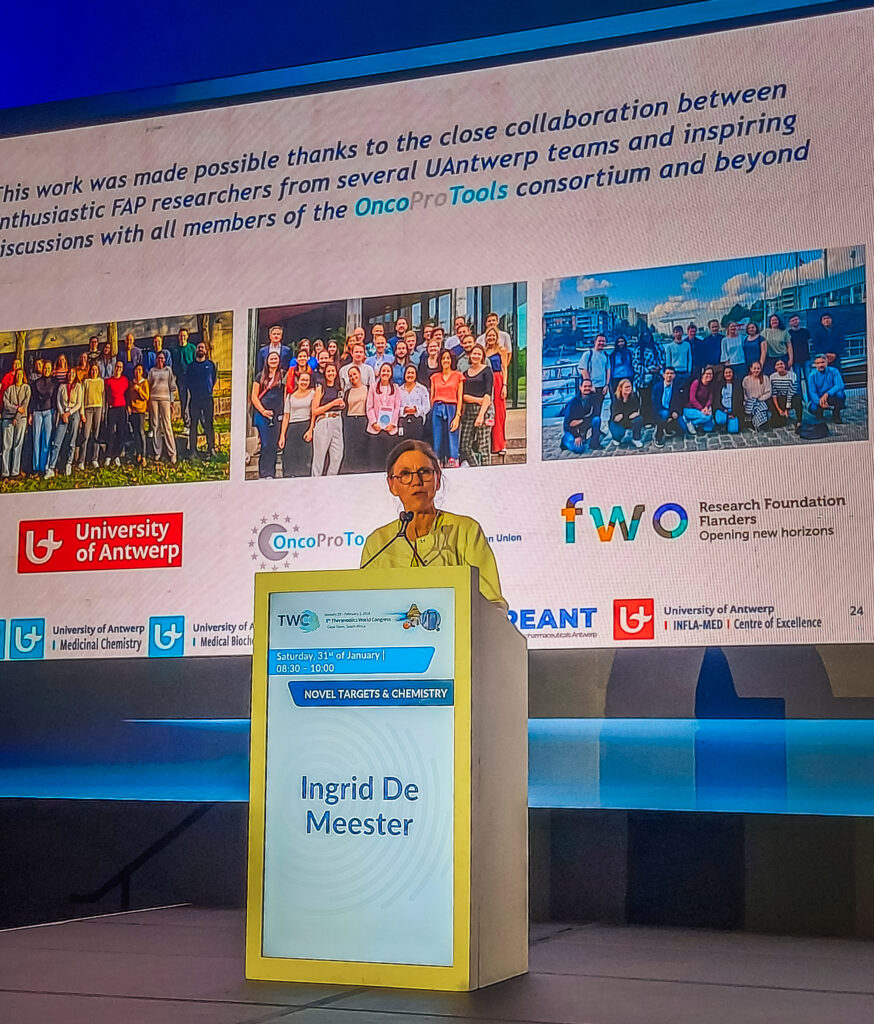
Building on this momentum, the OncoProTools partners are looking ahead to future funding applications to continue this highly productive and interdisciplinary collaboration. ‘The World Theranostics Congress gave a boost to even intensify collaboration on Fibroblast Activation Protein (FAP) collaborations with the Faculty of Medicine and with scientists from all over the world’, Prof. Ingrid De Meester concludes.