
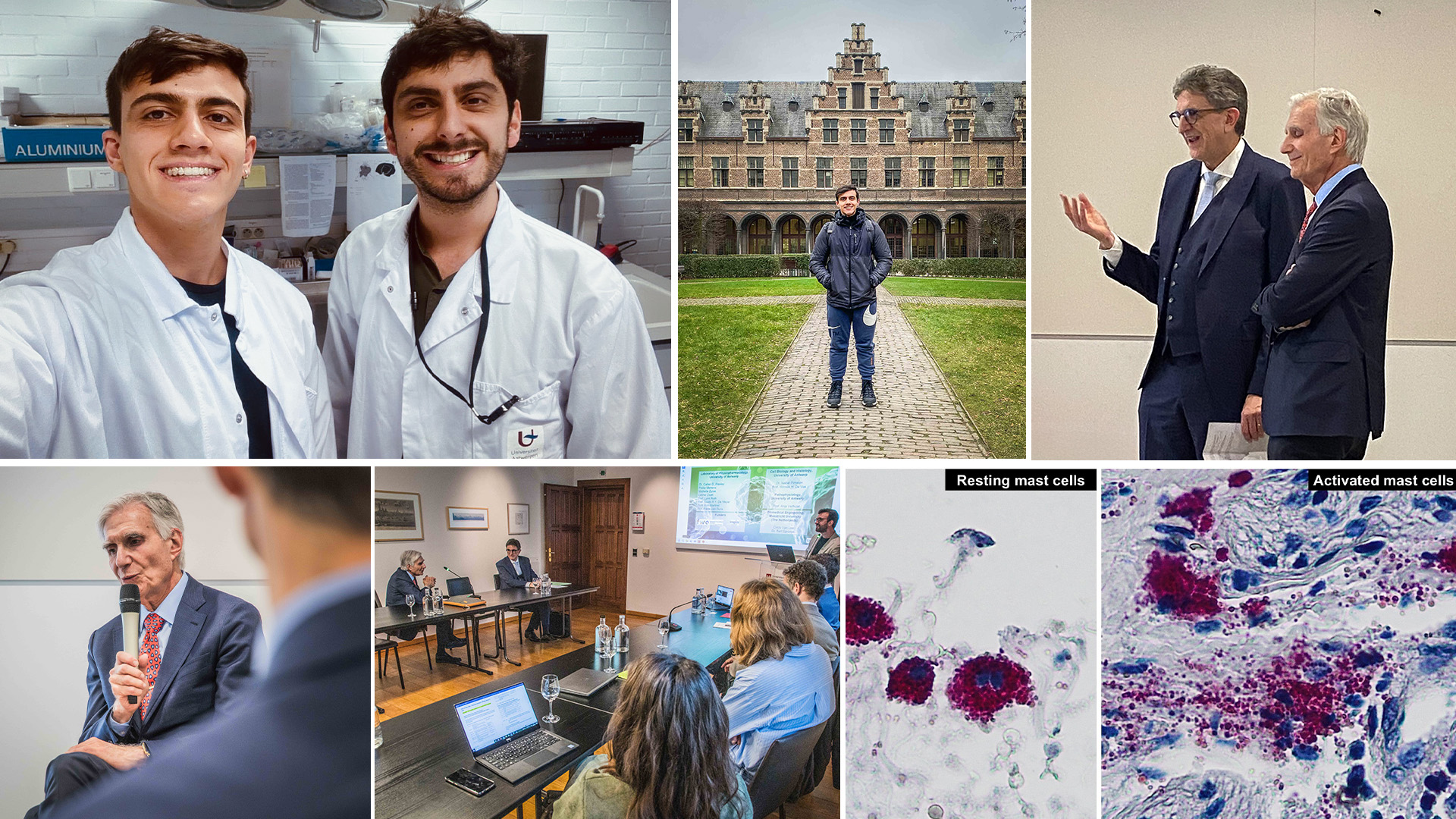
Scientific research thrives on the exchange of ideas across the world, it should not be confined to the laboratories of a single institution. The University of Antwerp embraces this vision and strongly invests in international programs. A beautiful example of this mindset is the journey of Gabriel Bueno dos Santos, a medical student from São Paulo, Brazil.
The Researchers of the Future (R4F) program is an exchange program developed at the Santa Casa de São Paulo School of Medical Sciences. After a rigorous selection process, a small number of students are given the opportunity to learn firsthand how scientific research develops abroad. Through the R4F program, Gabriel came to the University of Antwerp. ‘I learned a great deal about laboratory dynamics, scientific discussion, and academic culture’, Gabriel explains. ‘I had the privilege of interacting with many inspiring scientists from the Department of Pharmaceutical Sciences and receiving excellent mentorship from Dr. Leonardo Martin and Prof. Guido De Meyer.’
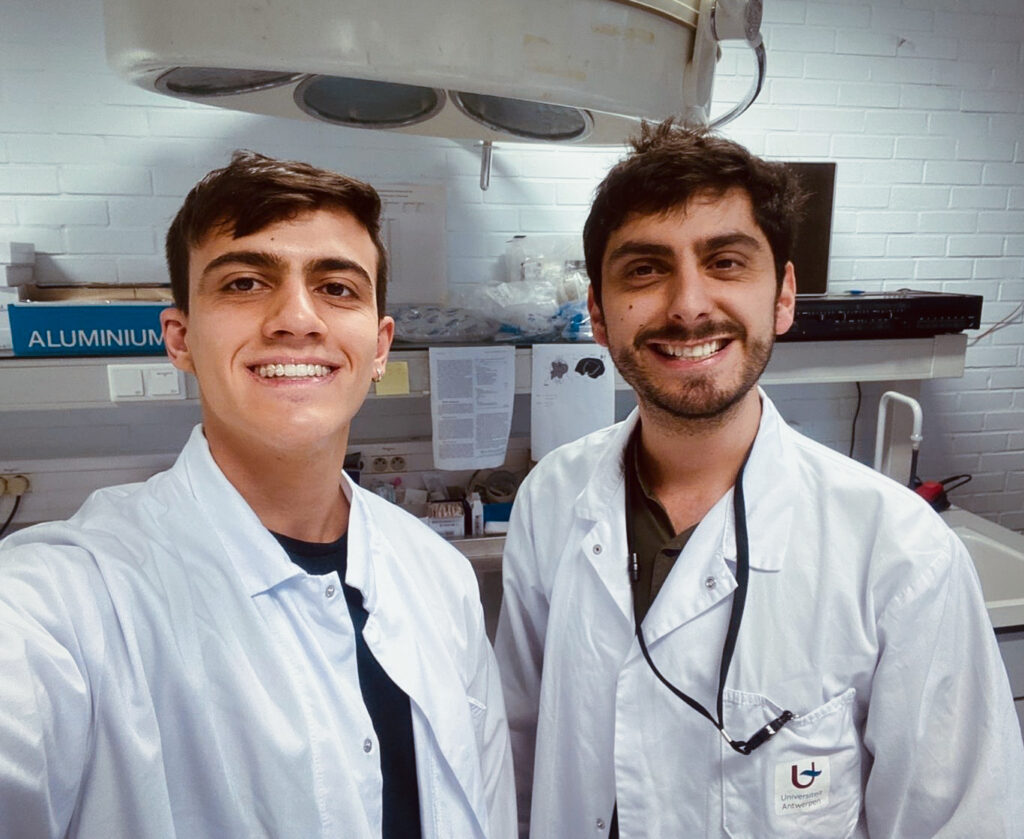
Together with researchers from the Physiopharmacology Group Gabriel started writing a review paper examining the role of inflammation and mast cells in cardiovascular disease. The initial draft has evolved into a new international review article published in Progress in Cardiovascular Diseases in collaboration with Prof. Peter Libby, a renowned cardiovascular specialist at Harvard Medical School.
International collaboration
The work was developed through a coordinated international collaboration involving experts from Belgium, the Netherlands, the United States, and Brazil. The 2025 Visiting Professorship of Professor Peter Libby at the University of Antwerp, made possible by the Princess Lilian Foundation and coordinated by Prof. Guido De Meyer, provided an important scientific framework for the review paper. In addition, the ERA.NET consortium CARDINNOV MASTer fostered collaboration between Leiden University and the University of Antwerp, represented by Prof. Ilze Bot and Dr. Kanhai.
Beyond the data and publications, these programs build lasting bridges between research communities. Gabriel’s experience has led to ongoing collaborations, including his return to Europe later this year. By fostering these scientific journeys, institutions ensure that the next generation of scientists is equipped with the technical skills and global perspective necessary to drive innovation. ‘Exchanges like this help students see science as a universal language, one that connects clinical questions from Brazil with mechanistic insights developed here in Europe’, concludes Dr. Leonardo Martin.
Gabriel’s journey shows what becomes possible when curiosity meets opportunity. His commitment transformed an international exchange into meaningful research with global impact. Early engagement in international research can shape both a scientific career and a broader worldview. This mindset of seeking mentorship and embracing collaboration can help our students build the next generation of passionate researchers, embedded in an international scientific community.
Mast cells in cardiovascular disease
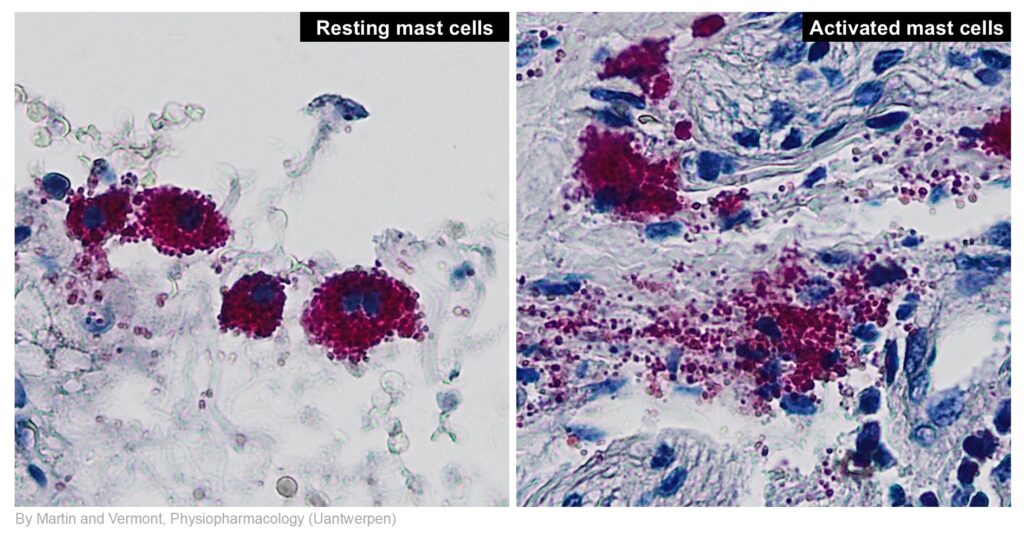
The research conducted by the Physiopharmacology Group (PhysPhar) at the University of Antwerp, in collaboration with international partners, explores the critical link between inflammation and cardiovascular remodeling. A key focus is the role of mast cells, a type of immune cell traditionally associated with allergies, which are now recognized as active regulators of structural changes in the heart and vasculature.
The published review paper synthesizes evidence showing how mast cell mediators, specifically tryptase and chymase, influence three vital processes: fibrosis (tissue scarring), angiogenesis (blood vessel growth) and atherogenesis (plaque buildup). By understanding how these cells trigger an immune response, the research team can identify therapeutic opportunities to limit maladaptive remodeling while preserving the body’s natural repair mechanisms.
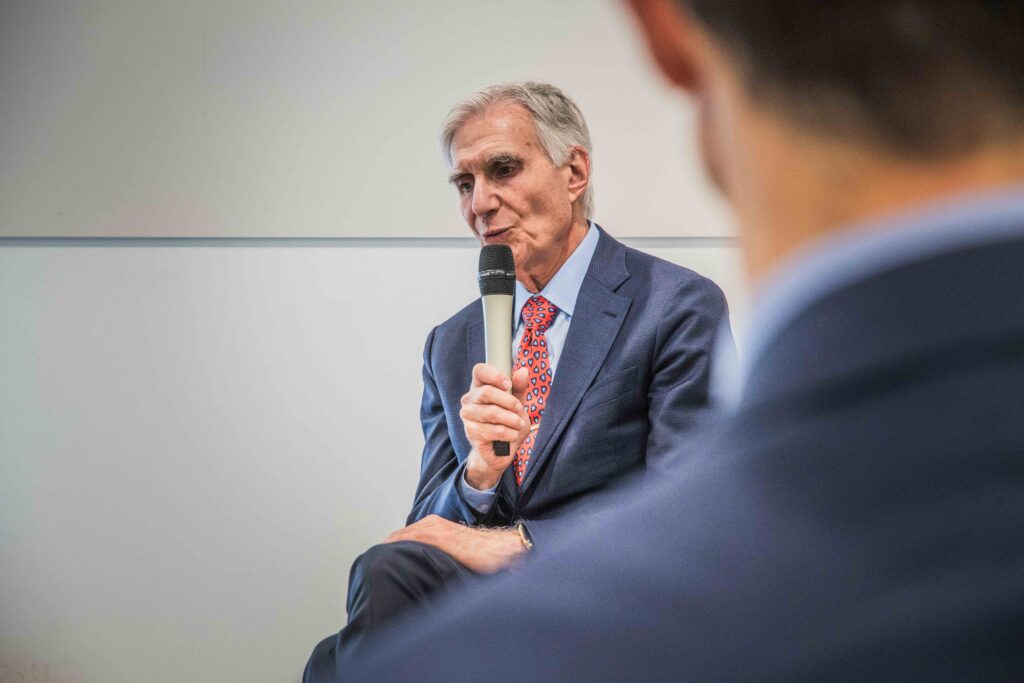
Prof. Peter Libby on the importance of international collaboration.
As the 2025 Visiting Professor of the Princess Lilian Foundation, Prof. Peter Libby toured the major Belgian universities to meet and engage with young scientists.
Starting at the hosting university in Antwerp Professor Libby discussed a career in science, international collaboration and the importance of science communication.