

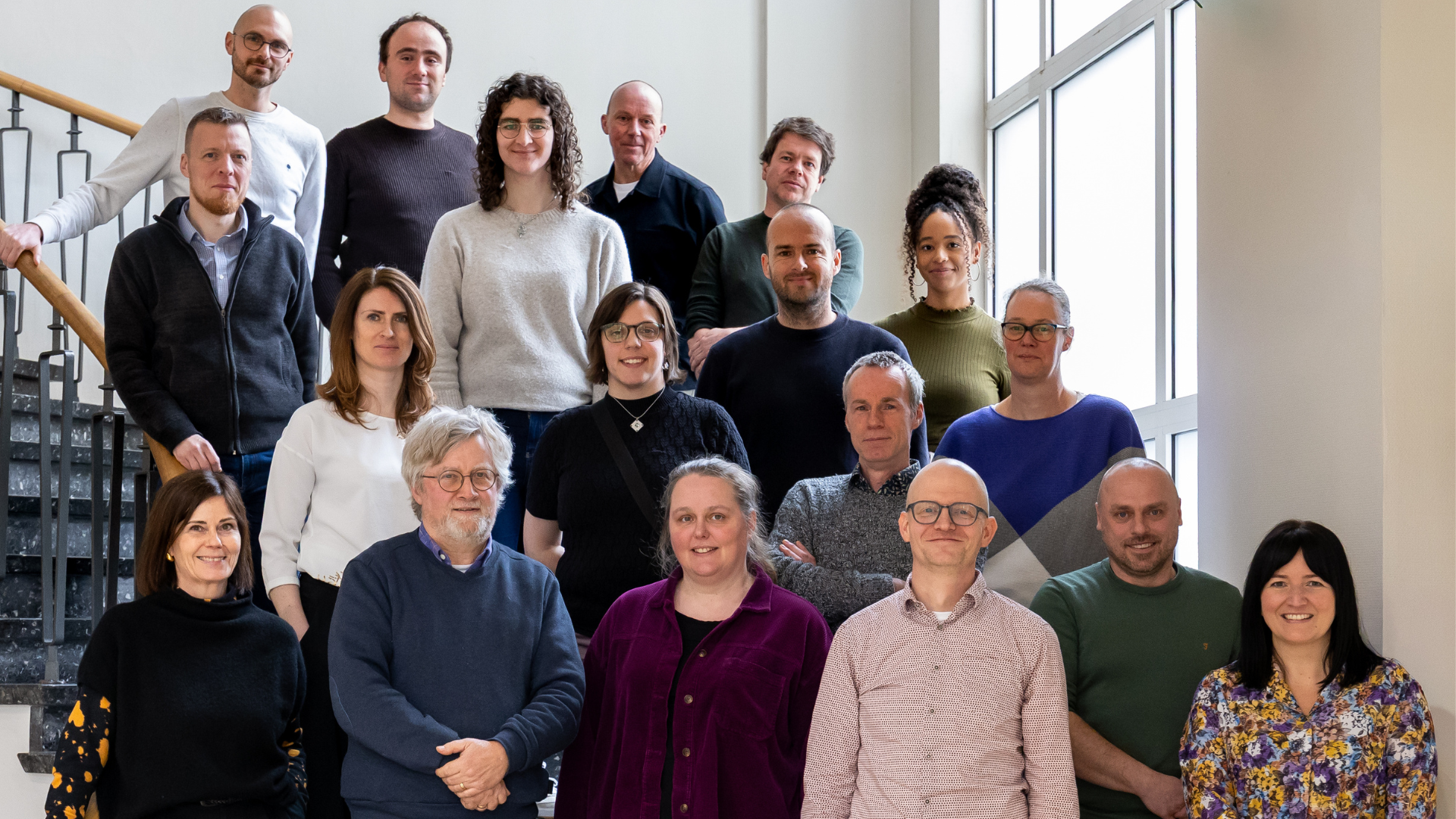
Did you know that UAntwerp has been developing its own software for institutes of higher learning, heritage institutions and museums in Belgium and abroad for more than 25 years? What started as a collaboration between five partners has grown into a unique network and a powerful set of digital solutions. For many years, these were known as Anet and Brocade. With the name change to Wander, that story is now more visible than ever. Head of service Véronique Rega explains why this change is happening and what it means.
When did the university start developing software for libraries?
In the mid-1980s, UAntwerp, Hasselt University and the Hendrik Conscience Heritage Library decided they wanted to build a single catalogue together in order to work more efficiently. If one partner had already catalogued a book, another wouldn’t need to repeat that work. That network was given the name Anet, while the library software we developed in-house was called Brocade.
Why the name Brocade?
Well, that’s a funny story. While driving on the Antwerp ring road, the developer at the time and the head librarian saw a lorry with the name ‘Brocade’ on the back. They wondered out loud whether that might be a good name. So Brocade came about purely by chance – there was no branding story behind it.
What exactly does Brocade software do?
What started as software for libraries has since become much more than that. Today it’s used to manage heritage, art and archival collections, institutional repositories with research output, and even reservation systems such as Take a seat and Book a Thing.
Who uses this software?
What many people don’t realise is that this software isn’t only used at UAntwerp, but also at around thirty other institutions in Flanders. The main users are librarians and archivists. End users such as researchers or students hardly notice any of this. They simply work with a catalogue or system in the house style of their own institution, with Brocade software running behind the scenes.
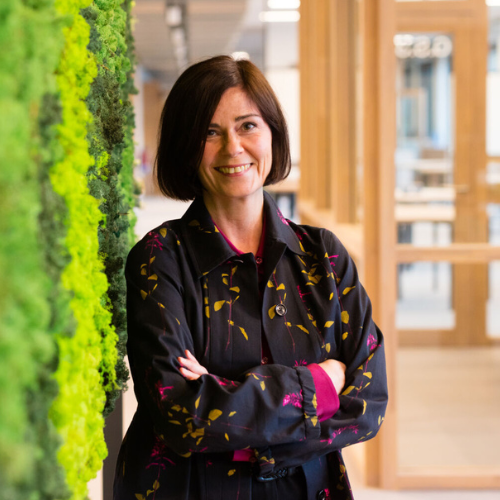
We’ve built this unique software ourselves, not to make a profit, but to keep innovating. Our goal is clear: to offer accessible, reliable and affordable digital solutions in the heritage and research domain.
– Véronique Rega
So why the name change?
There are actually two reasons for this.
First, there are two Brocades on the market, which is confusing: our software and an older version (4.5) that has been owned by Cipal-Schaubroek since 2013. Whereas they didn’t continue developing that software, we did do so within Anet. Our Brocade software has now reached version 6.80 and is fully tailored to the needs of our partners.
Second, the name no longer reflects who we are. The word ‘brocade’ refers to a heavy, luxurious fabric from the Middle Ages. Exclusive, expensive and elitist. We want to be the exact opposite: accessible, affordable and inclusive, including for small heritage institutions or organisations with limited resources.
Why is the software now called Wander?
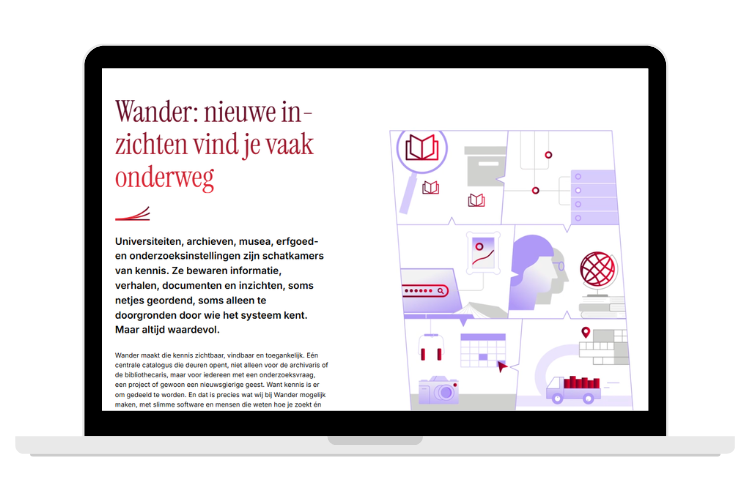
Wander evokes images of walking around, discovering, crossing paths, and a world opening up. That fits perfectly with what we do: helping people find information, research and collections.
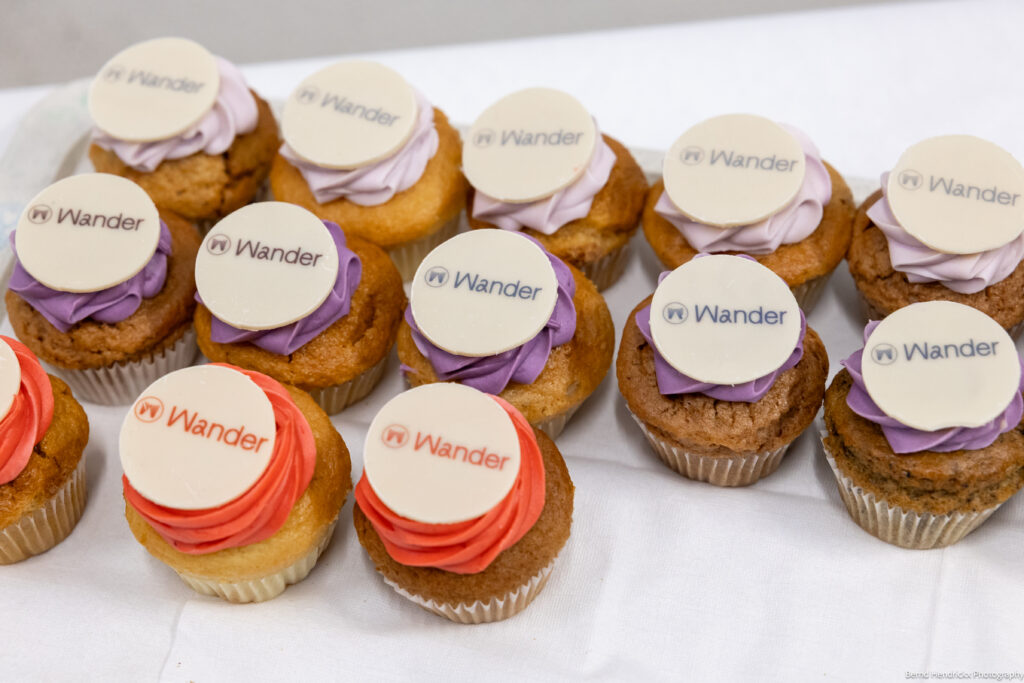
The name emerged after an intensive process with the team. Everyone needed to be able to identify with it. So from now on, we’ll talk about Wander, the Wander solutions and the Wander community, akaWanderers. The names Anet and Brocade are set to disappear. The Anet service is now becoming the Digital Solutions service within the Department of Library & Archives.
For end users, nothing will change: catalogues and front ends will remain as they are, in the house style of the institutions.
Why is this something to be proud of as a university?
Because it shows one of UAntwerp’s key strengths: collaboration and interdisciplinarity. The Wander community consists of more than 30 partners. Librarians, archivists, researchers, developers and heritage professionals work together on solutions that no one would be able to build on their own.
Many universities purchase software. We’ve built this unique software ourselves, not to make a profit, but to keep innovating. Our goal is clear: to offer accessible, reliable and affordable digital solutions in the heritage and research domain.
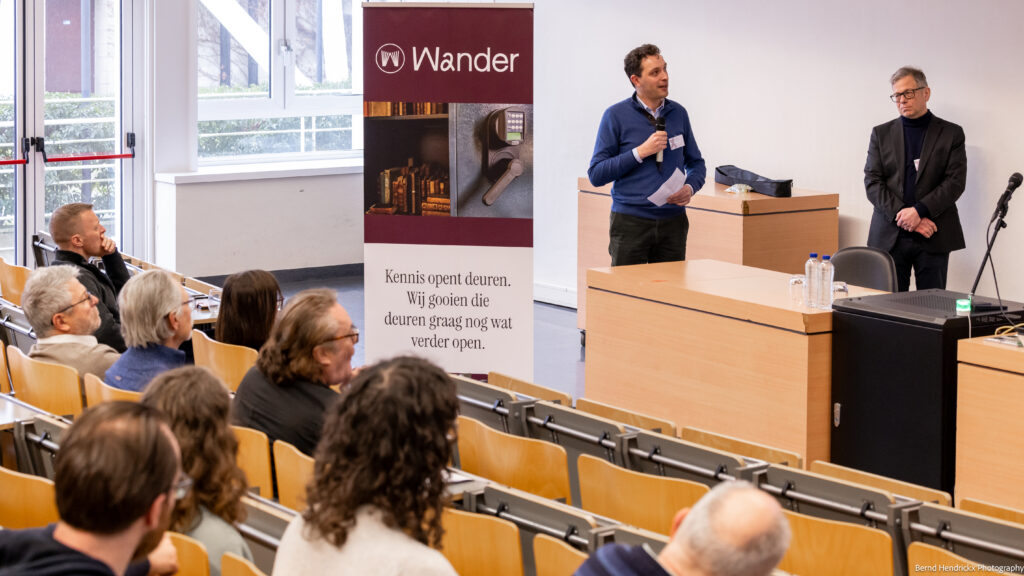
What does the future hold for Wander?
New partners are always welcome, but our main aim is simply to keep doing things well: continuing to support our current partners, further developing our products, making time for experimentation – for example with AI – and remaining affordable, even for the smallest players.
Finally, what do you hope colleagues will take away from this interview?
That there’s a team at UAntwerp quietly doing something special, and that this is something to be proud of.
Want to know more?
Visit wander.be to admire this new software gem.