

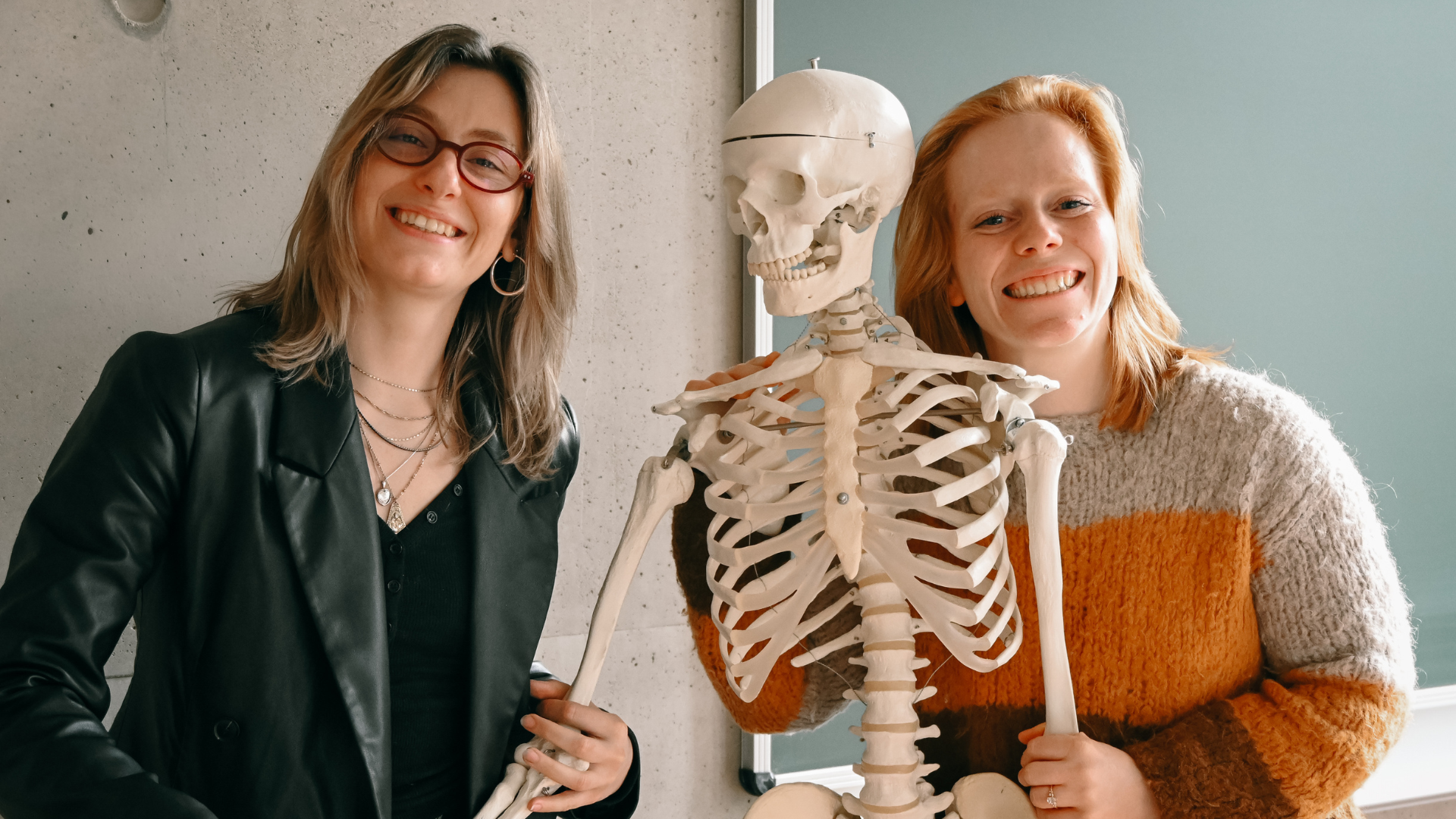
Internationalisation doesn’t have to mean packing a suitcase for a semester abroad. At UAntwerp, internationalisation is taking shape this academic year through seven Blended Intensive Programmes (BIPs), spread across different faculties. Students and lecturers from different countries learn with and from each other.
International learning, embedded in the study programme.
Blended Intensive Programmes (BIPs) are relatively new within Erasmus+. They combine an online exchange with a short exchange in person. This means students don’t have to go abroad for months to learn how to work there.
Internationalisation can instead come to the study programme, the lecturer and the campus. This is a clear added value for UAntwerp. Internationalisation does not become an extra layer within the subject, but an integral part of the learning experience. Students are introduced to other perspectives, methods and ways of thinking. This ensures new insights, as what seems familiar suddenly becomes less obvious.
Different perspectives, new insights
This became visible, among other things, in the BIP River 21 (Institute for Environment and Sustainable Development), in which students collaborate on integrated and cross-border river management, using the Scheldt as a case study. This took place through lectures, field visits, and discussions with professionals who work on water management in practice.
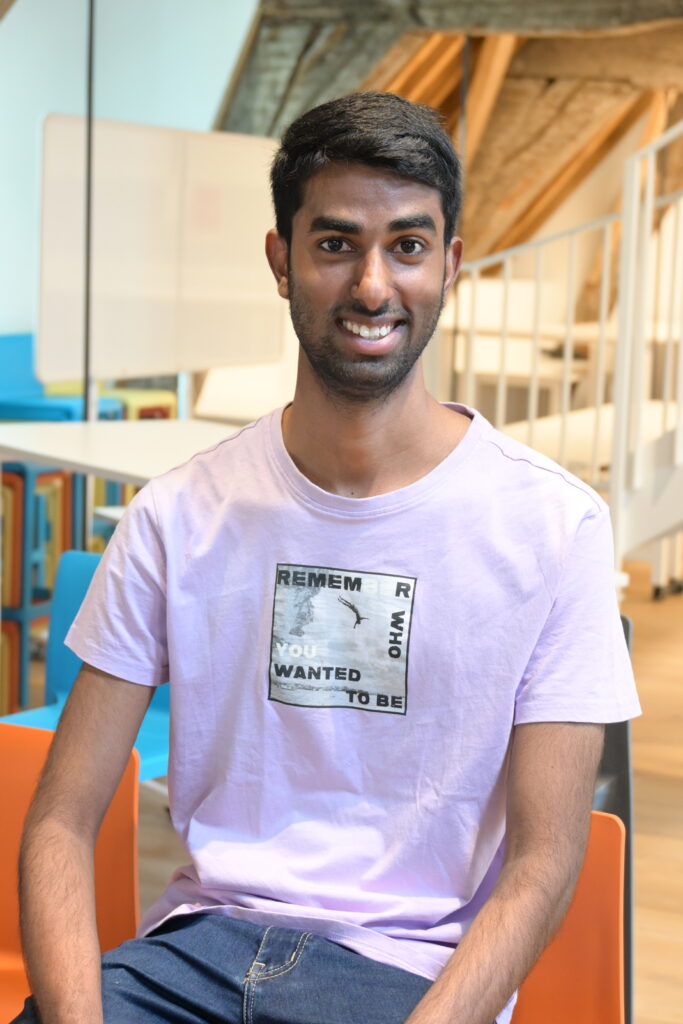
‘The added value lay in the multiplicity of perspectives. Water management means something different in a country with high population pressure and pollution problems than it does in a country where the water quality is so good that people can drink from a lake. Above all, I take away hope for the future: the solutions exist, it comes down to political will.’
– Bharath Kannan (India, YUFE partner University of Eastern Finland)
UAntwerp students also noticed the effect of the international setting. Hendrik Schepers saw how international students asked different kinds of questions. Jules Bonte discovered the different ways students from Ireland and Croatia search for sources, build presentations and put together a joint result. Internationalisation therefore becomes a concrete exercise in collaboration. Not everyone starts from the same logic, and that’s precisely what makes it interesting.


Practice-oriented and intensive collaboration
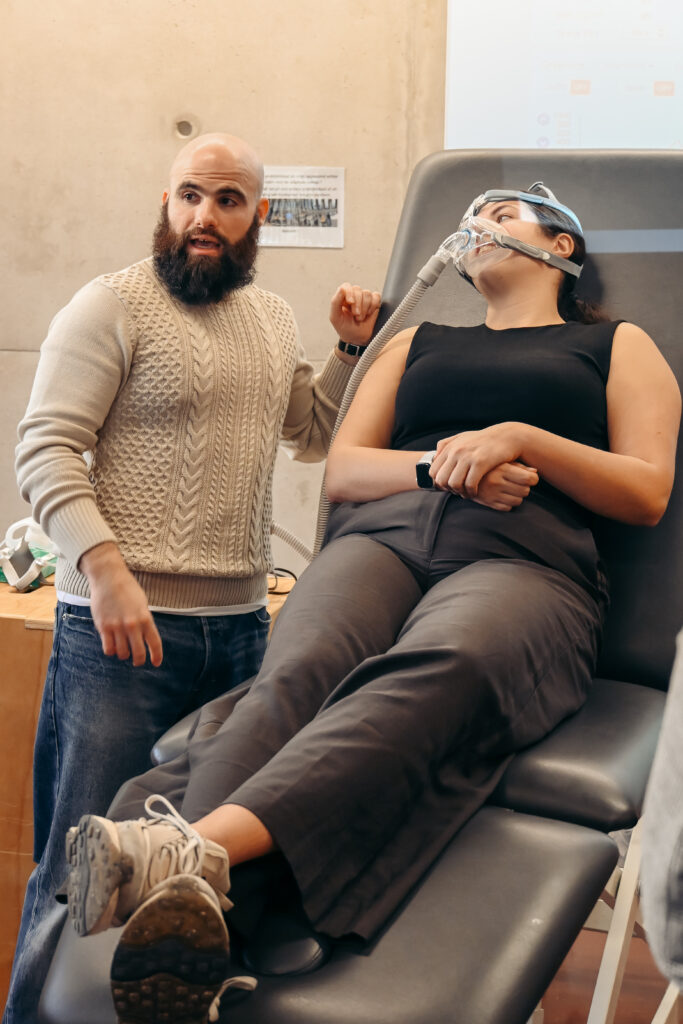
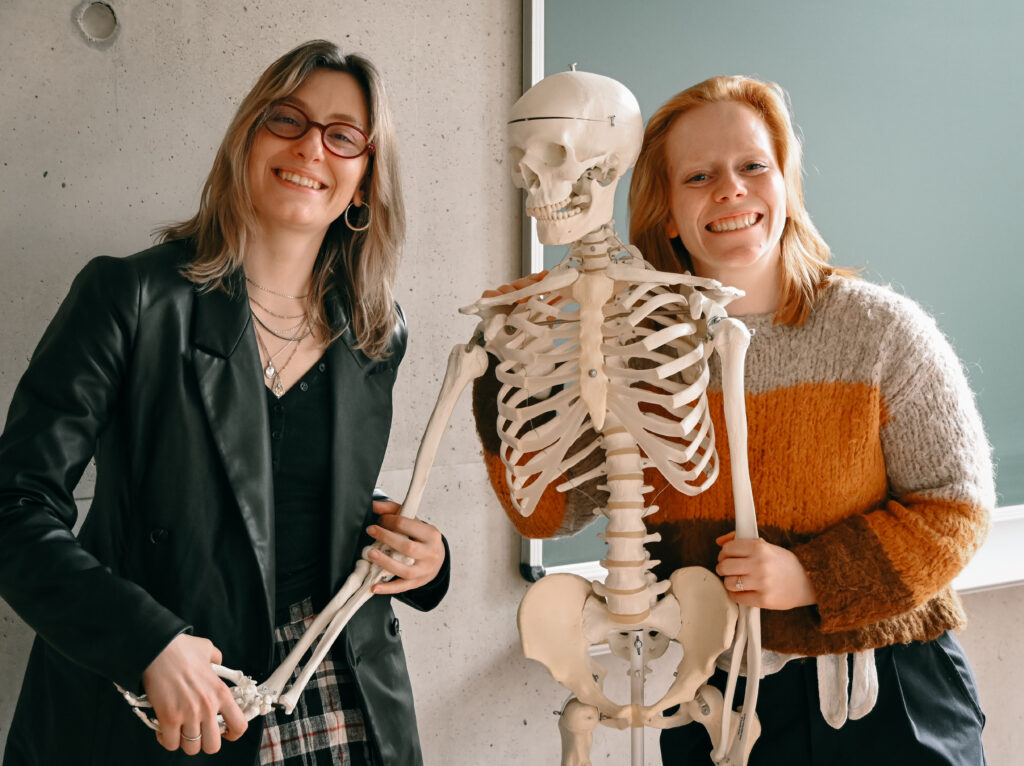
It was also clear in the BIP Respiratory Physiotherapy in COPD-patients (Faculty of Medicine and Health Sciences) what such an intensive international learning environment can add. The focus here was on clinical skills and a comparison between healthcare systems.
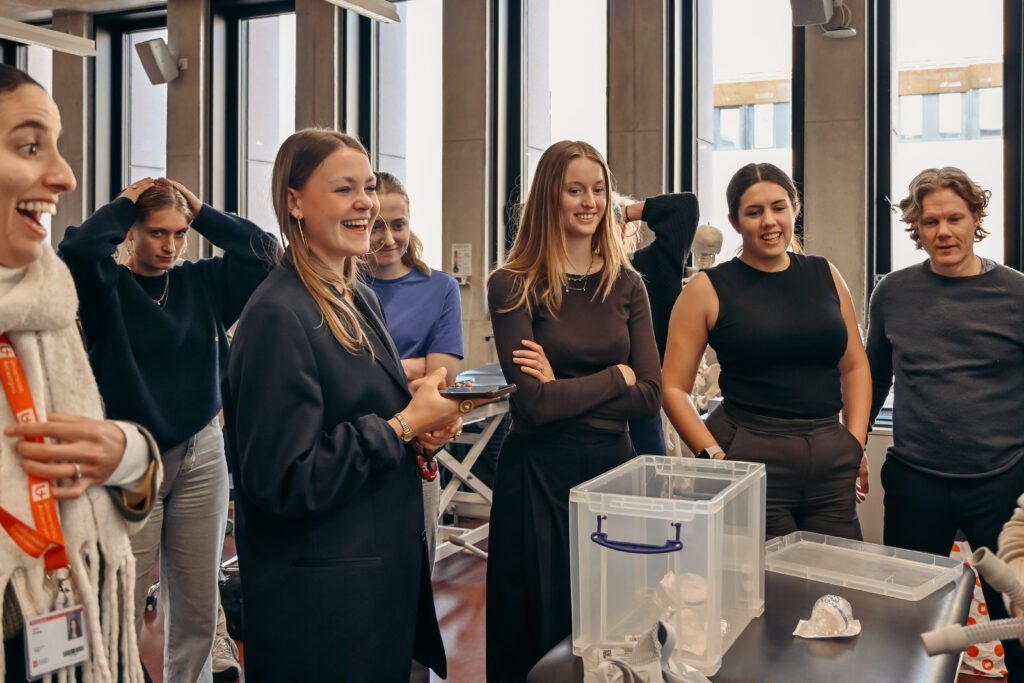
Sara Koppang (Norway) found the combination especially valuable: the online preparation helped participants get oriented and gain insight into the other students and the Belgian context, while the week in-person provided practical experience and intensive cooperation in a short period.
Claudia Apavaloaei (Romania) saw several advantages, especially in the international comparison: ‘I learned that COPD care varies from country to country. For example in Spain the community is more involved in treatment. But I also learned when it’s best to speak and when to listen’.
What does it mean to be European today?
Not every BIP starts from a practical problem. In the YUFE course Philosophical Sources of European Identity (Faculty of Arts), students reflect on what it means to be European today. Themes such as migration, solidarity and power take centre stage. Students look at Europe from different perspectives.
Visiting lecturer Antonio Gomez Ramos (Universidad Carlos III De Madrid): ‘Europe today is looking for its own voice in this world. The programme offers students the chance to rethink Europe at a time when this is no option.’
‘The course goes beyond theory. Students also use films, images and walks through the city of Antwerp. Even Antwerp itself then becomes a way of thinking about Europe. Not as a backdrop, but as a place where history and culture become tangible’, says visiting lecturer Alessandro Volpe (Vita-Salute San Raffaele University Milan).
From temporary collaboration to sustainable network
BIPs are intense, even for (visiting) lecturers. They require coordination and cooperation with international partners. At the same time, this creates something special: a temporary learning community in which participants search together and learn from each other’s approach. In some cases, it grows into a permanent network. For example, the philosophy BIP led to additional activities such as reading seminars, roundtables and conferences which involved former students.
Maija Aalto-Heinilä (University of Eastern Finland), one of the lecturers involved, stresses the importance of dialogue: ‘Students learn that different opinions can coexist with respect. In a European context, this sounds almost obvious. In reality, it’s exactly what needs to be practised’.
Internationalisation with impact
With seven BIPs, UAntwerp shows how widely applicable this teaching method can be. The programmes differ in content, but share the same goal: making international experience accessible.
BIPs are not a shortened Erasmus experience, but their own form of internationalisation: short, intensive and embedded in education. For students, they offer new perspectives and an open view of other countries. For lecturers, they strengthen international networking and teaching innovation. For the university, they make international ambitions a reality.
Organising or participating in a BIP yourself?
Are you keen to get involved in organising a BIP on your study programme yourself? Or would you like to explore opportunities for students to participate in a BIP at a partner university abroad? The International Relations Office can support you in this process.
Read the conditions and opportunities on Pintra.