
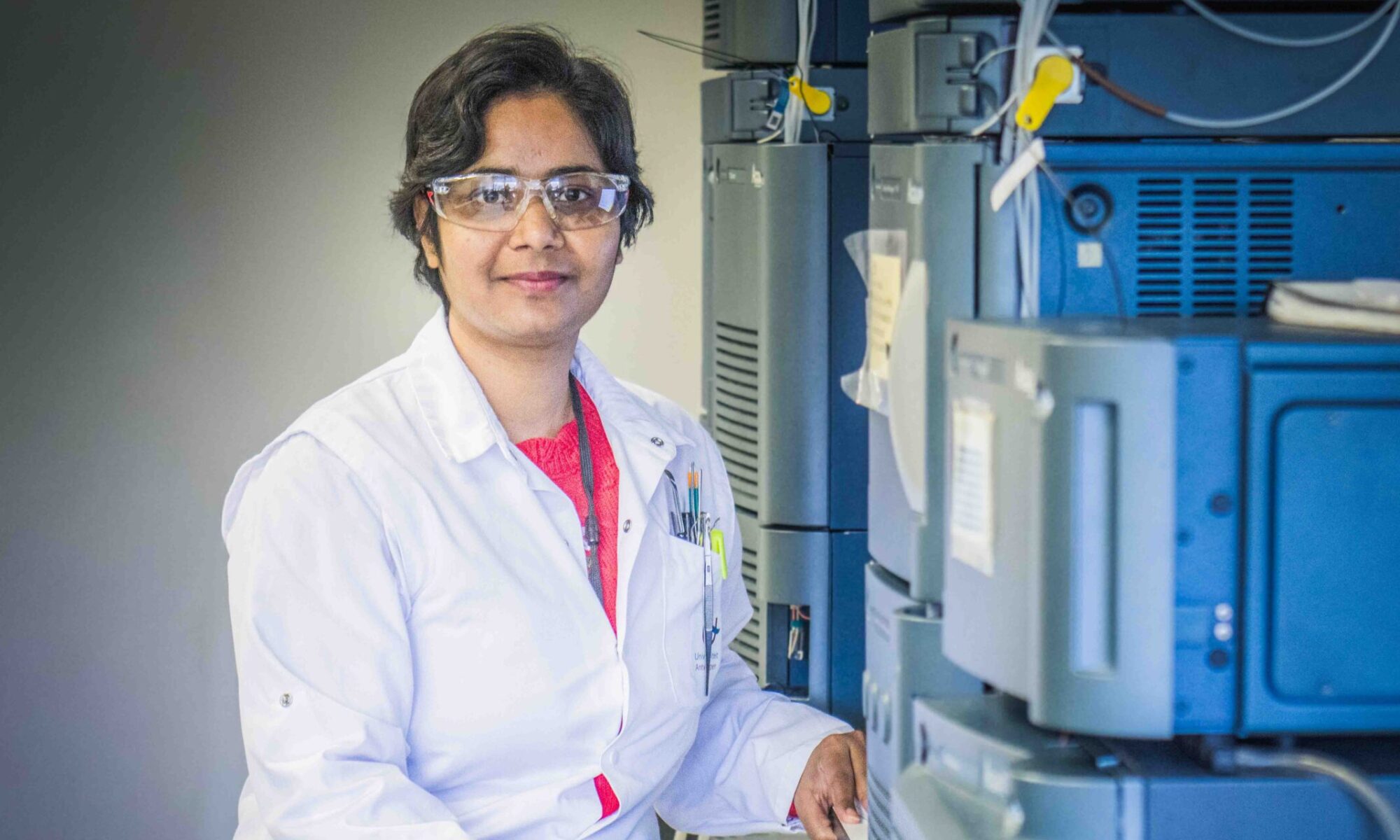
Dr. Tuhina Khan’s journey from a small village in rural India to cutting-edge research in Belgium is as inspiring as her work. At the lab of Prof. Pieter Van der Veken of the University of Antwerp, she focuses on targeted therapies for glioblastoma, designing molecules that can cross the blood-brain barrier to improve treatment options for this aggressive cancer.
Tuhina’s path to becoming a scientist was anything but conventional. Growing up in Fatikpur, a remote village in the Indian Sundarbans, she faced countless challenges: limited resources, cultural expectations and the steep transition from rural education to urban academia. Yet, these obstacles only fueled her determination. ‘I didn’t set out to become a scientist’, Tuhina says. ‘I simply loved science and knew it was my way forward.’
How difficult was is for a young girl from a rural village in India to get into the science world?
“It was incredibly difficult, almost impossible to even imagine entering science. My role models came only from books and newspapers. No one around me knew how to help me follow their path, so I was entirely on my own. The biggest challenge was the disconnect between rural education and the urban academic system. When I moved to the city for my bachelor’s degree, I had to relearn many topics. Since my schooling had been in Bengali rather than English, the transition was especially demanding. But my passion for chemistry kept me moving forward.”
“I never initially set out to become a scientist. I simply loved science.”
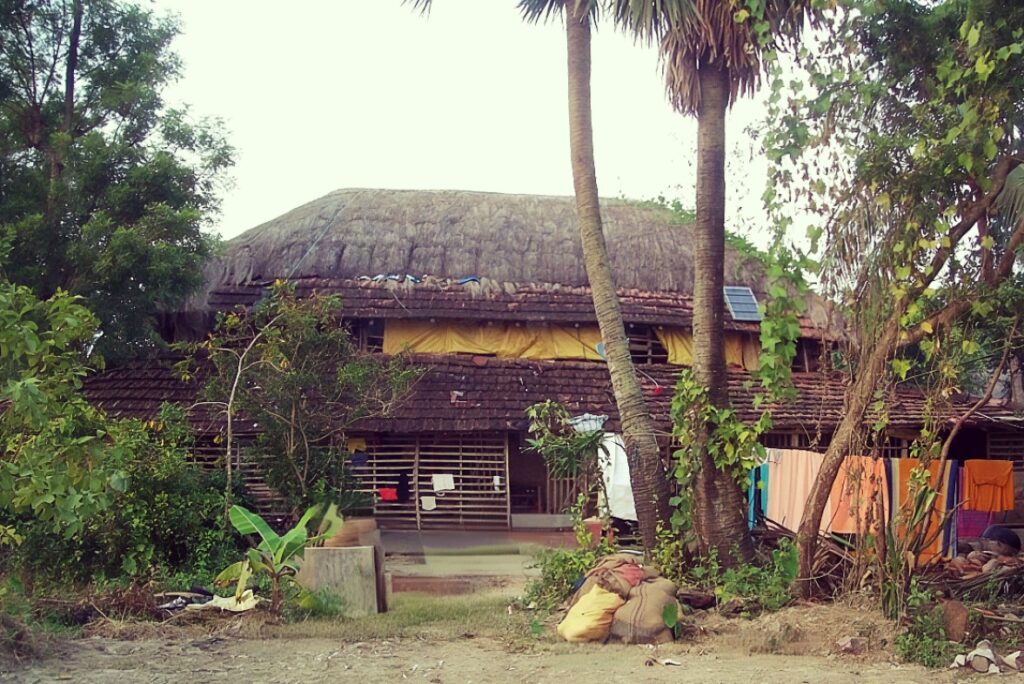
“I was born and raised in the Indian Sundarbans, surrounded by mangroves and incredible wildlife. Beautiful, but deeply underdeveloped. We had no proper roads or electricity, kerosene lamps were the only source of light. There was one hand-pumped drinking water system for the whole village. The route to my school would turn into a muddy mess during monsoon. I lost count of how many times I slipped and fell, completely soaked and covered in mud.
We lived in a mud house, grew our own food and worked on agricultural land to support the family. Life demanded resilience early on. Yet it was not all about struggle. I was filled with pure joy and exposure to nature, which I believe sparked my curiosity.
I never initially set out to become a scientist. I simply loved science, did countless late nights solving math problems. I always knew I had to study, go to the city, and ‘do something’. Most importantly, I refused to end up like the other women in my community, whose oppression I had witnessed at unthinkable levels. Studying science was the only path I knew.”
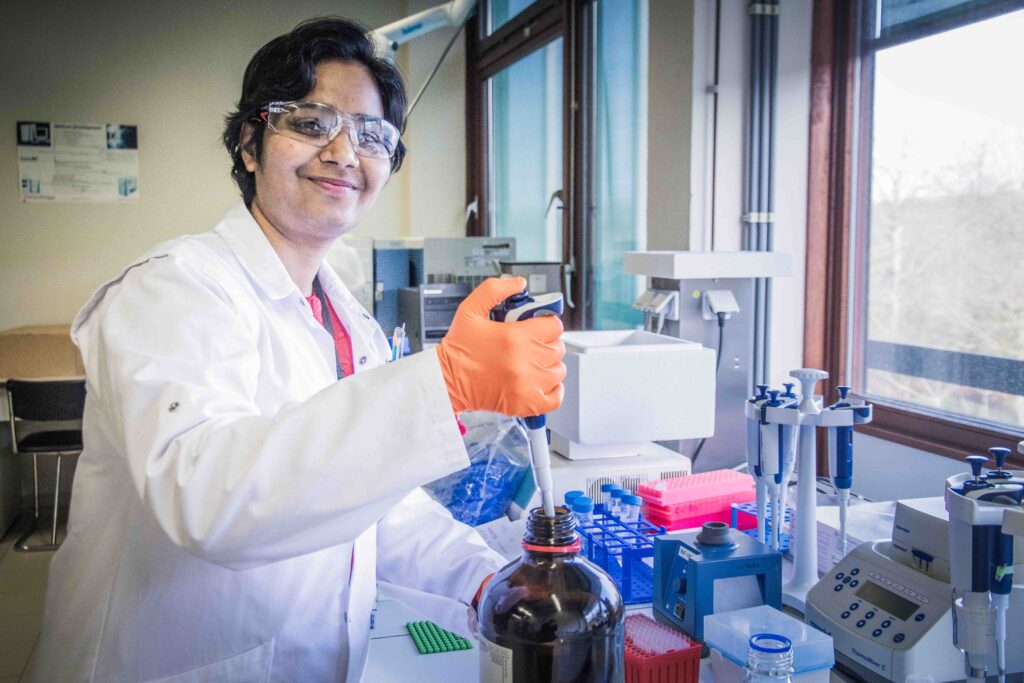
You worked in different labs across Europe. How did this experience shape your scientific outlook?
“Working across European labs shaped my scientific outlook profoundly. Each had unique methodologies and problem-solving approaches. I learned there’s no single ‘right’ way to do science, only adaptation, integration of best practices, and approaching problems from multiple angles. This flexibility is essential to Drug Discovery research.”
How did you end up at the University of Antwerp?
“Moving to Antwerp was a significant but right decision. I wanted to return to mainland Europe for greater flexibility. When I saw an opening at the University of Antwerp Medicinal Chemistry Research Group – a group I already admired – I applied without hesitation. And here I am.”
You’re almost halfway your Marie Skłodowska-Curie Fellowship. How is it going?
“It’s going well. With ups and downs like any other research project, but overall positive. We’ve made solid progress on our early-stage deliverables. The support from Prof. Van der Veken has been exceptional. I’m also enjoying building new collaborations and learning new skills. The fellowship offers wonderful freedom to explore creative ideas while maintaining focus.”
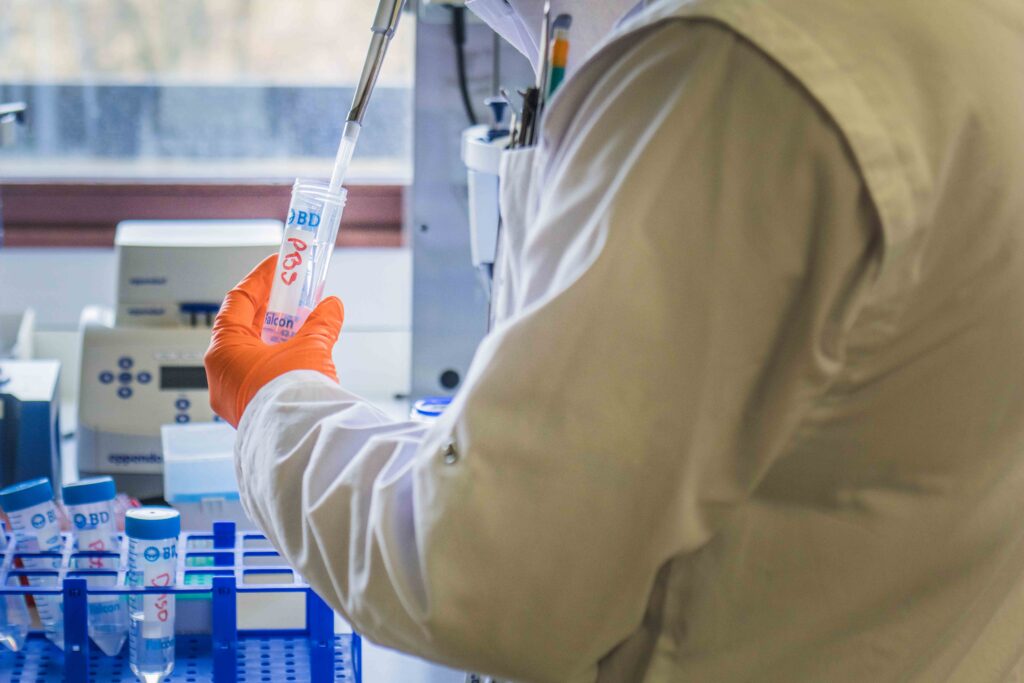
You work on targeted therapy for glioblastoma, an aggressive and deadly brain cancer. What attracted you to this research?
“The combination of medicinal chemistry challenges and clinical urgency attracted me. Developing selective drugs for brain cancer requires understanding both drug design and tumor biology. Tackling the blood-brain barrier while maintaining target selectivity is scientifically demanding. This is exactly the kind of problem I wanted to dedicate my career to.”
How does a typical day look like for you working as a researcher?
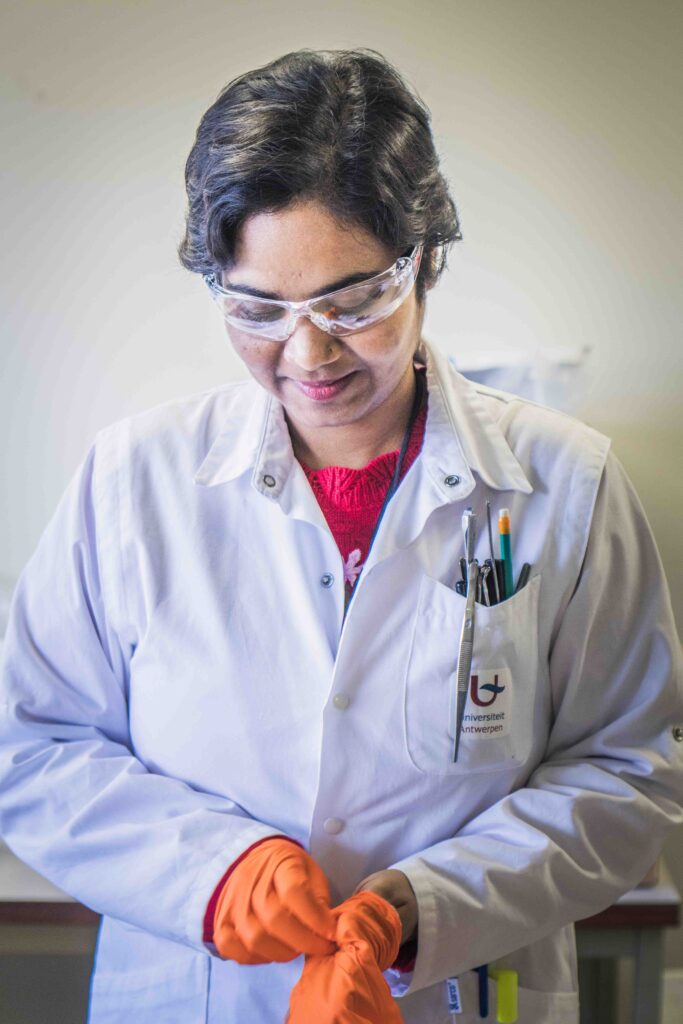
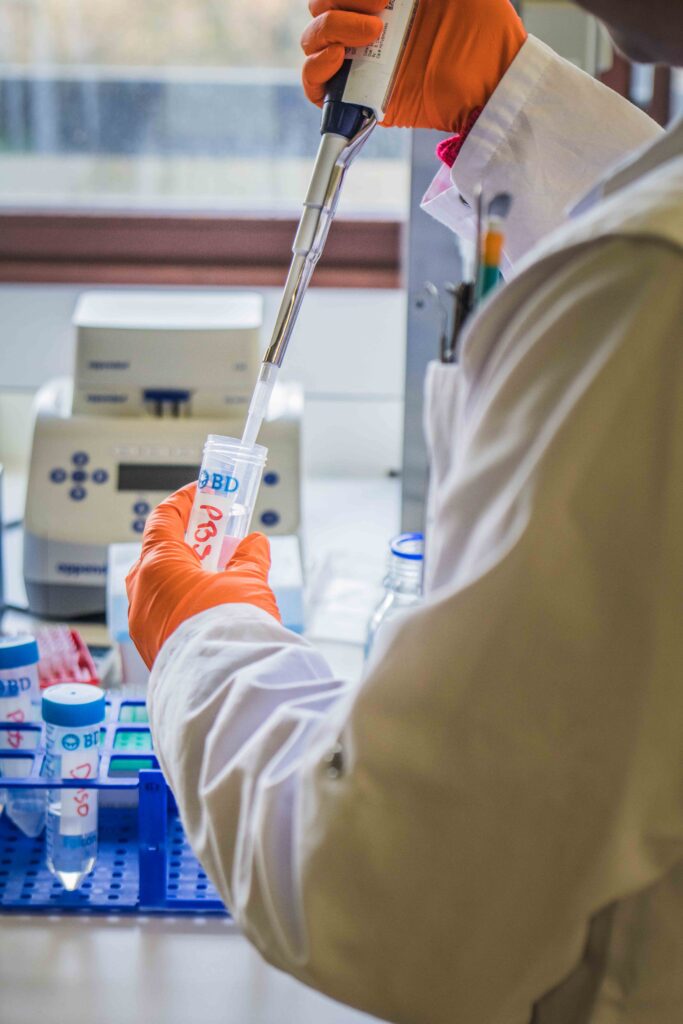
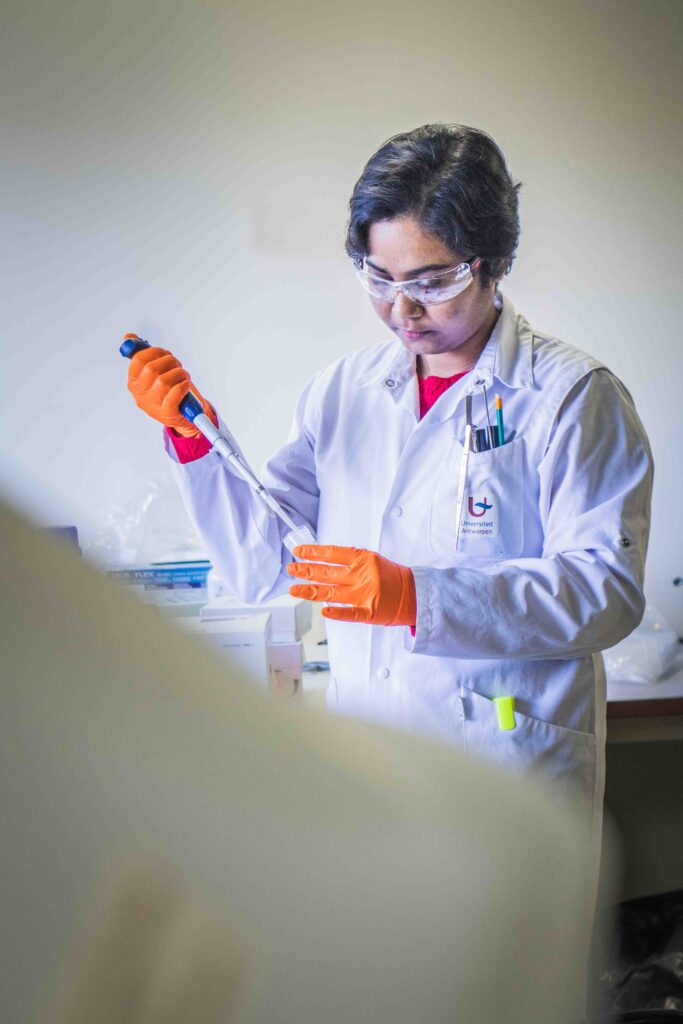
“My work spans chemistry and biology labs, each with a different rhythm. In chemistry, days are flexible: setting up reactions, monitoring via spectral techniques and updating lab notes. Biology is assay-driven, sometimes requiring very early arrivals or late nights depending on the experiment.”
“Good mentorship is everything.”
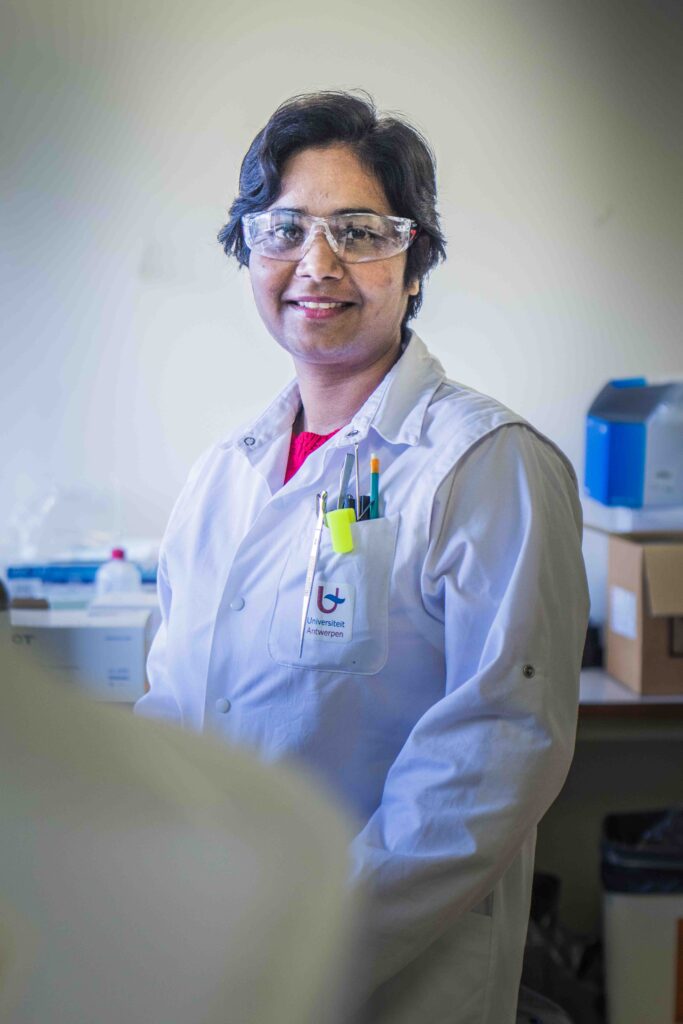
Research can be slow and difficult. How do you stay positive?
“I focus on small victories like a working reaction, a clean spectrum or a good blot. I treat failures as learning, not defeat. When stuck, I step away briefly to reset. Supportive colleagues who understand the struggle also help tremendously.”
How important is good mentorship for you?
“Good mentorship is everything. It shaped my path, opened doors I couldn’t see and guided me through challenges. I wouldn’t be here without it.”
What advice would you give to a young student with a dream of becoming a scientist?
“Your background does not define your destination. Stay curious, work hard, seek mentors, and remember: ‘If I could do it, you can too.’”