
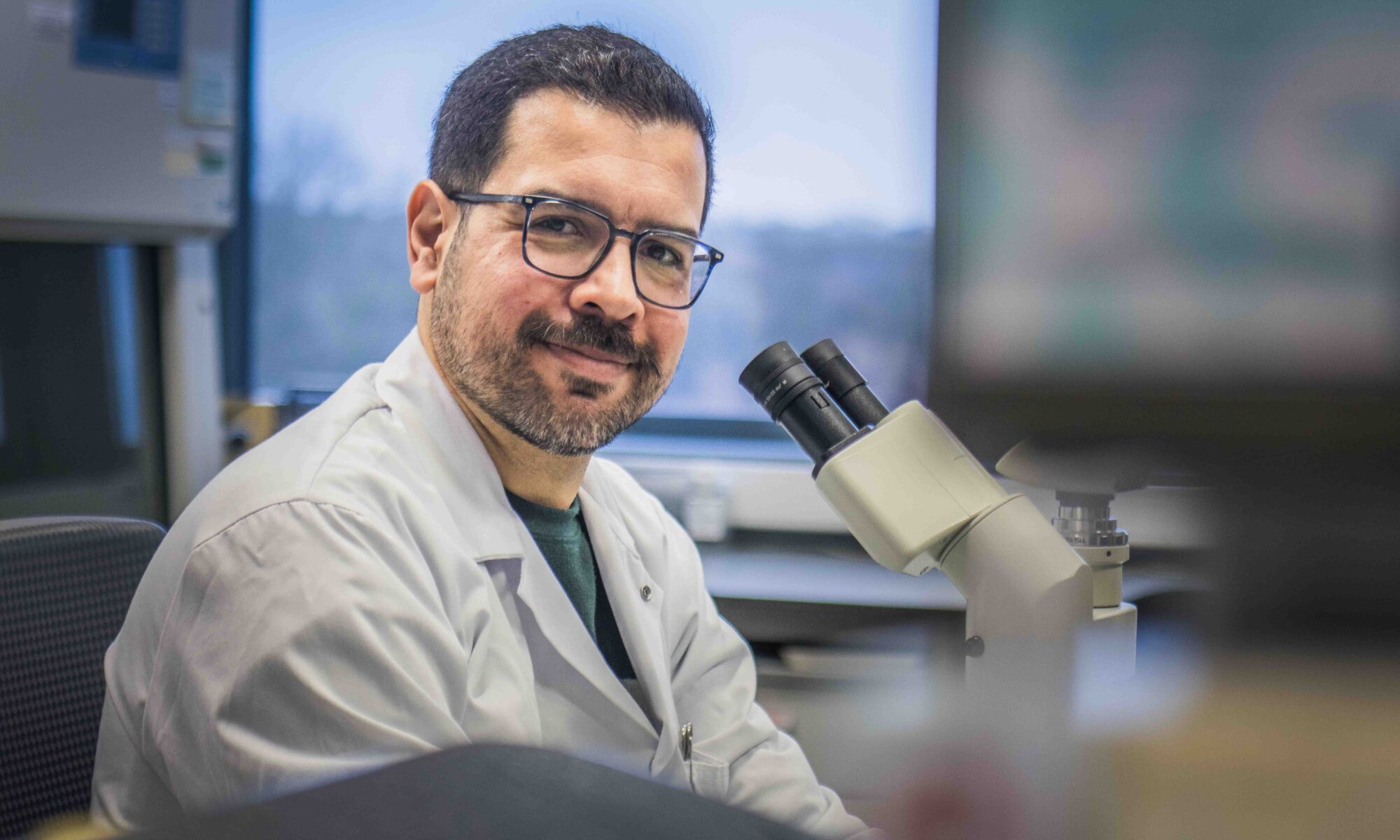
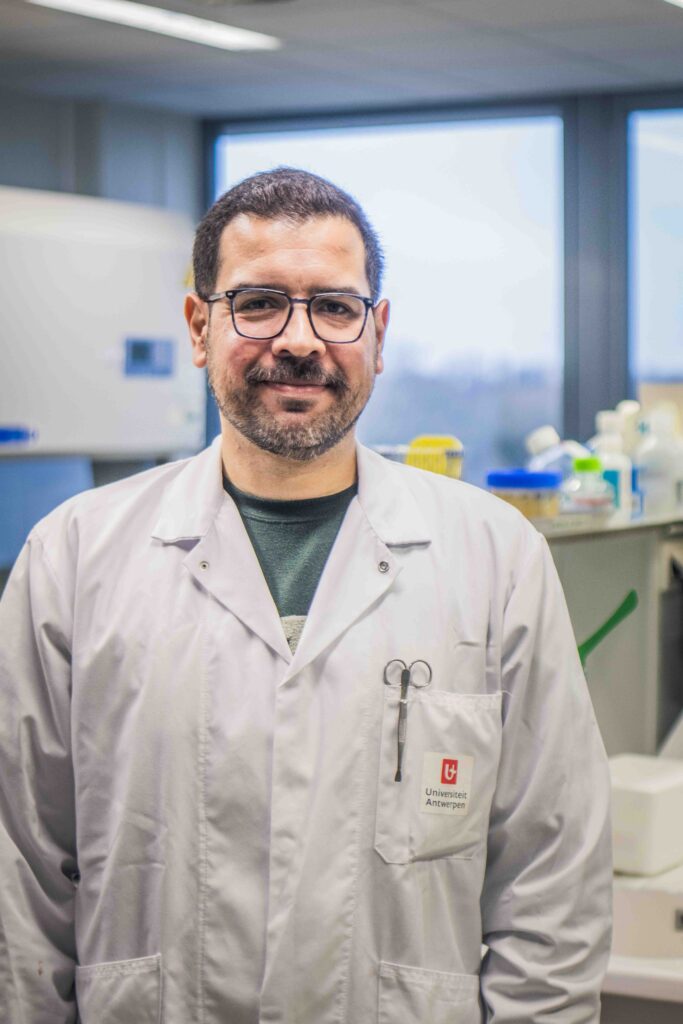
Meet our researcher Dr. Kayhan Ilbeigi. After completing his PhD at the Laboratory of Microbiology, Parasitology and Hygiene (LMPH) at the University of Antwerp he started as a post-doctoral researcher. Kayhan talks about his work on animal trypanosomiasis, his academic journey from Iran to Belgium and his experience of living and working in a new country.
Can you talk a little bit about your research?
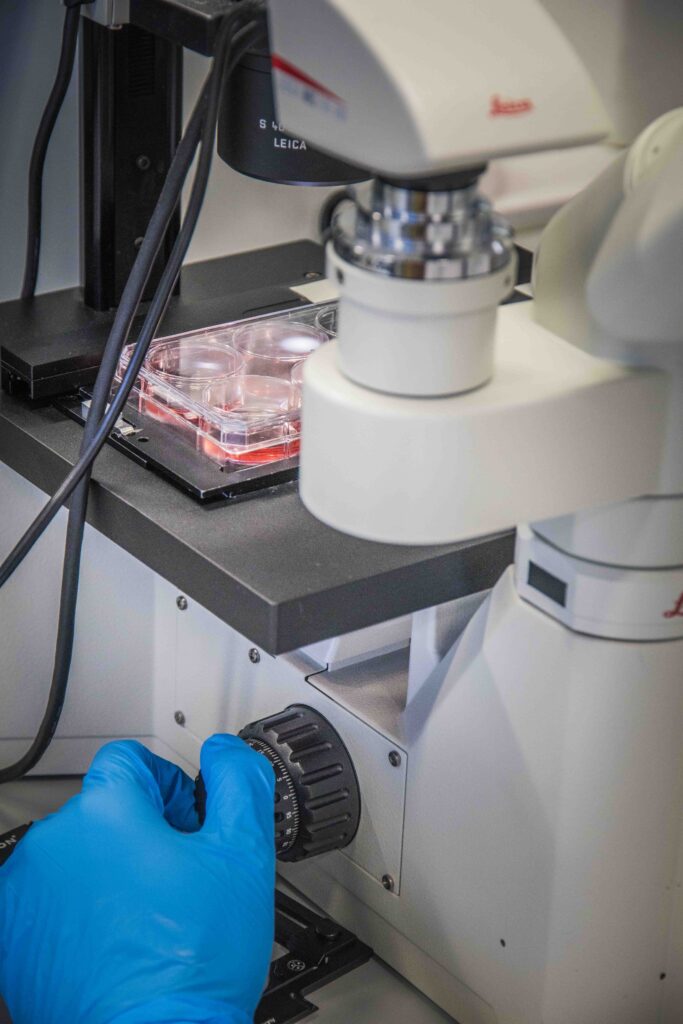
“My research focusses on a neglected parasite called trypanosoma. Some species of this parasite can cause sleeping sickness, and some other species can infect animals. I focus on the animal diseases, or in scientific terms Animal trypanosomiasis. For my PhD I tried to find drugs that are effective for the treatment of this disease in animals. Now as a post doc, I’m working on one specific species of this parasite. Looking into it’s biology, infectiology and immunology.”
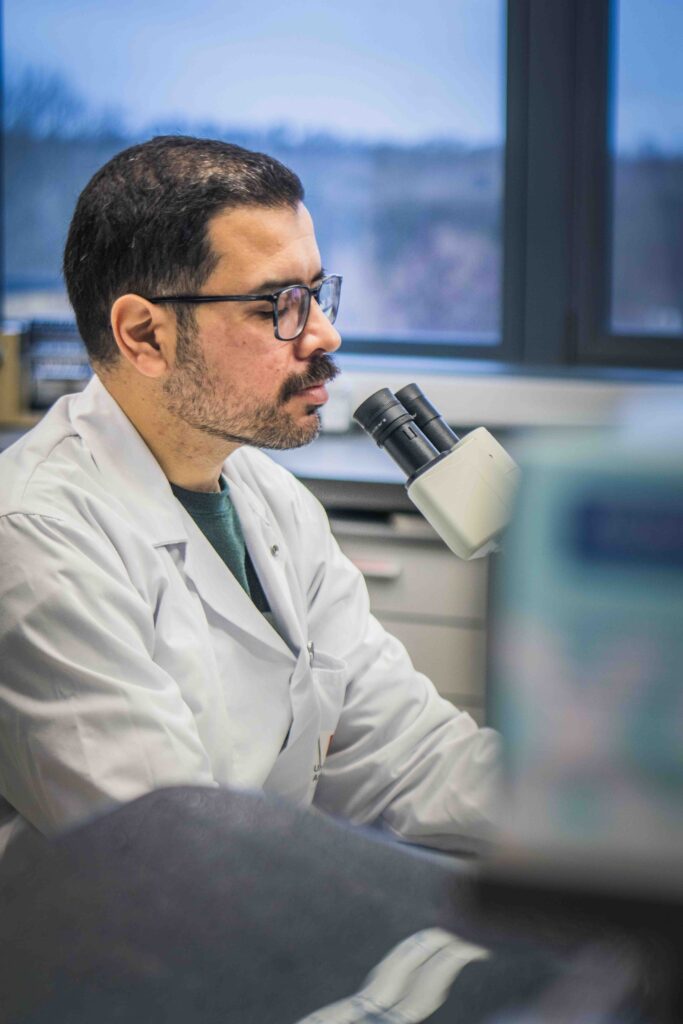
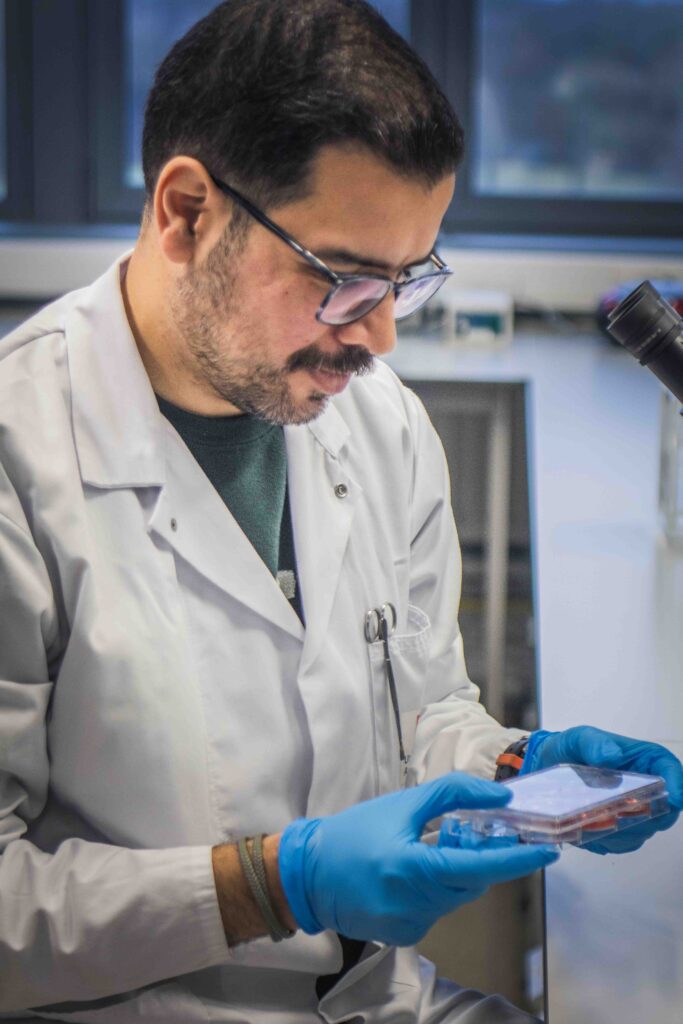
Can you tell us about your journey here at the University of Antwerp?
“I practiced veterinary medicine in my home country Iran. Then I came here in 2018 to do the Master in Biomedical Sciences Infectious and Tropical Diseases. After that, I was a research assistant for one year. And in September 2021 I started my PhD at LMPH. Later I’ve got the Seal of Excellence Grant from BOF, University of Antwerp to start my post doc.”
How did you manage the language barrier?
“My mother tongue is Farsi and my second language is English. Here in Flanders it’s Dutch. During the first months it was a bit of a shock, for example I would go to a store and use a translator to see what I was buying. Luckily in Flanders most people can speak English, which was very nice and helpful. The Master in Biomedical Sciences is fully in English, so that was no problem.”
“You have to go all the way, with purpose.”
What are the biggest cultural differences you’ve experienced?
“Each culture has its own beauty. But off course there are cultural differences. Here people mostly rely on themselves to solve a particular problem. Only at a later stage, they will get help from other people. It improves problem solving skills and independency, which is very important. In Iran it’s a bit different. If you face a problem, one of the first things you do is to get help, which is also a nice way of working, because it improves teamwork. There is a difference, but both have their merits.”
What difficulties did you encounter during your stay here?
“Being far from your family, far from your home country. When you go to a new country, for many things you have to start from scratch. You have to make new friend, a new network. This could be challenging, but at the same time it’s a very valuable experience for your personal and professional life. It’s a unique experience. You pay a price by going abroad, being far from your family. So you have to make sure you get the most out of it. You have to go all the way, with purpose. And during your journey, sometimes you’re going to fail. That’s normal, it happens. But, if you’re humble enough to learn from it and keep your momentum. I’m pretty sure you’re going to get to the end, and even further.”
How is your post-doctoral research going?
“It’s going great. I always want to be one step ahead. During the last year of my PhD, I already started with the post doc project. I officially started the post doc last month. Now we are building the scene for an exciting project. Hopefully we will get some Master’s students involved and maybe in the future PhD researchers. I think it’s going very well and hopefully it will be very exciting.”
Watch the interview with Kayhan