
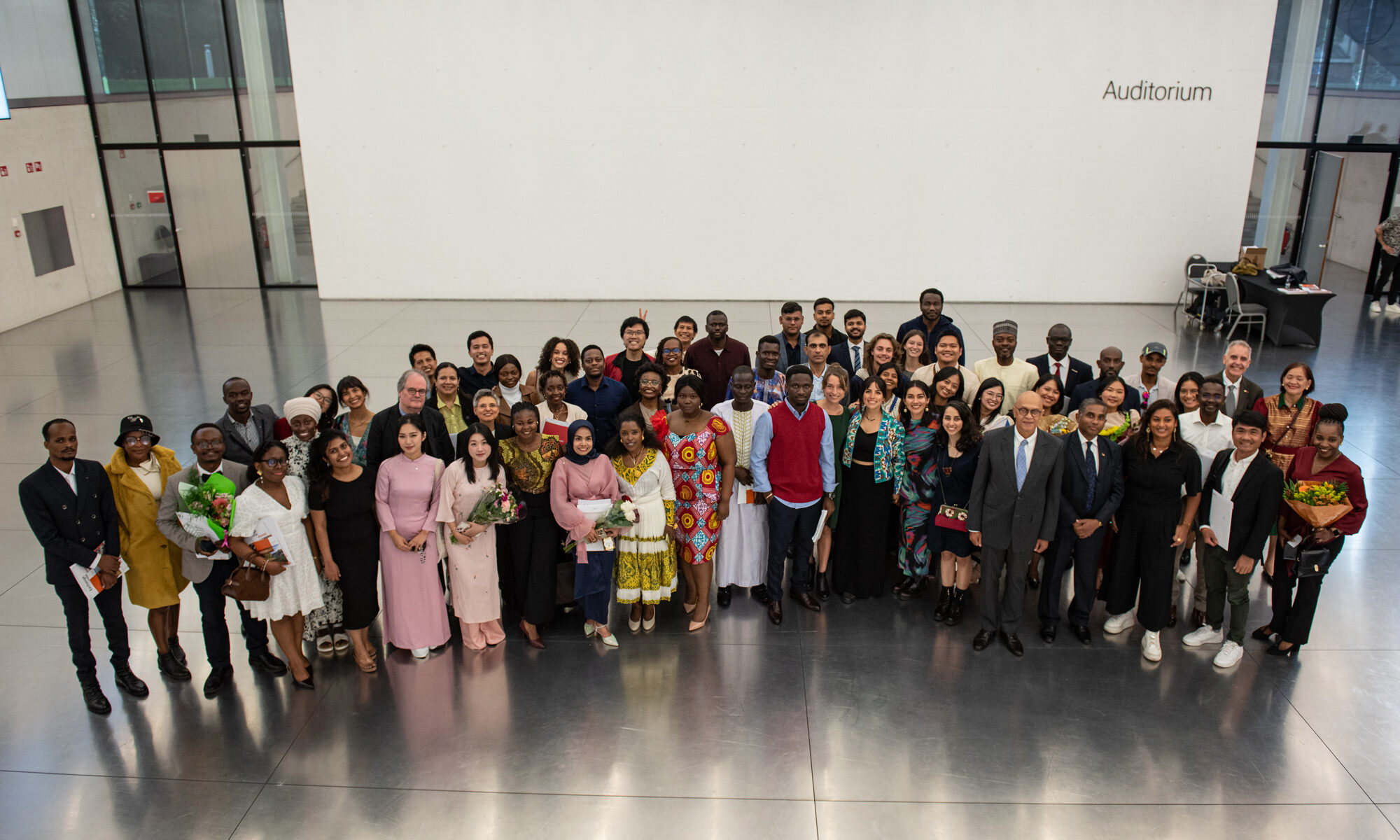
At the Institute of Development Policy (IOB), education is more than the transfer of knowledge. It is a shared process of critical inquiry, engagement with global realities, and preparation for meaningful careers in development policy, research, and practice. In 2025, IOB continued to deliver high‑level, internationally oriented education that equips students to understand — and help shape — responses to the world’s most pressing challenges, from inequality and migration to conflict, climate change, and governance.
Advanced Masters: Equipping Change‑Makers
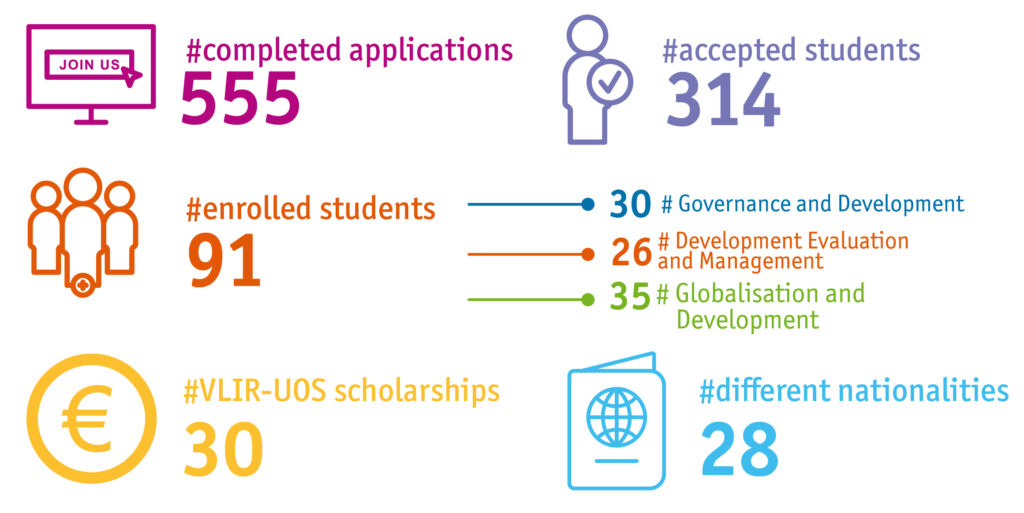
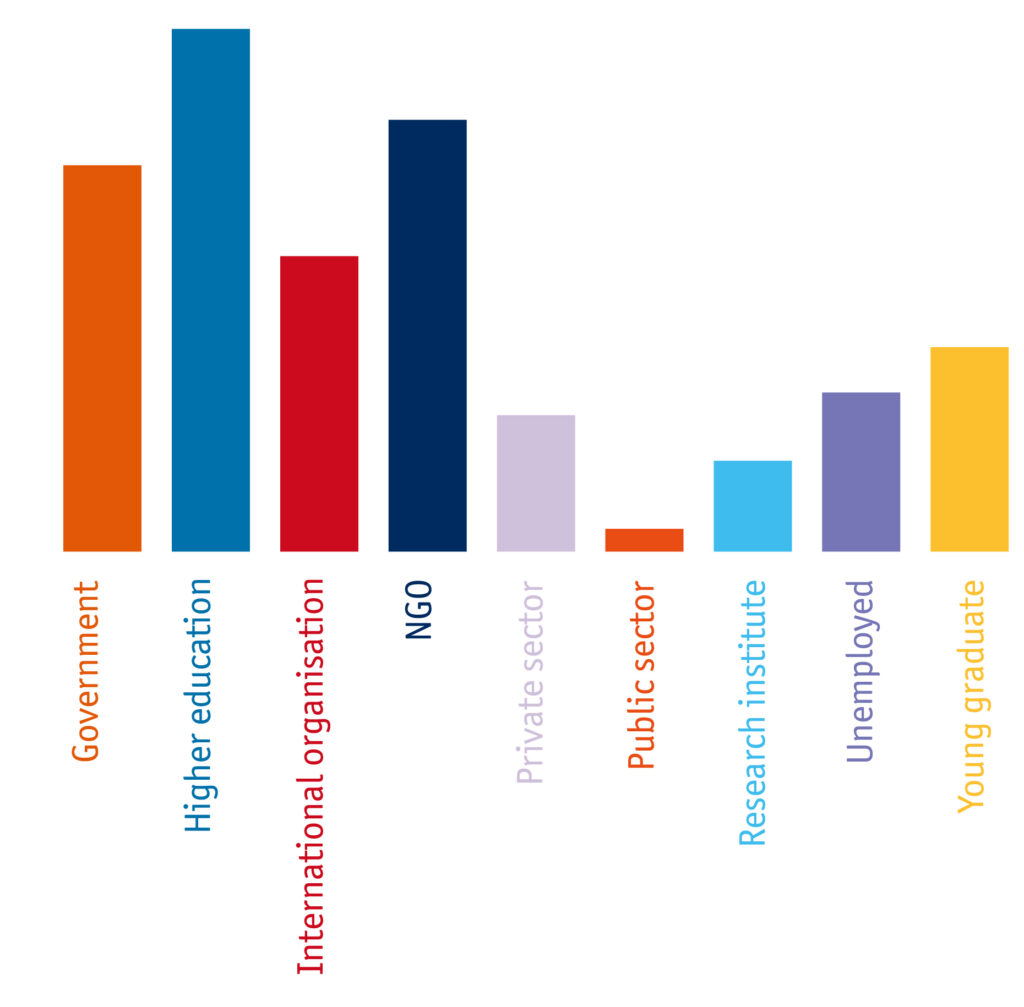
IOB offers three Advanced Master’s programmes that combine academic rigour with strong links to policy and practice. Across all programmes, students engage deeply with theory and methods, work on real‑world cases, and develop the analytical skills needed to navigate complex development challenges.
How do institutions, power relations, and public policy shape development outcomes in the Global South? The Advanced Master in Governance and Development provides students with the theoretical and analytical tools to understand governance processes and design more inclusive and effective policies.Students explore topics such as conflict resolution, governance reforms, and decentralisation, and go on to careers as policy advisors, NGO managers, or academic researchers.
Global inequalities, migration, climate change and trade continue to redefine development pathways. The Advanced Master of Globalisation and Development offers an intensive one‑year programme combining data analysis, theory, and policy perspectives to critically examine these dynamics. Graduates pursue careers as development economists, sustainability consultants, or migration experts, working in international organisations, research institutes, and policy environments around the world.
Development Evaluation and Management
Accountability, learning, and impact assessment are central to effective development policy. The Advanced Master in Development Evaluation and Management (DEM) trains students to evaluate programmes and policies in areas such as gender equality, climate action, migration, and international aid. Using mixed methods and real‑world case studies, students prepare for roles as monitoring and evaluation specialists, development consultants, and impact analysts.
Student‑centred learning and research excellence
At IOB, student‑centred learning is at the core of our educational philosophy. Individual research projects and Master’s dissertations allow students to pursue in‑depth analysis of topics that matter to them — often rooted in their own regions, experiences, or professional ambitions.
🎬 Graduation Movie 2024–2025
Staying connected: IOB’s alumni policy
IOB is committed to sustaining long‑term relationships with its alumni. Through a dedicated alumni policy, the institute actively facilitates networking, collaboration, and knowledge exchange within the global development community.
Alumni stay connected via online spaces such as Facebook and LinkedIn groups, newsletters, and dedicated alumni events — including meet‑and‑greet sessions, Alumni in Action talks, and impact‑focused seminars. These initiatives strengthen professional ties and contribute to South–South cooperation in education, research, and societal service.
📖 Exchange to Change – Alumni Magazine
Alumni stories
Prize for Global Research
During the graduation ceremony, academic excellence was also publicly recognised. Three graduates received the Prize for Global Research from the Province of Antwerp for their outstanding dissertations.
Alfred Mukengere | The role of natural resources in armed conflicts in Eastern Democratic Republic of Congo: the case of the AFC/M23 armed conflict
His dissertation on the M23 conflict in Eastern DRC shows that minerals matter — but the roots of violence lie deeper, in exclusion, discrimination & politics.
Danté Cornille | When methods unfold: an unfinished ethnography of encounter. Multimodal methods, fieldwork, and the plural politics of knowledge in development research and practice.
Through participatory and multimodal methods — from mapping and photovoice to collaborative storytelling — Danté shows how research is co-produced through relationships. His work reframes the politics of knowledge in development studies and inspires more plural, reflexive practices.
Nhu Quynh Nguyen | Navigating complexity and uncertainty: adaptive management practices of Vietnamese NGOs in the education sector
Her dissertation shows how NGOs in Vietnam’s education sector adapt to political constraints & funding uncertainty through “quiet adaptation.” A vital contribution to understanding civil society resilience.
Learning beyond the classroom: IOB students in the field
Through the Mobility Window, students can undertake a research stay within an ongoing project at one of IOB’s partner universities in the Global South. This unique opportunity allows them to apply research methods in real‑world contexts, develop intercultural and professional skills, and gain first‑hand field research experience outside Belgium.
A highlight of the year was the Community Based Monitoring (CBM) course in Tanzania. The course introduces students to the theoretical foundations of CBM within monitoring and evaluation frameworks, while also immersing them in practical fieldwork.
Through hands‑on participation in the Fuatilia Maji project, students developed skills in data collection, analysis, and dissemination, while critically reflecting on the opportunities and challenges of community‑driven monitoring.
Short field videos capture students’ experiences across different countries and contexts:
Advancing knowledge: PhD research at IOB
In 2025, several doctoral researchers successfully completed their PhDs at IOB, contributing original and impactful research to the field of development studies:
Defended PhDs in 2025
- Benjamin Muhoza Kanze (3 December 2025)
The political economy of urban land access in eastern DRC: between accumulation, authority fragmentation and militarisation - Juan Sebastián Vélez Triana (16 June 2025)
Sumapaz and the Magic Guatila: social-ecological struggles, campesino autonomy and alternative relationalities in the Colombian Andes highlands - Eliane Giezendanner (25 March 2025)
Embodied legacies of rebellion: (body) memory, self-conception and political participation among ex-combatants in Burundi - Réginas Ndayiragije (10 March 2025)
Post‑conflict institutional engineering and political representation in Burundi
Debating Development: opening up global conversations
Debating Development is a central platform for public dialogue at the University of Antwerp. Organised by IOB and supported by USOS, the series is both an elective course for bachelor students and an open forum for the wider public.
In 2025, the series focused on “Authoritarian currents: Power, control and resistance in times of crisis.” Against a backdrop of global political turbulence, the programme explored how contemporary authoritarianism operates across political, economic, digital, and ecological domains — and how it is being challenged by communities, artists, and activists worldwide.
Through conversations with scholars, practitioners, and activists, the series invited participants to rethink power, freedom, and justice in a world increasingly shaped by authoritarian rule.