

Nearly two years since its inception, the InfoCitizen Project (ERC Starting Grant with PI Moisés Kopper) has pursued its ambitious mission to combine archival, digital, audiovisual, and ethnographic methods in examining how grassroot organizations in marginalized contexts navigate and negotiate their sociocultural and political-economic Citizenship through their interaction with data.
The Politics of Data and Digital Development seminar series
A year ago, we launched the Politics of Data and Digital Development Seminar, a space where scholars, explore how data shapes power, governance, and everyday life. From Brazil to the U.S. and Europe, we’ve tackled pressing questions: How do numbers reveal inequality? How does disinformation mask reality? And who decides what counts as truth?
The seminar pushed the boundaries of the data-driven future. Conversations explored how technology reshapes work, participation, and human potential, while also questioning the assumptions behind the metrics and frameworks we take for granted. From decolonial perspectives to debates over scientific standards, participants challenged the idea that data exists outside politics. As we enter year two of the series, the seminar continues to bring together theory, practice, and grassroots insight.
When data fights back: Stories of resistance from InfoCitizen field sites
Numbers don’t always tell the full story. At InfoCitizen, we dig deeper. We follow the data that governments ignore, communities record, and researchers wrestle with, and we tell the stories it reveals.
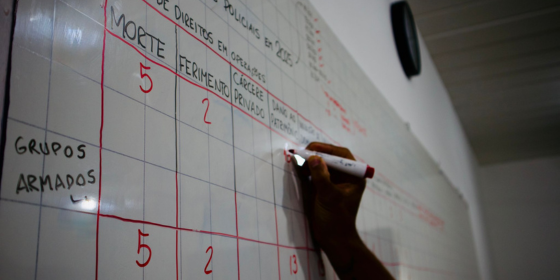
In Rio de Janeiro, over 120 people died in a single police operation on October 28, 2025. Most were young, Black residents. Officials called it a “victory.” The streets called it grief. The project De Olho na Maré refused to let their lives disappear into spreadsheets, documenting every life lost and turning statistics into resistance. (Read full blog)
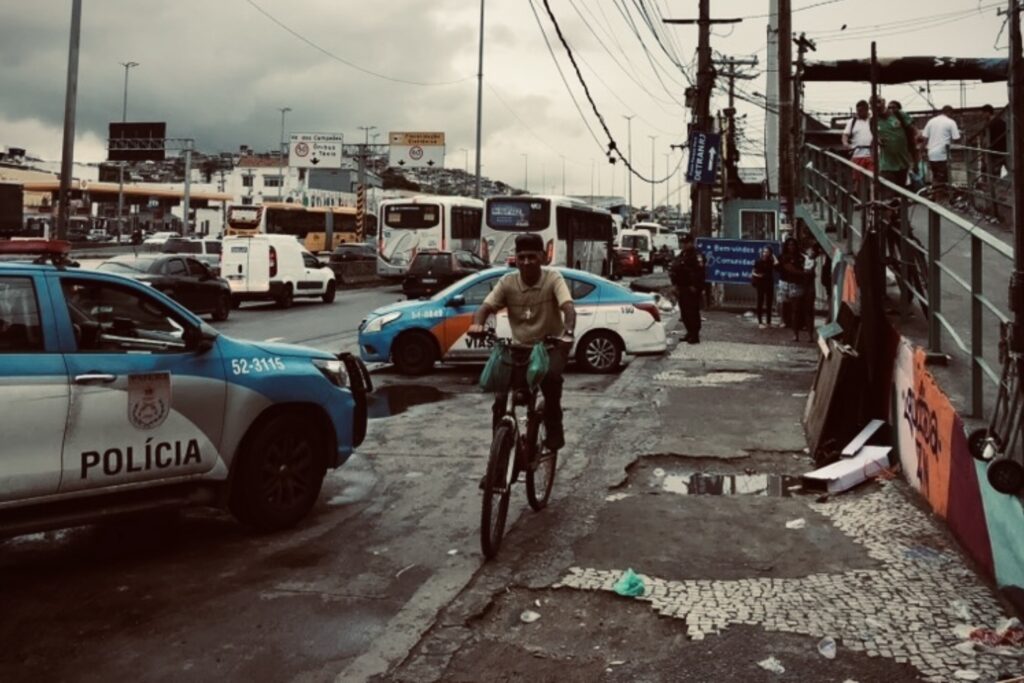
Across Rio and São Paulo, grassroots initiatives like Redes da Maré and Observatório De Olho na Quebrada are rewriting the map of urban life. They track police raids, school closures, housing changes, and armed group activity, revealing the hidden human cost of public security policies. By making invisible voices visible, these groups transform data into advocacy, strategy, and accountability. (Read full blog)
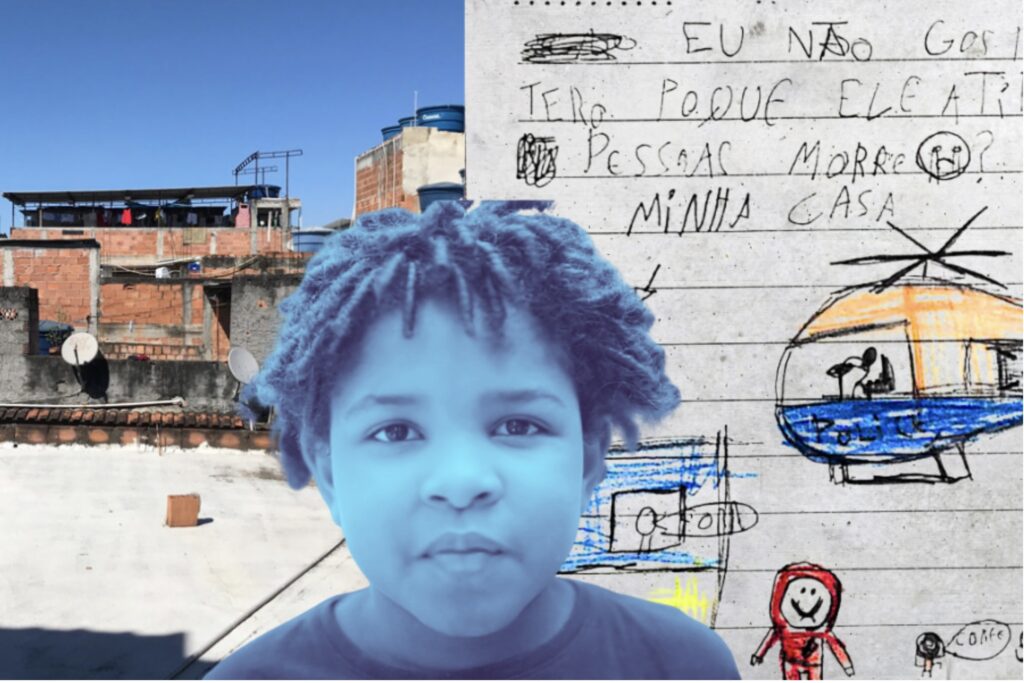
Even in the data lab, data fights back. One of our humanities researchers wrestled with programming and AI to make ethnoracial data understandable, and hit a few roadblocks along the way. Then tried again. Through trial, error, and the interactive storytelling platform Twine, they turned raw numbers into narratives anyone could explore, proving that data can be as human as the lives it represents. (Read the full blog)
When data meets courage, it becomes memory, resistance, and power. Beyond information, data becomes a weapon against erasure and a roadmap for change.
Dive into more stories like these at InfoCitizen and see how communities are using data to reshape the cities they live in.
Making experiences visible: The InfoCitizen conference in Rio
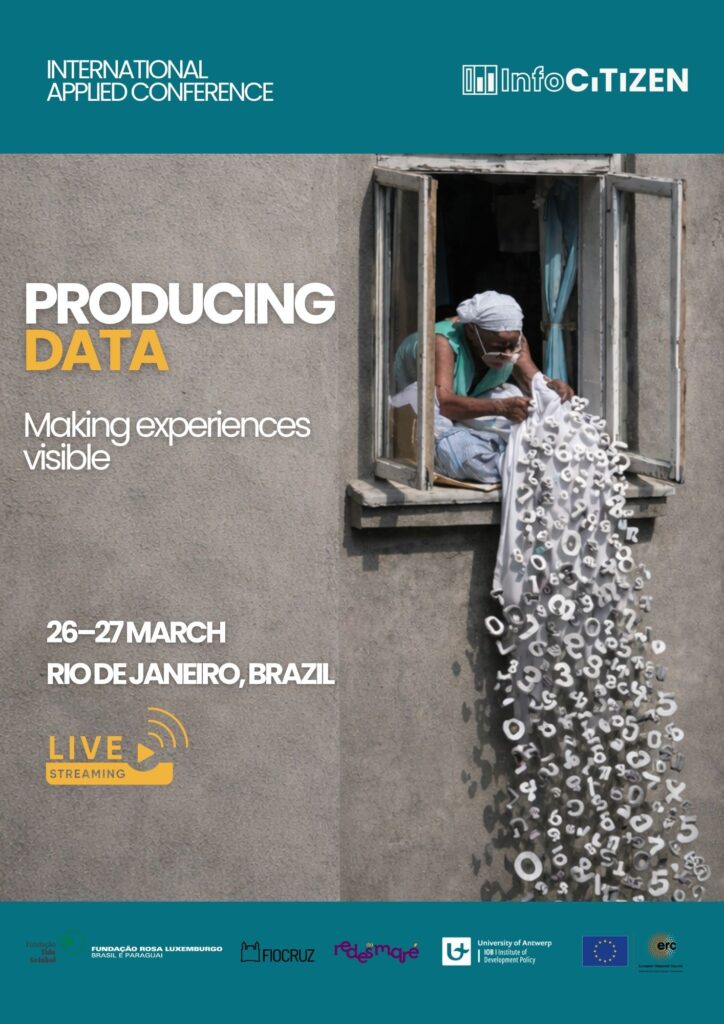
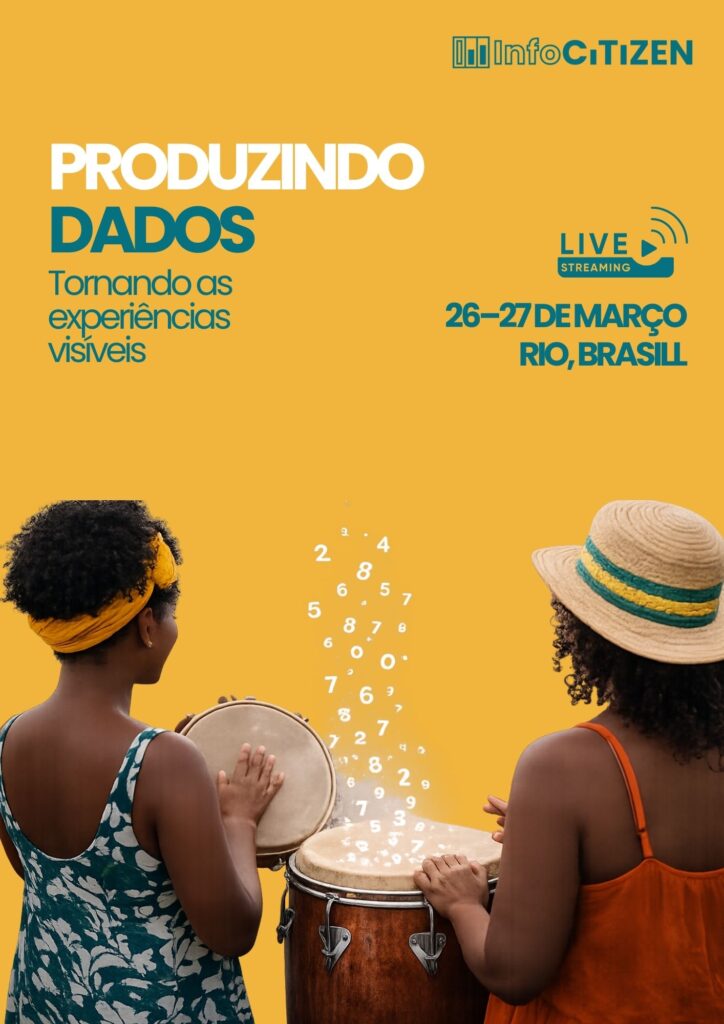
In late March 2026, the InfoCitizen project will travel to Rio de Janeiro for what will become its most public-facing moment so far. From 23 to 27 March, researchers, community organisers, journalists, public institutions, and civic data initiatives from across the Global South and North will come together to explore how data is produced, used, and contested in struggles over rights, security, and accountability.
Hosted by the University of Antwerp and Fiocruz and organised in close partnership with GENI/UFF and Redes da Maré, the conference week unfolds across two connected spaces. It begins in the Maré favela complex, where residents, activists, and researchers meet to discuss public security and community-generated data from lived experience. It then moves to Fiocruz, where global conversations continue on data practices, visualisation, and evidence-making across different political and social contexts.
Throughout the week, participants from Latin America, Africa, Europe, and the Middle East will exchange stories, methods, and strategies for making experiences visible through data. Designed as a multilingual and hybrid event, the conference ensures that these conversations remain open, accessible, and connected across borders.
For the University of Antwerp, the Rio conference week reflects a commitment to globally engaged research, showing how ERC-funded work can move beyond academia and into dialogue with the communities and institutions shaping change.
Stay tuned
Follow InfoCitizen on LinkedIn and X; check out their fully functional website with a collection of insightful and creative blog stories focusing on datafication. The website also features the quarterly newsletter, providing a comprehensive overview of their latest developments and achievements.