
The limitations of (hyper)globalization, evident in increasing inequalities and social exclusion, drive our focus on the poorest countries and marginalized individuals. Rather than portraying them as victims, our research studies small-scale producers and workers navigating local-to-global dynamics, particularly emphasizing women, migrants, children, and people with disabilities as the human faces of the globalization paradox. While global governance theoretically addresses this paradox, our research highlights the need for a critical examination of the political processes and normativity underlying current global governance and aid structures, emphasizing how policies interact with socio-political dynamics at the local level.
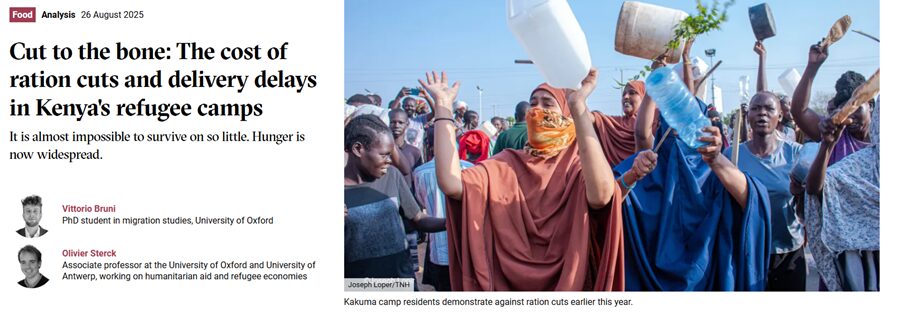
The cost of ration cuts
Research by Olivier Sterck and colleagues, which featured in The New Humanitarian and The Conversation, highlights the consequences of aid cuts and delivery delays in Kenya’s refugee camps. Drawing on longitudinal data from Kakuma, the analysis shows that reductions in already modest assistance led to increased hunger, lower spending on health and education, asset depletion, and rising debt. Unpredictable cash transfers further exacerbated financial insecurity and psychological stress. The findings underline the human cost of shrinking humanitarian budgets and call for more predictable financing and policy reforms that strengthen refugees’ economic inclusion and resilience.
SPRING PSP
In 2025, the SPRING policy supporting programme (Social Protection, Inequality & Inclusive Growth) consolidated its role as a policy-oriented research consortium working on social protection and inclusive growth in Central and Eastern Africa. Throughout the year, the team combined research dissemination with active policy engagement.
SPRING contributed to the second Joint Steering Committee meeting of the Belgian Policy Supporting Programme, strengthening coordination with other PSP initiatives and refining its strategic priorities.
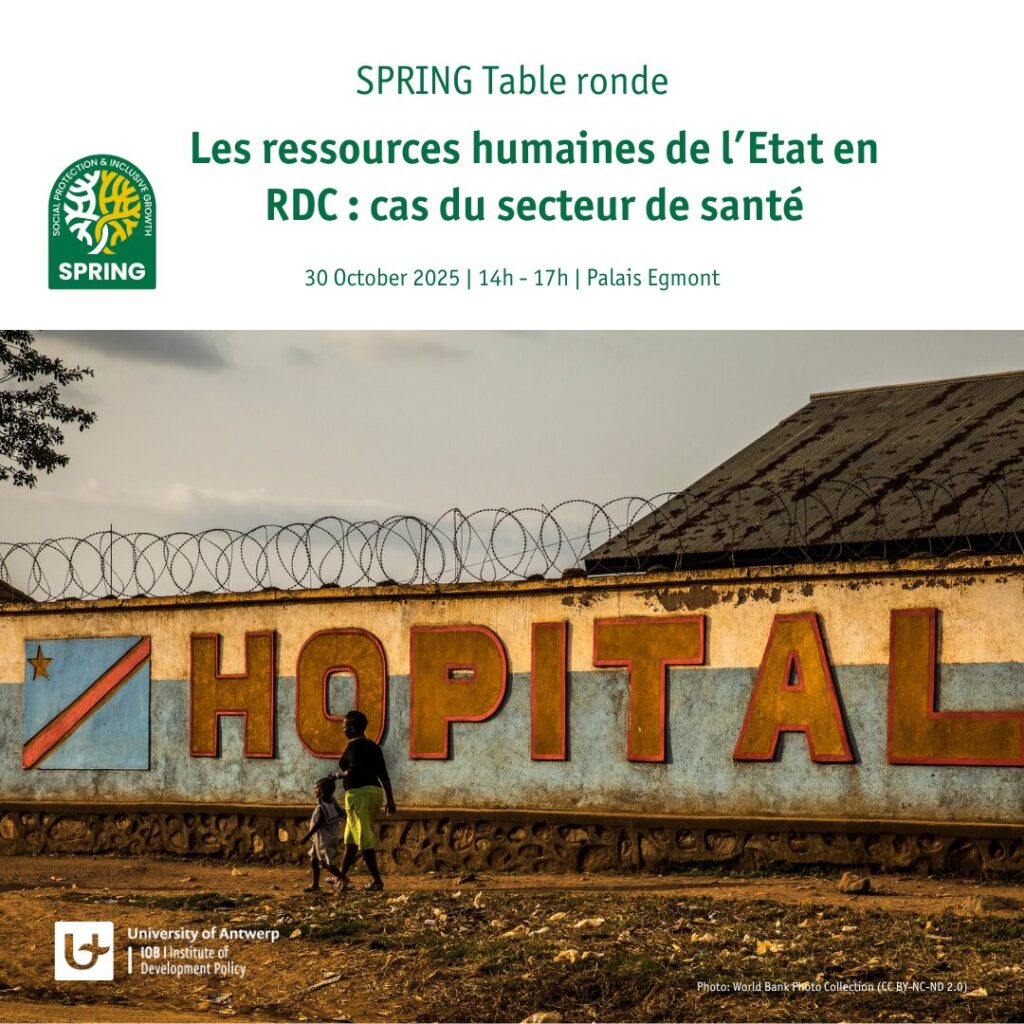
A key public event was a high-level roundtable at the Egmont Palace on human resources management in the DRC’s health sector, which brought together policymakers, practitioners and researchers to reflect on governance bottlenecks and reform pathways.
In addition, SPRING partners presented findings at international conferences and continued publishing working papers and policy briefs, ensuring that research insights feed into ongoing debates on universal health coverage, informality and transformative social protection.
Visit their new website to find out about their work, and make sure to register to their newsletter to stay up to date: www.springpsp.be
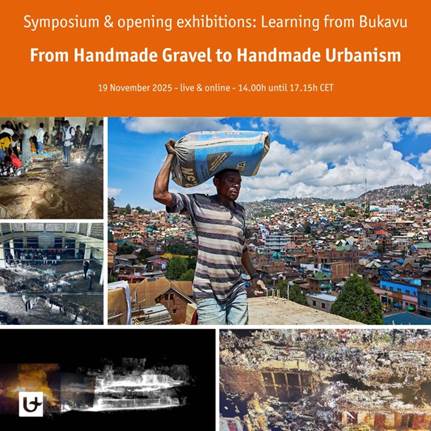
Construction, architecture and mineral supply chains in Bukavu
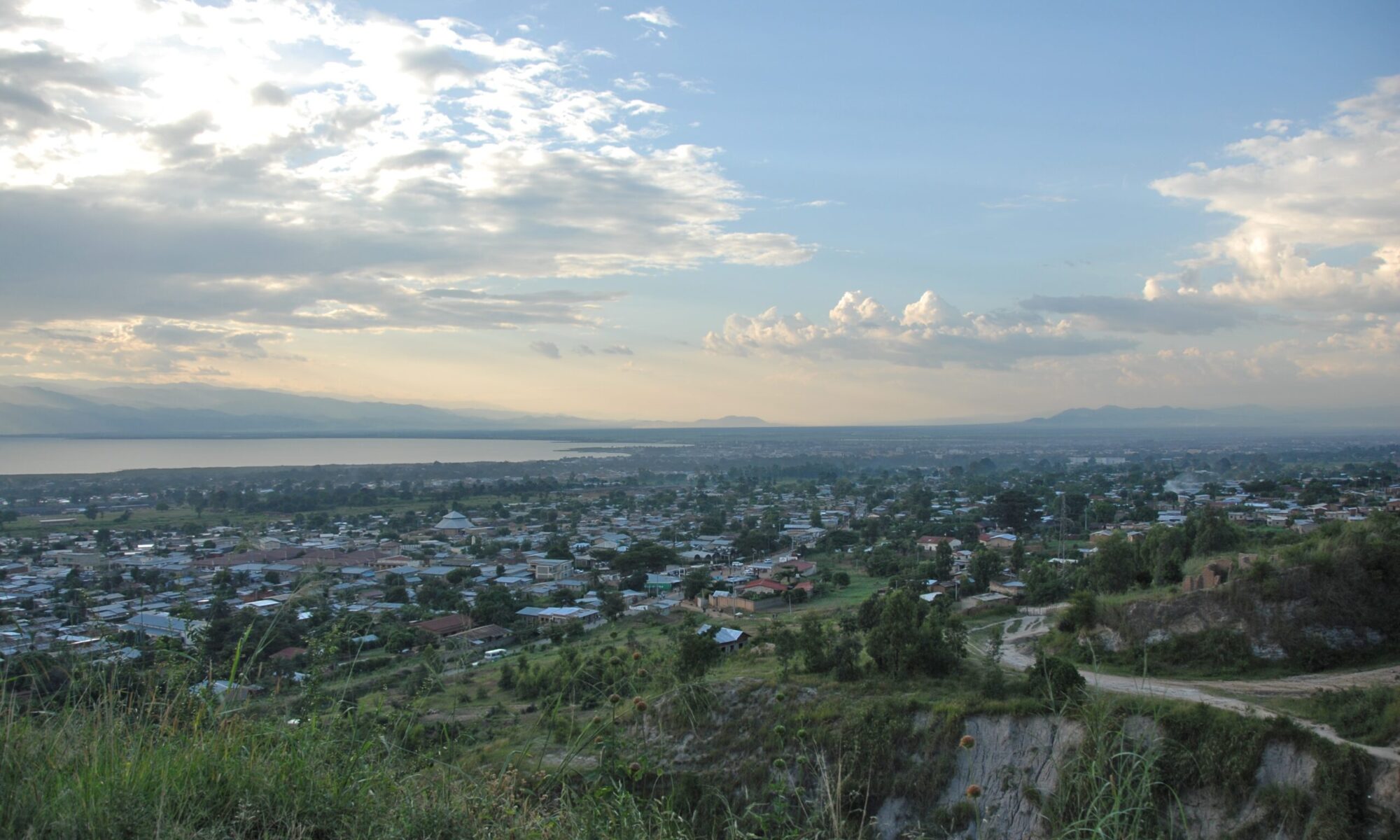
During a hybrid symposium, IOB colleagues brought together architects, social scientists, and natural scientists from Belgium and the DRC to examine construction practices and mineral supply chains in Bukavu. The collaboration, with partners such as CEGEMI, Université Catholique de Bukavu and KULeuven, explored how urban development, building materials, and extraction economies are intertwined. The initiative strengthened interdisciplinary cooperation and generated new insights into “development minerals” and local supply chains. See all research results here.
Resilient food systems and global governance
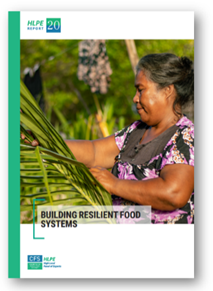
In 2025, Tomaso Ferrando contributed to the High Level Panel on Food Security and Nutrition, which brought out the report Building resilient food systems. The report highlights the need to shift from traditional resilience approaches, which focus on bouncing back to predisturbance conditions, to approaches aimed at “bouncing forward” by means of transformative changes that address structural and systemic vulnerabilities. In the article Time for a vision exam: diagnosing problems in the pursuit of equitably transformative resilience in food systems, published in Agroecology and Sustainable Food Systems, Tomaso and co-authors dig deeper into the concept of “Equitably Transformative Resilience”, arguing for deeper structural change in how food systems are governed.